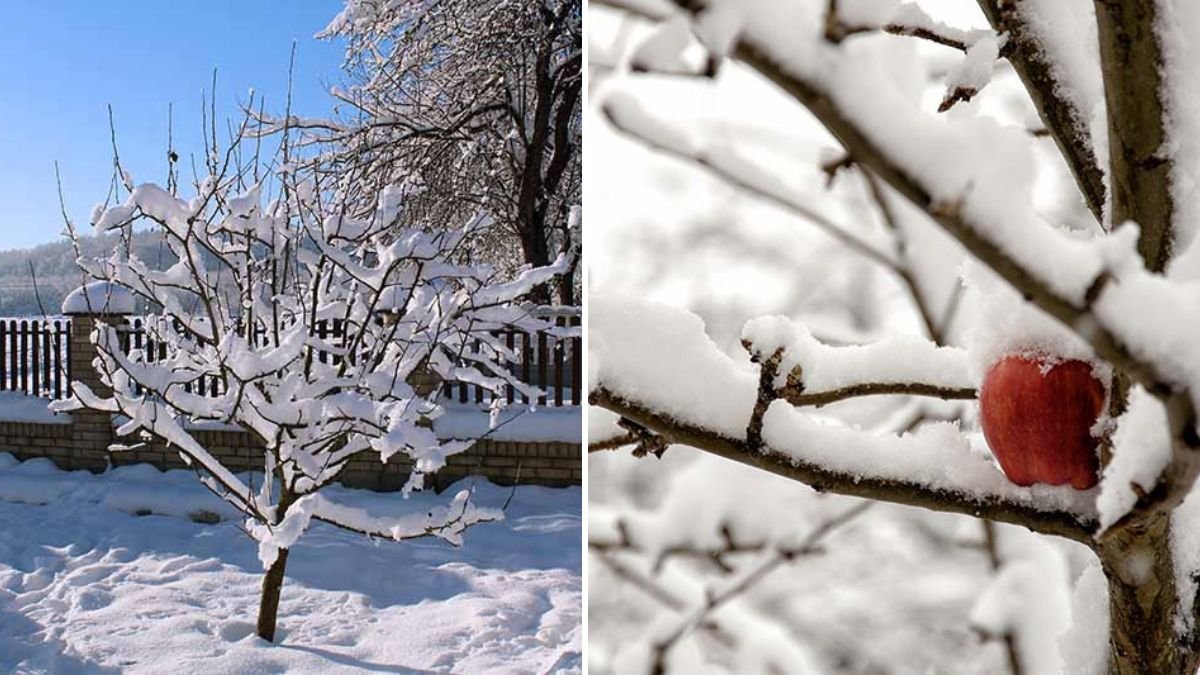
Growing snow apple trees (Malus domestica ‘Snow’) in Canada can be a rewarding endeavor for both novice and experienced gardeners. Not only do these trees provide beautiful blooms in spring, but they also yield delicious fruit in the fall. This guide encompasses everything you need to know about successfully cultivating snow apple trees in the diverse Canadian climate, addressing soil type, location, care, pests and diseases, and more.
Understanding Snow Apple Trees
Recognized for their crisp texture and sweet-tart flavor, snow apples are a traditional Canadian cultivar known for their cold hardiness. These trees are well-suited for Canada’s harsh winters while providing a productive yield.
Characteristics of Snow Apple Trees
- Height: Typically grow to about 10-15 feet.
- Shape: Round, spreading canopy.
- Fruit: Pale yellow with a slight red blush; ready for harvest in mid to late September.
- Hardiness Zone: Well-suited for Zones 3-5, making it ideal for most Canadian regions.
Selecting the Right Location
Sunlight Requirements
Snow apple trees thrive in full sun. Aim for a location that receives at least 6-8 hours of direct sunlight daily. This ensures optimal fruit production and overall tree health.
Soil Type
Snow apple trees prefer well-drained, loamy soils rich in organic matter. Here are steps to prepare your soil:

- pH Level: Aim for a pH range of 6.0 to 7.0. Conduct a soil test to determine the acidity or alkalinity of your soil.
- Drainage: If your soil retains too much moisture, consider raised beds or planting on a slope.
- Amending Soil: Incorporate compost or well-rotted manure to add nutrients and improve drainage.
Space Considerations
Snow apple trees should be spaced about 15 to 20 feet apart to ensure sufficient airflow and sunlight penetration. This also helps prevent the spreading of diseases.
Planting Snow Apple Trees
When to Plant
The best time to plant snow apple trees is in early spring or late fall when they remain dormant. This minimizes shock and allows the tree to establish roots before warmer weather arrives.
Planting Steps
- Digging the Hole: Create a hole that is twice as wide and deep as the root ball.
- Preparing the Tree: Remove the tree from its container gently, ensuring not to damage the roots. If the roots are circling, untangle them.
- Planting Depth: Position the tree in the center of the hole, ensuring the graft union (swelling where the tree was grafted) is just above soil level.
- Backfilling: Fill the hole with soil, firming it gently to remove air pockets, and water thoroughly.
- Mulching: Apply a 3-inch layer of mulch to conserve moisture and suppress weeds.
Care and Maintenance

Watering
During the initial years, it’s crucial to keep the soil consistently moist but not waterlogged. Deep watering is essential to encourage root growth. Once established, march towards deep but infrequent watering, typically once weekly during dry spells.
Fertilization
- Timing: Fertilize in early spring as new growth begins.
- Type: Use a balanced fertilizer, such as a 10-10-10 NPK mixture, to provide essential nutrients.
Pruning
Regular pruning helps maintain shape and health.
- When to Prune: Late winter or early spring before new growth starts.
- How to Prune: Remove dead, diseased, or crossing branches. Focus on maintaining an open center for air circulation.
Pest and Disease Management
Snow apple trees can be susceptible to certain pests and diseases:
-
Common Pests:

- Apple Maggot: Look for small, dark holes in fruit. Use traps or insecticides.
- Codling Moth: Infests the interior of the fruit. Pheromone traps can be effective.
-
Diseases:
- Powdery Mildew: Ensure good air circulation and consider applying fungicides if needed.
- Fire Blight: Prune affected areas immediately during dry weather.
Harvesting Snow Apples
When to Harvest
Snow apples are typically ready for harvest in mid to late September. Look for slightly yellowed fruit with a glossy appearance.
How to Harvest
Gently twist the apples off the branches, being careful not to damage the tree. Handle them with care to avoid bruising.
Storing Snow Apples
Store harvested apples in a cool, dark place. They can last for several weeks in a refrigerator or cool cellar.
Propagation

Snow apple trees can be propagated through grafting or by planting seeds. However, grafting is preferred to ensure the new trees inherit the desirable traits of the parent.
- Grafting: Takes place in late winter or early spring. Ensure to align the cambium layers for successful grafting.
- Seed Planting: Requires chilling the seeds for several months before planting in spring, but offspring may not bear fruit true to the parent.
Winter Protection
In colder regions, young trees require extra protection during severe winters:
- Mulching: Apply an extra layer of mulch around the base.
- Wraps: Consider using tree wraps to protect young bark from frost cracks.
Frequently Asked Questions (FAQs)
1. What climate is best for snow apple trees?
Snow apple trees thrive in Zones 3-5, making them suitable for most parts of Canada, provided they receive full sunlight and proper care.
2. How long does it take for a snow apple tree to bear fruit?
Typically, snow apple trees will start producing fruit in 3-5 years after planting, depending on care and environmental factors.
3. Can I grow snow apple trees in containers?

Yes, snow apple trees can be grown in large containers. Ensure proper watering, fertilization, and winter protection.
4. What pests should I be aware of when growing snow apple trees?
Common pests include the apple maggot and codling moth. Monitoring and pest management strategies can help protect your trees.
5. How can I tell if my snow apple tree is healthy?
A healthy snow apple tree should show vigorous growth, bright leaves, and, in season, blooming flowers and developing fruit. Signs of trouble include wilting leaves, pest infestations, or discolored fruit.
6. What should I do if my tree has signs of disease?
Promptly remove infected branches and treat with suitable fungicides or pesticides as necessary. Maintaining good airflow and proper watering can help prevent diseases.
7. Can snow apples be used for cooking?
Absolutely! Snow apples are versatile and can be used in desserts, applesauce, or simply pies, retaining their flavor and texture when cooked.
Conclusion
Growing snow apple trees in Canada is a gratifying process that can provide delicious fruit for generations. By understanding the specific requirements for soil, location, and care, you can cultivate healthy trees that thrive in the Canadian climate. With proper attention and care, your snow apple trees will reward you with bountiful harvests and beautiful blossoms each spring, contributing joy and flavor to your home. Happy gardening!