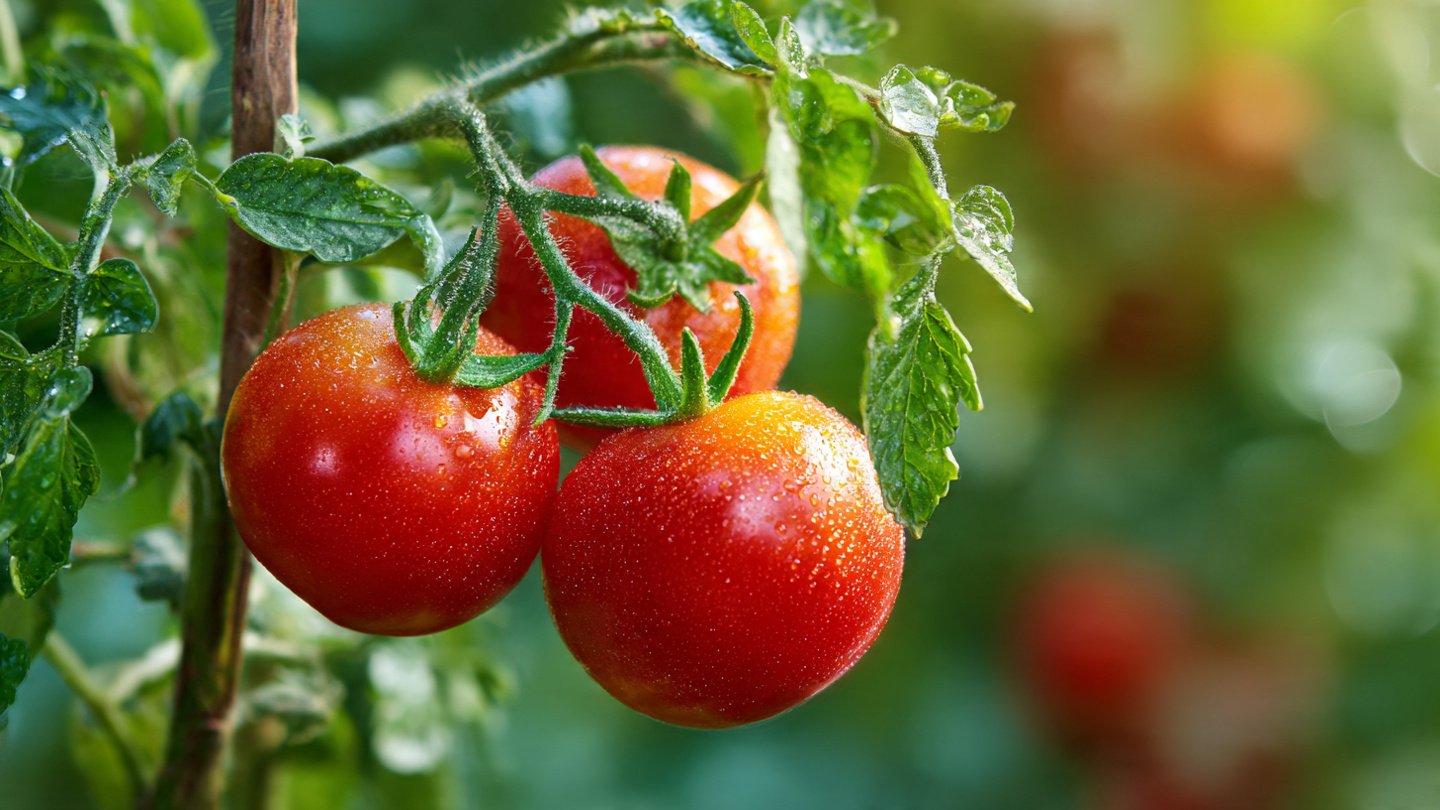
Growing tomatoes is a rewarding endeavor that offers a delicious payoff, particularly when you enjoy that first bite of a home-grown, juicy tomato. For home gardeners, grow bags provide an innovative solution to the traditional gardening dilemma of limited space and soil quality. This guide will take you through everything you need to know about successfully growing tomatoes in grow bags, ensuring a bountiful harvest.
Why Grow Tomatoes in Grow Bags?
1. Space Efficiency
Grow bags allow you to maximize your available gardening space. Whether you have a small patio, balcony, or a limited yard, grow bags can be set up virtually anywhere, including urban environments.
2. Soil Quality Control
With grow bags, you can choose the ideal soil mix for your tomatoes, ensuring they have the nutrients they need for growth. This is particularly important if you have poor or contaminated soil in your garden.
3. Improved Drainage
Grow bags are typically made of breathable fabric, allowing water to drain easily and preventing root rot. Good drainage is crucial for tomato plants, which are susceptible to excess moisture.
4. Temperature Regulation
The breathable nature of grow bags helps regulate soil temperature. This promotes healthy root growth and protects plants from extreme temperatures.

Selecting the Right Grow Bags
Size Matters
Tomatoes typically require a lot of root space. For most varieties, a grow bag of at least 5 gallons is recommended. Larger varieties, such as beefsteak tomatoes, may need bags of 10 gallons or more.
Material
Grow bags come in various materials, including felt, plastic, and biodegradable options. Felt bags are popular for their breathability and insulation. Plastic bags may retain moisture but could also lead to overheating if placed in full sun.
Color
While most grow bags are dark-colored, which absorbs heat, consider your local climate when selecting. In hotter climates, lighter-colored bags may be preferable to prevent overheating roots.
Preparing Your Grow Bags
1. Choose the Right Soil
Opt for a high-quality potting mix specifically formulated for vegetables. Look for mixes that blend peat moss, vermiculite, and organic matter. Avoid garden soil, as it can compact in bags and lead to poor drainage.
2. Fill the Bag
Fill your grow bag with soil, leaving about an inch from the top edge. This extra space helps catch water during watering sessions, preventing overflow.

3. Fertilization
Tomatoes are heavy feeders, requiring plenty of nutrients. Before planting, mix in a slow-release balanced fertilizer (like a 10-10-10) into the soil, adhering to the manufacturer’s instructions.
Choosing the Right Tomato Varieties
Determinate vs. Indeterminate
- Determinate Tomatoes: These varieties grow to a certain height and produce fruit all at once, making them ideal for small spaces. They don’t require much staking.
- Indeterminate Tomatoes: These continue to grow and produce fruit throughout the season, needing support as they can grow tall and sprawling.
Popular Tomato Varieties for Grow Bags
- Cherry Tomatoes (e.g., Sweet 100 or Sun Gold): Perfect for snacking and very productive.
- Patio Tomatoes: Specifically bred for container growth, they thrive in smaller spaces.
- Early Girl: A classic, early-producing variety suited for shorter growing seasons.
Planting Your Tomatoes
1. Timing
Tomatoes are warm-season plants. Wait until after the last frost date in your area to plant tomatoes outdoors, or start seeds indoors to get a head start.
2. Planting Technique
- Create a small hole in the soil and gently place the seedling in it, burying part of the stem to promote rooting.
- Water the plants lightly right after planting to help settle the soil.
3. Spacing
If you’re using larger grow bags, you can plant one tomato per bag. If using smaller bags, ensure you space plants according to their variety, usually about 18-24 inches apart.
Care and Maintenance
Watering
Consistent watering is vital. Tomato plants require 1-2 inches of water per week. Use the finger test: if the top inch of soil is dry, it’s time to water. Avoid overwatering, as this can lead to root rot.
Fertilizing
Replenish nutrients with a balanced liquid fertilizer every 3-4 weeks after the initial slow-release fertilizer wears off. Be mindful not to over-fertilize, as this can lead to lush foliage but few fruits.

Staking and Support
Indeterminate varieties require support to grow upright, so use stakes, cages, or trellises. Install these early to avoid disturbing the roots later.
Pruning
Regular pruning encourages better air circulation and sunlight penetration. Remove suckers that grow between the main stem and branches, typically in the lower parts of the plant.
Dealing with Pests and Diseases
Common Tomato Pests
- Aphids: Small green or black pests that can be removed with a strong stream of water.
- Whiteflies: Treat with insecticidal soap or neem oil.
- Spider Mites: Often cause stippling on leaves. Increase humidity around plants to deter them.
Common Diseases
- Blossom End Rot: A calcium deficiency, usually related to watering inconsistencies. Ensure regular watering and consider calcium supplements.
- Fungal Infections: Maintain good airflow around plants and avoid wetting the foliage during watering.
Harvesting Your Tomatoes
Signs of Ripeness
Look for vibrant color and a slight give when you gently squeeze the tomato. Harvest tomatoes when they’re fully colored but still firm for the best flavor.
Picking Technique
Twist gently to remove tomatoes without damaging the stem. Regular picking encourages more fruit production.
Frequently Asked Questions (FAQs)
1. Can I reuse grow bags for multiple seasons?
Yes, but ensure they are cleaned well to prevent disease. Consider replacing the soil each season for optimum plant health.
2. What is the best way to water my tomatoes in grow bags?
Water should be consistent and thorough. Consider drip irrigation systems or self-watering bags for convenience, especially during hot months.
3. How many tomatoes can I grow in one bag?
Typically, one plant per bag is best, especially for larger varieties. Smaller varieties might allow for two plants in a larger grow bag.
4. What should I do if my tomatoes are not producing fruit?
Check for adequate sunlight (at least 6-8 hours per day), ensure consistent watering, and consider the fertility of the soil. Excessive nitrogen can result in lush foliage but limited fruit production.
5. How do I store my harvested tomatoes?
Store ripe tomatoes at room temperature away from direct sunlight. Use the refrigerator only for overripe tomatoes to prolong their lifespan.
6. Do I need to acclimate my tomato plants before moving them outdoors?
Yes, it’s essential to “harden off” plants by gradually introducing them to outdoor conditions over a week or two before planting them in grow bags outside.
Conclusion
Growing juicy tomatoes in grow bags is an accessible and rewarding way to enjoy home gardening. By following this guide, you’ll be well on your way to enjoying a bountiful harvest of delicious tomatoes all summer long. Happy gardening!