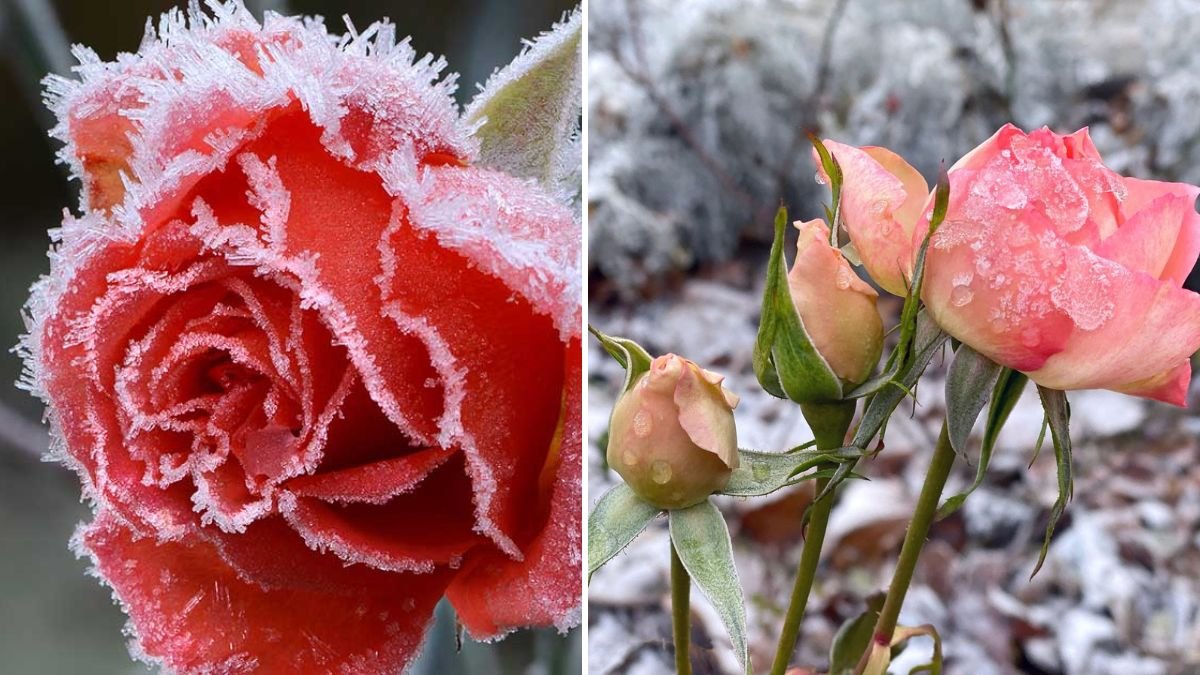
Roses are often viewed as the quintessential symbol of beauty and romance, but their cultivation can be particularly challenging, especially during the cold winter months. With proper care, however, roses can thrive even in chilly conditions. This article will explore various strategies for successfully growing roses during the winter, ensuring that they blossom beautifully in the spring.
Understanding the Challenges of Winter
Before delving into tips and tricks for growing roses in winter, it’s essential to understand the challenges they face during this season:
- Frost and Freeze: Exposure to frost can damage delicate rose buds and leaves, leading to a stunted growth or complete loss of plant health.
- Water and Humidity Levels: Cold temperatures can lead to frozen soils, affecting water availability for the roots. Additionally, dry winter air can stress the plants.
- Wind Exposure: Cold winds can desiccate rose bushes, particularly those that are not adequately protected.
Preparing Your Roses for Winter
Preparation is key to ensuring your roses remain healthy throughout the winter. Here are some steps to take before the cold sets in:
-
Pruning: Late fall is a good time to prune your roses to encourage healthy growth in the spring. However, be cautious not to over-prune; only remove dead or diseased wood and old blooms.

-
Feeding: Fertilize your roses in early fall with a slow-release fertilizer. This provides essential nutrients that promote root health and resilience to winter temperatures.
-
Mulching: Apply a layer of organic mulch (such as shredded bark or wood chips) around the base of the plants. Mulching helps regulate soil temperature, retains moisture, and provides additional insulation against freezing temperatures.
-
Watering: Ensure your roses are well-watered before going dormant. Hydrated roots are less susceptible to freezing, which helps maintain plant health throughout the winter.
Winter Protection Strategies
Once your roses are prepared for winter, consider the following strategies for additional protection:
-
Wrapping: Use burlap or plant blankets to wrap the plants, creating a barrier against frost and wind. Be sure to allow for some ventilation to prevent mold growth.
-
Mini Greenhouses: For those in extremely cold climates, consider building a mini greenhouse around your rose bushes. This can help trap heat and retain moisture.
-
Use Horticultural Fleece: If you live in an area with severe winters, invest in horticultural fleece. This material can effectively insulate your roses while allowing light and moisture to penetrate.
-
Cover the Roots: For hybrid roses and sensitive varieties, consider covering the base with straw or leaves. This provides insulation to the roots without restricting airflow.
-
Containers: If you grow roses in pots, move them to a protected area such as a garage or shed. This avoids direct exposure to harsh temperatures while still providing light.

Monitoring Winter Conditions
Even with precautions in place, keeping an eye on the weather and your roses is vital during winter months.
-
Check Soil Moisture: Inspect the soil periodically to ensure that it doesn’t dry out completely. Watering in winter may be less frequent, but it is still crucial.
-
Inspect for Pests and Diseases: Occasionally, inspect your roses for any signs of pests or diseases. While many insects die off in winter, some may survive and affect your plants.
-
Remove Debris: Clean up any fallen leaves or debris around the roses. This helps prevent diseases and pests from taking up residence near your plants.

Preparing for Spring
As winter begins to wane and spring arrives, you’ll want to transition your roses back into their active growing state:
-
Remove Protective Covers: Slowly remove any protective wraps or winter coverings, allowing the plant to acclimate to warmer temperatures gradually.
-
Assess Damage: Take a careful look at your roses to assess any winter damage. Trim back any dead or diseased wood to promote healthy growth.
-
Fertilizing and Watering: Once you see signs of new growth (like budding leaves), it’s time to reintroduce fertilizer and establish a regular watering schedule to support the new growth phase.
Tips for Specific Rose Varieties
Different types of roses may have varying requirements during winter. Here’s a quick guide for specific varieties:
- Hybrid Tea Roses: These are more sensitive to cold. Consider wrapping them in burlap and applying a thick layer of mulch.
- Floribunda Roses: These are generally hardier but should still have the base protected with mulch.
- Climbing Roses: Secure canes to prevent breakage during winter storms. They may also benefit from wrapping.
- Wild Roses: These varieties usually require the least amount of intervention due to their resilience, although proper mulching is still beneficial.

Common Mistakes to Avoid
While attempting to protect your roses, be mindful of these common pitfalls:
- Over-Pruning: Excessive pruning increases the risk of damage from frost. Stick to necessary cuts to maintain the plant’s structure.
- Inadequate Watering: Avoid allowing soil to dry out, especially right before winter.
- Ignoring Varietal Differences: Not all roses require the same level of winter care. Familiarize yourself with your specific varieties for best results.
- Insufficient Coverage: Be cautious not to let the plants become overly exposed during harsh weather. Coverage should balance adequate airflow with insulation.
Final Thoughts
Growing roses during the cold winter months presents its challenges, but with strategic preparation and care, your roses can flourish. By understanding the unique needs of your plants and implementing protective measures, you can ensure that they survive winter and thrive in the warmer months ahead.

FAQs
Q1: When should I start preparing my roses for winter?
A: Begin preparations in late fall, ideally before the first frost. This includes pruning, feeding, and mulching.
Q2: How can I tell if my roses need water during winter?
A: Check the soil moisture level by digging down a few inches. If it feels dry, it’s time to water your roses.
Q3: What kind of mulch is best for winter protection?
A: Organic mulches, such as shredded bark, straw, or pine needles, are excellent choices as they provide insulation and retain moisture.
Q4: How do I know if my roses are damaged by winter conditions?
A: Inspect for dead or blackened stems and leaves in spring. Soft, mushy areas may indicate rot or disease.
Q5: Can I keep potted roses outside during winter?
A: It’s best to move potted roses to a sheltered area or indoors to protect them from harsh winter conditions.
By following these guidelines, you can successfully grow roses during the cold winter months, ensuring they come back even more vibrant in the spring.