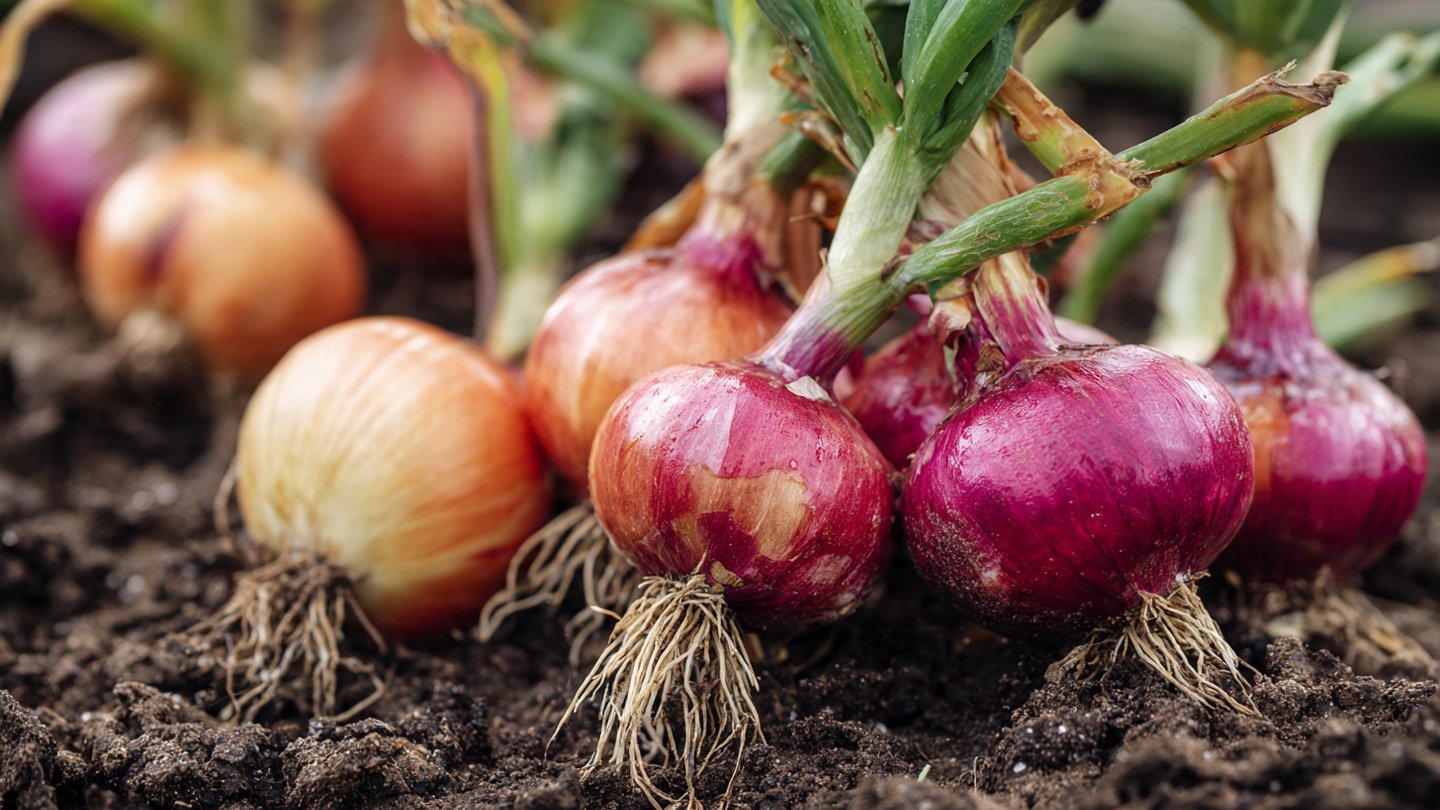
Growing onions from bulbs is a rewarding and relatively easy horticultural endeavor, whether you’re a seasoned gardener or a beginner eager to try your hand at growing your own produce. Onions are a staple in many kitchens, lending flavor to a variety of dishes and offering numerous health benefits. This comprehensive guide will cover everything you need to know about growing onions from bulbs, covering soil preparation, planting techniques, care, and harvesting. We’ll also address some frequently asked questions to equip you with all the knowledge you’ll need for a successful onion harvest.
1. Understanding Onion Types
Before you get started, it’s essential to understand the different types of onions available. They can generally be categorized into three primary varieties:
a. Yellow Onions
These are the most commonly grown onions and have a strong flavor. They are versatile and great for cooking, making them a popular choice.
b. Red Onions
Red onions are milder and slightly sweet. They’re often used raw in salads or salsas for added color and crunch.
c. White Onions
These are milder than yellow onions and are commonly used in Mexican cuisine. They have a papery skin and a crisp texture.
Additionally, onions can be classified based on their growth cycle into:
- Short-day: Best for southern regions, these onions begin forming bulbs when daylight hours are around 10 to 12 hours.
- Long-day: Ideal for northern climates, they require 14 to 16 hours of daylight to start bulb formation.
- Intermediate-day: These can grow in areas with transitional daylight hours.

2. Selecting the Right Bulbs
Once you know what type of onion you want to grow, selecting the right bulbs is crucial. Look for:
- Healthy bulbs: Choose firm, unblemished bulbs. Avoid those with soft spots or mold.
- Size matters: Smaller bulbs tend to establish better in the ground. Aim for bulbs that are 1-1.5 inches in diameter.
- Local availability: Opt for bulbs that are well-suited to your local climate.
3. Preparing the Soil
Onions thrive in well-draining, fertile soil with a neutral pH (between 6.0 and 7.0). Follow these steps to prepare your planting area:
a. Location
Choose a sunny spot in your garden where onions can receive at least 6 to 8 hours of sunlight daily.
b. Soil Testing
Conduct a soil test, which can be done easily via your local agricultural extension office or with home kits available at garden centers. Amend the soil based on the test results.
c. Enriching the Soil
Incorporate compost or well-rotted manure into the soil at least two weeks before planting. This not only enhances fertility but also improves soil structure.
d. Tilling
Loosen the soil to a depth of at least 12 inches to allow the bulbs to grow freely.

4. Planting Onions
Now that the soil is prepared, it’s time to plant your bulbs. Here’s how:
a. Timing
Depending on your region, onions should generally be planted in early spring as soon as the soil is workable. In warmer climates, fall planting is also an option.
b. Planting Depth and Spacing
Plant bulbs 1-2 inches deep, with their pointed ends facing up. Space them about 4-6 inches apart in rows that are 12-18 inches apart. This allows sufficient space for each bulb to grow without crowding.
c. Watering
After planting, water the bulbs thoroughly but avoid overwatering, as soggy soil can cause rot.
5. Caring for Your Onions
Onion care is relatively straightforward but requires consistent effort. Here are essential tips:
a. Watering
Onions need about an inch of water per week, especially during dry spells. Be sure to water deeply to encourage the roots to grow.
b. Fertilizing
Apply a balanced fertilizer (like a 10-10-10 nutrient mix) a few weeks after planting. Follow with another application mid-season. Avoid high-nitrogen fertilizers, as they can lead to more foliage growth than bulb development.

c. Weeding
Regular weeding is crucial, as weeds compete for nutrients. Mulching can help suppress weed growth, maintain soil moisture, and regulate temperature.
d. Pest Management
Keep an eye out for pests like onion flies and thrips. Use organic pesticides or insecticidal soap as needed and practice crop rotation annually to manage pests more effectively.
e. Disease Prevention
Common onion diseases include downy mildew and onion rot. Maintain good air circulation, avoid overhead watering, and practice crop rotation to minimize risks.
6. Harvesting Onions
Knowing when and how to harvest is essential for ensuring a successful onion crop.
a. Signs of Readiness
Onions are usually ready for harvest when the green tops start to yellow and fall over. For larger onions, this may happen later.
b. Harvesting Technique
Use a garden fork or shovel to carefully lift the bulbs from the ground. Avoid pulling them by the greens to prevent damage.
c. Drying
After harvesting, let your onions dry in a shaded, ventilated area for 2-3 weeks. This helps to cure them and enhances their storage life.

d. Storing
Once dried, trim the tops and store your onions in a cool, dry, and dark place. Avoid storing them in plastic bags; instead, use mesh bags or crates for optimum airflow.
7. Troubleshooting Common Problems
a. Small Bulbs
If your onions are too small, it might be due to inadequate watering, poor soil fertility, or planting too close together.
b. Rotted Bulbs
Most often caused by overwatering or poor drainage, ensure that the bulbs are planted in well-drained soil and adjust your watering accordingly.
c. Pests and Diseases
Monitor your plants regularly and act quickly if you see signs of pest infestation or disease. Early intervention can save your crop.
FAQs
1. When is the best time to plant onion bulbs?
Onion bulbs should typically be planted in early spring or, depending on your region, in the fall.
2. How often should I water onion plants?
Onion plants need about an inch of water per week. Adjust this based on rainfall and soil conditions.

3. Can onions be grown in containers?
Yes, onions can be grown in containers, provided the pot is at least 12 inches deep and has good drainage.
4. What should I do if my onions are rotting?
Inspect your watering practices and ensure your soil drains well. Remove any affected bulbs to prevent spreading.
5. Can I use onion sets instead of bulbs?
Yes, onion sets are small, immature onions that can be planted as well. They often produce a good harvest.
6. Do onions need full sunlight?
Yes, onions thrive best in areas that receive at least 6-8 hours of direct sunlight each day.
7. How can I extend the storage life of my onions?
Ensure that they are thoroughly dried and stored in a cool, dark, and ventilated area. Check regularly for any signs of spoilage.
Conclusion
Growing onions from bulbs is a gratifying and straightforward process that can yield a fantastic harvest. Whether you are growing them for personal use or as an introduction to gardening, following the steps outlined in this guide will ensure that both beginners and experienced gardeners alike can enjoy the process. With patience and the right care, you’ll find that nurturing these versatile bulbs will not only enhance your culinary experiences but also give you a sense of accomplishment in your gardening journey. Happy gardening!