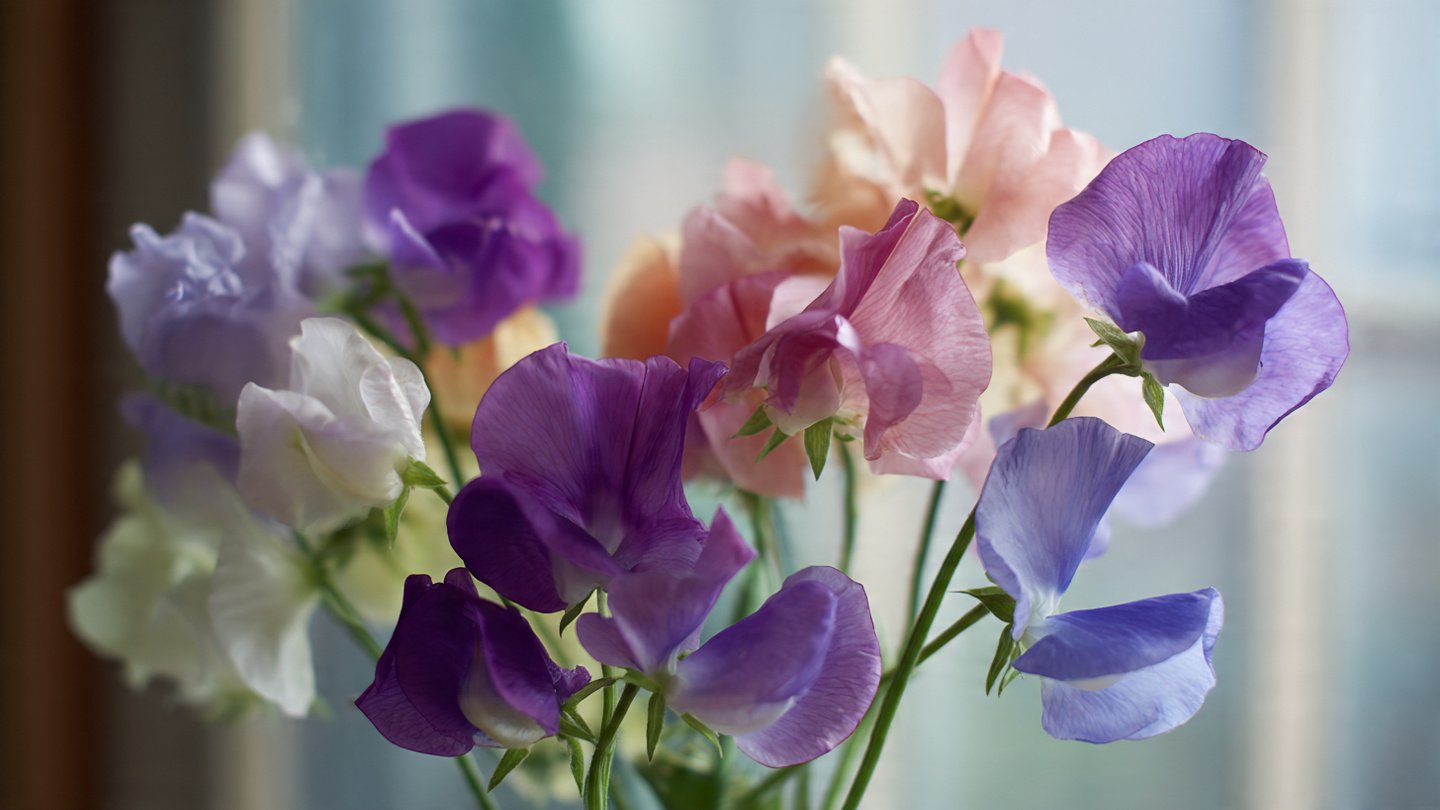
Sweet peas (Lathyrus odoratus) are cherished for their delightful fragrance and vibrant colors, making them a popular choice among gardeners. While these charming blooms are often grown in outdoor gardens, cultivating sweet peas indoors can yield beautiful results year-round. This guide will provide you with everything you need to know to successfully grow indoor sweet pea flowers.
Understanding Sweet Peas
Origins and Characteristics
Sweet peas are native to the Mediterranean region and have been beloved for centuries due to their sweet scent, climbing habit, and colorful flowers. They belong to the legume family and are often found in shades of pink, purple, white, and even blue.
Growth Habit
Sweet peas are climbing plants that benefit from support structures like trellises or stakes. They can be grown as annuals or perennials, depending on the climate; however, indoor cultivation generally focuses on their annual growth.
Selecting the Right Seeds
Choosing the right sweet pea variety is crucial. There are several types, including:
- Single-flower varieties: Feature a single bloom per stem and are typically fragrant.
- Doubles or semi-doubles: Have multiple layers of petals.
- Grandifloras: Large flowers on long stems, ideal for cutting.
When selecting seeds, consider your space, the fragrance you desire, and the colors you’d like to incorporate.

When to Plant
Indoor sweet peas can be sown at any time of the year, but for optimal growth, consider planting them:
- In Fall: To enjoy blooms during the winter months.
- In Late Winter: For a spring display.
- In Early Spring: For summer blooms.
Preparing for Planting
Containers
Selecting the right container is essential for successful growth. Choose pots that are at least 10-12 inches deep, with good drainage holes. Clay pots are excellent for ventilation but ensure they are water-resistant.
Soil Mix
Sweet peas enjoy well-draining, nutrient-rich soil. A mixture of potting soil and compost works well. Consider adding perlite or vermiculite to improve aeration and drainage.
Fertilization
When preparing your soil, incorporate a balanced fertilizer, perhaps with a 10-10-10 NPK ratio, to promote healthy growth.

Sowing Seeds
Seed Preparation
To enhance germination, soak the seeds in water for 24 hours before planting. This step helps to soften the seed coat and stimulates growth.
Planting Instructions
- Fill your container with the soil mix and make small depressions about 1-2 inches deep.
- Place 2-3 seeds in each depression, spacing them 3-4 inches apart.
- Cover the seeds lightly with soil and water gently to avoid disturbing them.
Providing Optimal Growing Conditions
Light Requirements
Sweet peas thrive in bright, indirect sunlight. Ideally, they need at least 6-8 hours of light per day. If natural sunlight is limited, consider using grow lights.
Temperature and Humidity
Sweet peas enjoy moderate temperatures. Aim for 60-70°F (15-21°C) during the day and a little cooler at night. Maintain humidity levels around 50-70%, as sweet peas enjoy a bit of moisture in the air.
Watering
Watering is crucial; however, avoid overwatering. The soil should be kept consistently moist but not soggy. Allow the top inch of soil to dry between waterings.

Support Structures
As sweet peas are climbers, provide support through stakes or a trellis. This assists them in climbing and improves airflow around the plants.
Pruning and Maintenance
Pinching Off
Once your plants reach about 6 inches in height, pinch off the growing tips to encourage bushier growth and more blooms.
Deadheading
Regularly deadhead (remove spent flowers) to promote additional blooms and prolong the flowering season.
Pest and Disease Management
Indoor plants can still be susceptible to pests such as aphids, spider mites, and whiteflies. Monitor your sweet peas regularly, and if you notice infestations, remove them by hand or apply insecticidal soap.
Common diseases include root rot and powdery mildew. Ensure proper watering techniques and good air circulation to prevent these issues.
Harvesting Sweet Peas
As flowers bloom, you can enjoy them indoors or cut them for arrangements. Use sharp scissors to cut stems gently, ensuring you leave enough foliage for the plant to continue thriving.
Extending the Blooming Season
To keep your sweet peas blooming longer, consider planting seeds successively every few weeks. This method encourages a staggered blooming period, providing you with sweet peas throughout the year.
Troubleshooting Common Issues
Yellowing Leaves
If your sweet peas’ leaves are turning yellow, it could be a sign of overwatering or nutrient deficiency. Adjust watering practices and consider applying a when needed.
Wilting Plants
Wilting can be attributed to underwatering or exposure to high temperatures. Check soil moisture levels and ensure your plants are not exposed to direct, harsh sunlight.
FAQs
1. Can sweet peas grow indoors all year round?
Yes, sweet peas can be grown indoors year-round with the right care and conditions, including adequate sunlight and moderate temperatures.
2. How much light do indoor sweet peas need?
Sweet peas require 6-8 hours of bright, indirect sunlight daily. If this is unavailable, consider using grow lights.
3. What is the ideal temperature for growing sweet peas indoors?
Sweet peas thrive in temperatures between 60-70°F (15-21°C) during the day and slightly cooler at night.
4. How do I prevent pests and diseases on my indoor sweet peas?
Regularly inspect your plants for pests and signs of disease. Ensure good air circulation and proper watering to minimize risks. Use insecticidal soap for pest issues.
5. Can I grow sweet peas from store-bought flowers?
While it’s technically possible to grow sweet peas from cut flowers, it’s best to sow seeds specifically bred for growing. Store-bought flowers may not produce the desired results.
6. When should I fertilize my sweet peas?
Fertilize your sweet peas when planting and use a balanced fertilizer every 4-6 weeks during their growing season.
7. How do I encourage more blooms on my indoor sweet peas?
Regular deadheading and pinching off growing tips encourages bushier plants and more blooms.
Growing indoor sweet pea flowers is a rewarding endeavor, providing not just beauty but also fragrance and joy throughout the year. With the right preparation, care, and attention, you can transform your indoor space into a lovely garden of sweet scents. Happy gardening!