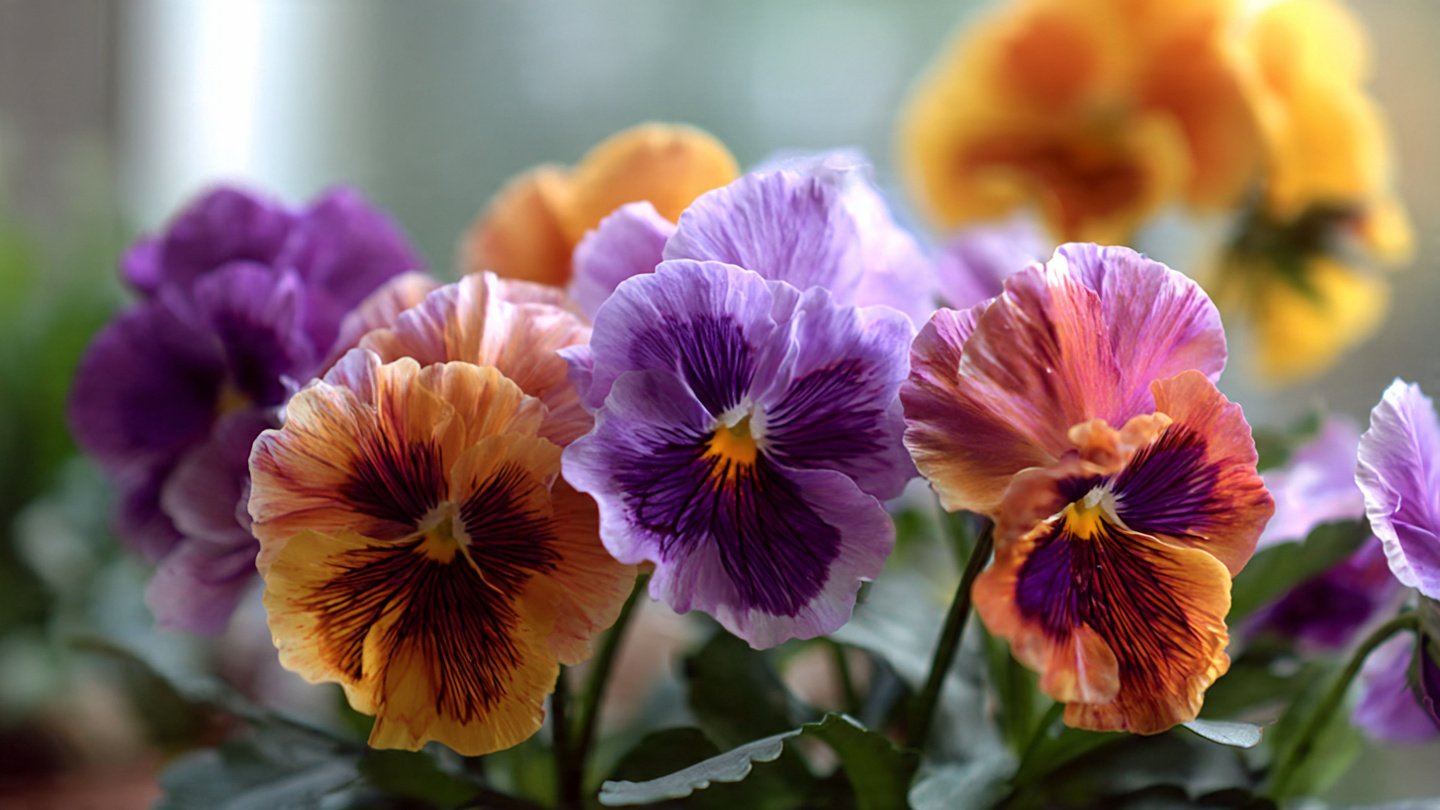
The Ultimate Guide to Successfully Growing Indoor Pansies for Vibrant Colorful Blooms Year-Round
Pansies, with their delicate petals and vibrant colors, are a beloved choice for indoor gardening enthusiasts. Their unique heart shape and cheerful disposition can brighten any space, making them perfect for year-round indoor displays. This guide will explore everything you need to know about cultivating these delightful flowers indoors, covering everything from selection and planting to care and troubleshooting common issues.
Understanding Pansies
Botanical Background
Pansies (Viola × wittrockiana) are hybrids developed from several Viola species. They belong to the Violaceae family and are well-known for their broad range of colors, including purple, yellow, blue, and white. They feature a unique ‘face’ pattern that adds to their charm, making them a popular choice among floral enthusiasts.
Indoor vs. Outdoor Growing
While pansies can thrive outdoors, growing them indoors presents unique challenges and advantages. Indoor pansies can bloom earlier than outdoor varieties due to controlled conditions. They are less prone to pests and diseases found in the garden, allowing for a more manageable growing experience.
Selecting the Right Varieties
When choosing pansy varieties for indoor growth, consider colors, petal patterns, and growth habits. Some popular indoor varieties include:
-
Cool Wave Pansies: These varieties are known for their trailing growth habit, making them great for hanging baskets.
-
Matrix Pansies: With their vibrant colors and sturdy stems, Matrix pansies are perfect for containers.
-
Famous Pansies: These are recognized for their unique color combinations and large blooms, offering a dramatic aesthetic indoors.

Growing Conditions
1. Lighting Requirements
Pansies thrive in bright, indirect sunlight. Aim for:
- Location: Place them near windows that receive 4-6 hours of light daily.
- Supplemental Lighting: Consider using grow lights for insufficient natural light, particularly in winter months.
2. Temperature and Humidity
Pansies prefer moderate temperatures:
- Optimal Temperature: Maintain temperatures between 60°F to 70°F (15°C to 21°C).
- Humidity: Indoor pansies prefer a humidity level of 40-60%. Use a humidifier if necessary.
3. Soil Requirements
Choose well-draining potting soil rich in organic matter. A mixture of peat moss, vermiculite, and compost is ideal. Good drainage prevents root rot and other moisture-related issues.
Planting Pansies Indoors
1. Pot Selection
Select pots with drainage holes to ensure excess water escapes. Terra cotta pots are excellent as they provide breathability.
2. Planting Process
-
Fill the Pot: Add soil, leaving about an inch of space from the rim.
-
Make a Hole: Form a small crater in the center of the pot.
-
Planting: Remove the pansy from its nursery container and place it in the hole. Fill around the sides with soil and gently pat down.
-
Watering: Water thoroughly until it drains from the bottom.

Care Techniques
1. Watering Guidelines
- Frequency: Water when the top inch of soil feels dry to the touch. This can vary from 3 to 7 days based on humidity and temperature.
- Method: Water thoroughly, ensuring excess drains to avoid soggy roots.
2. Fertilization
Pansies are light feeders. Use a balanced, water-soluble fertilizer every 4-6 weeks during the growing season. A diluted liquid fertilizer (half strength) works well.
3. Pruning and Deadheading
- Pruning: Regularly pruning back leggy growth will encourage a bushier appearance.
- Deadheading: Remove spent blooms regularly to promote new growth and prolong flowering.
4. Pest Management
Indoor pansies are less vulnerable to outdoor pests, but issues can still arise. Common pests in indoor settings include:

- Aphids: Clustered on leaves, they weaken plants by sucking sap. Use insecticidal soap or neem oil for control.
- Spider Mites: Indicated by fine webbing, they thrive in dry conditions. Increase humidity and regularly mist plants to deter them.
5. Problem Solving
Common Issues and Solutions:
- Leaf Yellowing: Can indicate overwatering or nutrient deficiency. Check the soil moisture and consider a fertilizer boost.
- Stunted Growth: Transport shock or insufficient light may be the cause. Gradually acclimate your pansies to new conditions and ensure adequate light.
Seasonal Care
Pansies are cool-weather plants, but with the right care, they can bloom year-round indoors.
- Winter Care: Ensure they receive ample light and consider a temperature drop at night to mimic natural conditions.
- Summer Care: Pansies may slow down in summer heat; provide sufficient air circulation and some shade during extreme temperatures.
Propagation Techniques
For those interested in propagation, pansies can be grown from seeds or cuttings.
1. Growing from Seeds
- Start seeds indoors 8-10 weeks before the last frost.
- Sow seeds on the surface of moist soil and cover lightly with soil.
- Provide warmth and light to ensure germination.

2. Propagation from Cuttings
- Take 3-4 inch cuttings from healthy plants in the spring.
- Place them in a moist rooting medium and cover with a plastic bag to maintain humidity.
- Once roots develop, transfer to pots.
Creating a Beautiful Indoor Display
To enhance your indoor space, consider incorporating pansies into mixed arrangements:
- Companion Plants: Pair pansies with other cool-weather annuals like snapdragons, violas, and ornamental kale for a vibrant display.
- Container Design: Use varying pot heights and shapes to create visual interest.
Conclusion
Indoor pansies offer vibrant color and beauty year-round, bringing joy to any space. With the right lighting, soil, and care practices, you can successfully cultivate these lovely blooms, enhancing your indoor environment. Embrace the art of indoor gardening and enjoy the breathtaking display that pansies can bring into your home.
FAQs
1. Can I keep pansies indoors all year?
Yes, with proper care, pansies can thrive indoors throughout the year. Just ensure they receive adequate light and temperature control.
2. How often should I water my indoor pansies?

Water when the top inch of soil feels dry, typically every 3 to 7 days, depending on indoor conditions.
3. Do pansies need fertilizer?
Yes, providing a balanced, water-soluble fertilizer every 4-6 weeks helps support healthy growth and blooming.
4. Why are my pansies not blooming?
Insufficient light, overwatering, or nutrient deficiencies can hinder blooming. Ensure they receive enough light and check moisture levels.
5. How can I prevent pests on indoor pansies?
Regularly monitor your plants for any signs of pests, maintain proper humidity levels, and use insecticidal soap or neem oil when needed.
6. What are the ideal temperatures for indoor pansies?
Pansies prefer temperatures between 60°F to 70°F (15°C to 21°C) for optimal growth and blooming.
Growing your indoor pansies can be a rewarding experience, enriching your space with natural beauty and vibrant colors. Happy gardening!