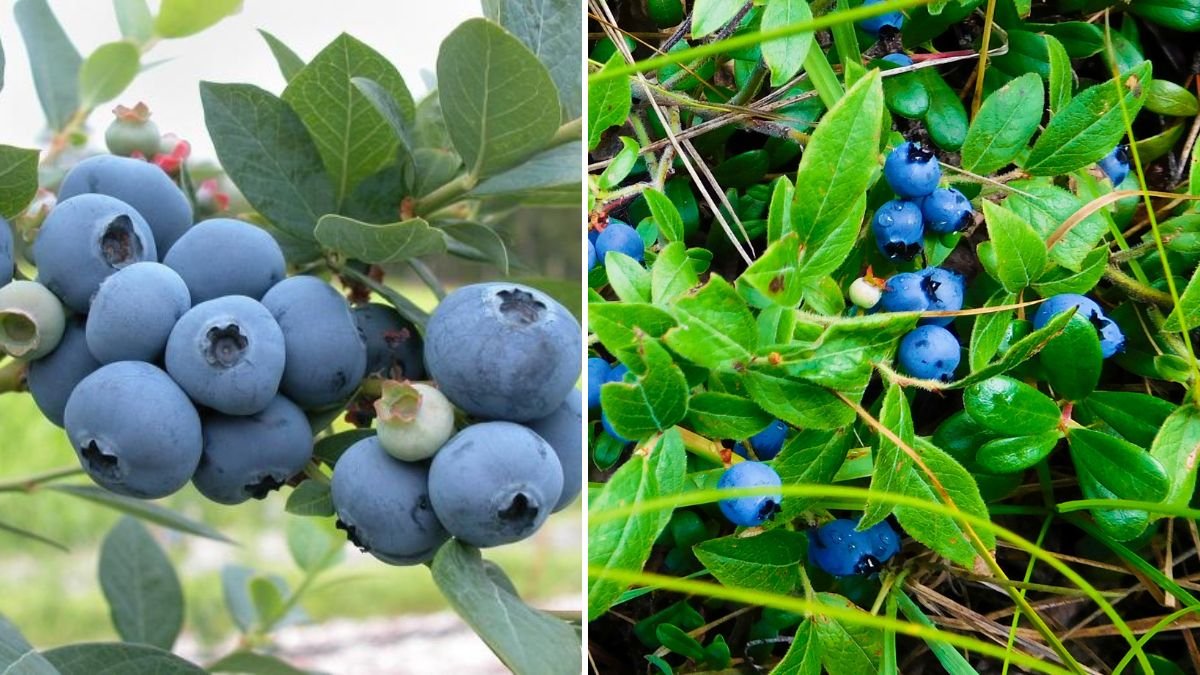
Blueberries, especially highbush varieties, are not only delicious but also packed with antioxidants and vitamins. Growing them in containers is a foolproof way to enjoy fresh blueberries, particularly for those who have limited space or poor garden soil. This ultimate guide will take you through the essential steps, tips, and techniques for successfully growing highbush blueberries in containers.
Why Choose Highbush Blueberries?
Highbush blueberries (Vaccinium corymbosum) are more suitable for container growth compared to lowbush varieties. They yield larger fruit, grow taller (up to 6 feet), and are more productive. They’re also adaptable to various climates, making them a popular choice, whether you’re growing them on a balcony, patio, or in a garden.
Choosing the Right Container
When selecting a container, consider the following factors:
Size
Highbush blueberries require ample space to thrive. Choose a pot that is at least 18 to 24 inches in diameter and depth. Larger pots allow for root expansion and better moisture retention.
Material
Containers made from plastic, ceramic, or wood are suitable. Ensure that they have adequate drainage holes to prevent waterlogging.
Mobility
If you live in a climate with harsh winters or searing summers, consider a lightweight container to move your plants when necessary.
Soil Requirements
Blueberries thrive in acidic soil, typically with a pH between 4.5 and 5.5. Here’s how to create the ideal soil mix:

Recommended Mix
- Peat Moss: Provides acidity and moisture retention.
- Pine Bark: Aids in drainage and mimics the natural habitat of blueberries.
- Perlite or Sand: Improves aeration and drainage.
- Organic Fertilizer: Incorporate a slow-release fertilizer formulated for acid-loving plants.
Soil Testing
If you’re uncertain about your soil’s pH, consider a soil test kit. Adjustments can be made using sulfur or acidic fertilizers if necessary.
Planting Highbush Blueberries
Best Time to Plant
The ideal time to plant blueberries is in early spring or late fall when the temperatures are cooler. However, if you’re using a container, you can plant them at various times throughout the growing season.
Planting Steps
- Prepare the Container: Fill it with the prepared soil mix, leaving about an inch of space from the rim.
- Dig a Hole: Make a hole in the center deep enough to accommodate the root ball without crowding.
- Position the Plant: Remove the plant from its nursery pot and gently loosen any tight roots. Place it in the hole and fill in with soil.
- Water Thoroughly: Once planted, water the plant deeply to help settle the soil.

Watering
Blueberries require consistently moist soil, but overwatering can lead to root rot. Here’s how to ensure your plants stay hydrated:
Watering Tips
- Frequency: Check the soil moisture regularly. During dry seasons, you may need to water daily.
- Method: Water deeply rather than frequently; this encourages deep root growth. Aim for the soil to be moist but not soggy.
- Mulching: Apply a layer of organic mulch (e.g., pine needles) to help retain moisture and suppress weed growth.
Fertilization
Proper fertilization is key to healthy blueberry plants:
Fertilizing Schedule
- Spring: Apply a balanced fertilizer designed for acid-loving plants when new growth emerges.
- Mid-Summer: A second application can enhance fruit production.
Types of Fertilizers
- Organic Options: Fish emulsion, blood meal, or a specialized blueberry fertilizer.
- Synthetic Options: Look for fertilizers with a higher nitrogen content, such as a 10-20-20 formulation.
Pruning

Pruning encourages healthy growth and maximizes berry yield:
When to Prune
Late winter or early spring is the best time to prune before new growth starts.
Pruning Steps
- Remove Dead or Diseased Wood: Cut out any branches that are dead, weak, or diseased.
- Thin Out Overcrowded Growth: This allows better airflow and sunlight penetration.
- Shape the Plant: Aim for a vase-like shape with an open center to enhance light exposure.
Pests and Diseases
While highbush blueberries are relatively resistant, they can still encounter pests and diseases.
Common Pests
- Birds: They can be a significant threat to ripening fruit. Use netting or scare devices to protect your blueberries.
- Spider Mites: These can be controlled using insecticidal soap.
- Thrips: Introduce beneficial insects like ladybugs to manage these pests naturally.
Diseases
- Powdery Mildew: Ensure good air circulation and avoid overhead watering.
- Root Rot: Avoid overwatering and ensure proper drainage to prevent this issue.

Harvesting Blueberries
When to Harvest
Typically, blueberries mature between July and August, but this may vary by variety and climate. Berries are ready to harvest when they turn a deep blue and easily detach from the stem.
How to Harvest
Gently twist the berries to avoid damaging the plant. Harvesting in the morning will provide the best fruit quality.
Overwintering Blueberries in Containers
Importance of Protection
In colder climates, ensure your blueberries are protected to prevent root freeze.
Overwintering Steps
- Move Indoors: If possible, bring the containers indoors during extreme cold.
- Insulation: If unable to move, wrap pots in burlap or bubble wrap to provide insulation.
- Mulch: Add a thick layer of mulch on top of the soil to retain warmth.
Frequently Asked Questions (FAQs)
1. Can I grow highbush blueberries in any climate?

Yes, highbush blueberries are adaptable and can thrive in a range of climates, though they prefer temperate zones.
2. How many blueberry plants should I grow?
For optimal pollination and fruit yield, it’s recommended to plant at least two different varieties, although some single plants may still bear fruit.
3. How often should I fertilize my blueberries?
A balanced fertilizer should be applied in early spring and again in mid-summer for best results.
4. Can I grow blueberries in a small container?
While it’s possible, a larger container (at least 18-24 inches) is advisable for healthy root development and optimal fruit production.
5. What should I do if my blueberries are not fruiting?
Ensure adequate sunlight (at least 6 hours), check for proper pH levels, and verify that your plants are receiving enough water and nutrients. Sometimes, it may take a year or two for young plants to start fruiting.
Growing highbush blueberries in containers can be a rewarding experience, offering fresh and delicious berries right at your doorstep. By following these guidelines, you can cultivate healthy plants that yield a bountiful harvest. Happy gardening!