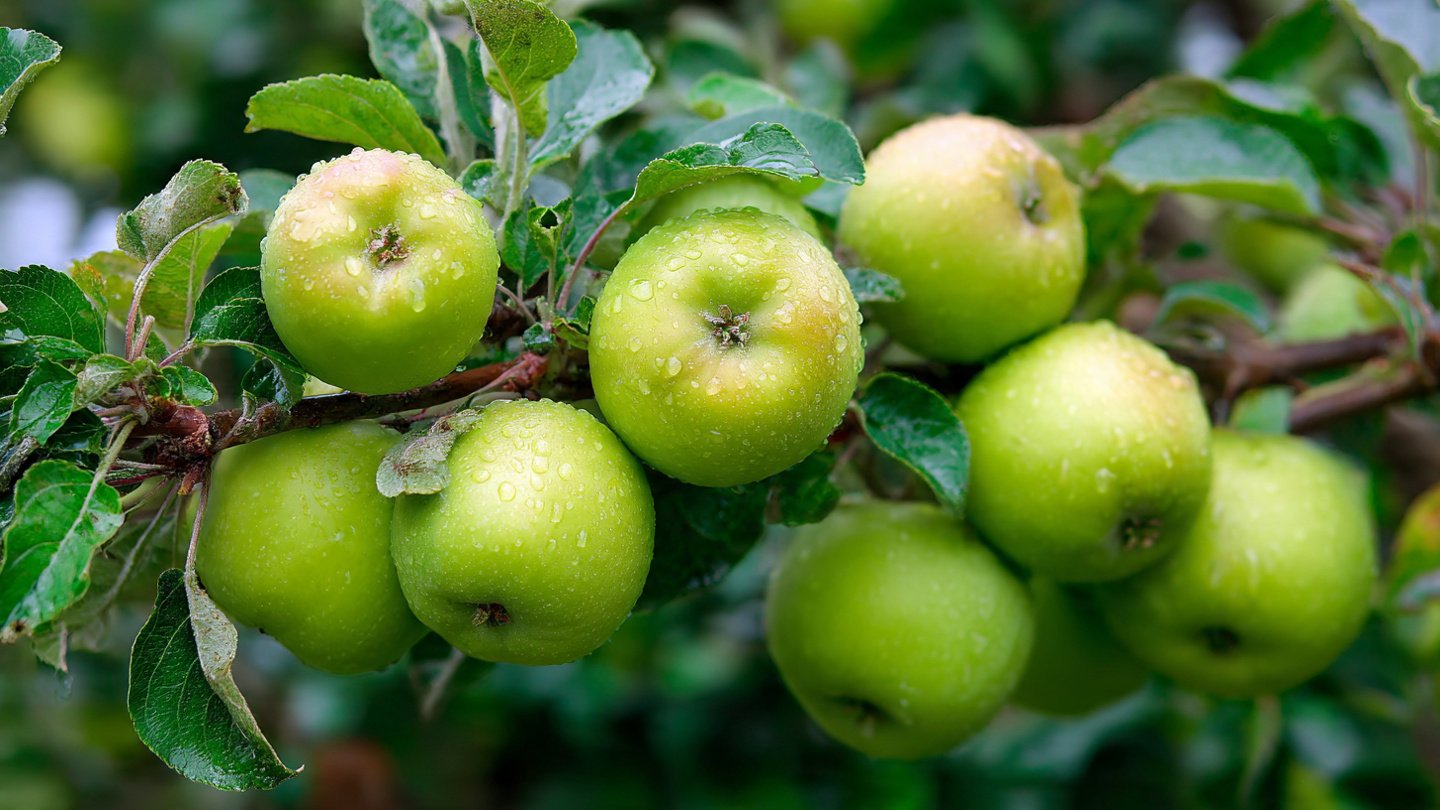
Growing green apples in containers is not just an innovative way to enjoy fruit gardening; it’s also a rewarding experience that allows you to cultivate your own food even if you have limited space. Whether you live in an apartment or a home with a small yard, container gardening presents a unique opportunity to grow fresh, flavorful green apples right at your doorstep. This guide will walk you through everything you need to know about successfully growing green apples in containers at home, including selecting the right variety, understanding container requirements, and maintaining your trees for optimal health and productivity.
Choosing the Right Apple Variety
The first step in your container apple-growing adventure is selecting the appropriate variety. Some apple trees are more suitable for container growth than others. Here are a few recommended varieties for container growing:
-
Granny Smith: Known for its tart flavor and crisp texture, Granny Smith apples are a popular choice. They are relatively small trees and can thrive in containers.
-
columnar apple trees: These are dwarf varieties that grow vertically rather than spreading out. They are perfect for small spaces and are ideal for container gardening.
-
Honeycrisp: While typically larger, certain dwarf versions of Honeycrisp apples can successfully be grown in containers. They boast a sweet flavor and crunchy texture.
-
Mimi®: This is a newer hybrid variety designed specifically for container growth. It produces small, delicious apples and has an ornamental quality with its attractive blossoms.
-
Fuji: Dwarf Fuji varieties are available and can be great for container growing, producing sweet and crisp fruit ideal for eating fresh.
Selecting the Right Container
Choosing the right container is crucial for the healthy growth of your apple tree. Here are some factors to consider:
Size
Select a container that is at least 15 gallons in size. The bigger the container, the better, as this provides ample space for the roots to grow and access nutrients and water. Larger containers also help:

- Reduce the frequency of watering.
- Enhance soil quality by allowing more nutrients.
Material
Containers are made from various materials including plastic, clay, and fiberglass. Each material has its pros and cons:
-
Plastic: Lightweight and easy to move, though they might not insulate roots as well as other materials.
-
Clay: Durable and provides a classic aesthetic, but can be heavy and may dry out faster.
-
Fiberglass: Very durable and offers some insulation to maintain root temperature, providing a balance between aesthetics and functionality.
Drainage
Ensure that your container has drainage holes at the bottom. Good drainage is crucial to prevent root rot and other issues due to excess moisture.
Soil Requirements
The right soil is essential for the health of your apple tree. Here’s what to look for:
Type
Use a high-quality potting mix specifically designed for fruit trees. A good potting mix should be lightweight but allow for proper aeration and drainage. Consider mixing your potting soil with perlite or vermiculite to improve aeration or mixing in a slow-release fertilizer to supply essential nutrients.
pH Levels

Apple trees prefer slightly acidic to neutral soil (pH 6.0-7.0). You can purchase a soil test kit to determine the pH of your soil. If necessary, adjust the pH by adding:
- Sulfur: To lower it.
- Lime: To raise it.
Planting Your Apple Tree
Once you have your container, soil, and chosen variety, it’s time to plant!
Steps
-
Fill the Container: Start by filling your container with the potting mix, leaving about 2-3 inches at the top.
-
Create a Hole: Make a hole in the soil that is slightly larger than the root ball of your apple tree.
-
Position the Tree: Remove the tree from its nursery pot and gently loosen any tightly packed roots. Place the tree in the hole ensuring it is at the same depth as it was originally growing.
-
Backfill with Soil: Fill in around the root ball with soil, pressing gently to eliminate air pockets. Water thoroughly after planting.
-
Mulch: As an added layer, apply a couple of inches of organic mulch on top of the soil. This helps retain moisture and reduces weeds.
Caring for Your Apple Tree
Caring for your apple tree will ensure it thrives and produces fruit. Here are key aspects to consider:
Watering
-
Frequency: Water the tree regularly, especially during dry spells. The soil should be kept moist but not waterlogged.
-
Deep Watering: Water deeply to encourage the roots to grow downwards where the soil is cooler and holds more moisture.
Fertilization
-
Type of Fertilizer: Use a balanced fertilizer with a ratio such as 10-10-10 or one designed specifically for fruit trees.
-
Timing: Feed your tree in early spring when new growth begins and then again in late summer.
Pruning
Proper pruning is essential to maintain the shape and health of your apple tree.
-
When to Prune: Prune in late winter or early spring before new growth starts.
-
What to Prune: Remove any dead or diseased branches, as well as any that cross or rub against others. Thin out crowded branches to increase air circulation and light penetration.
Pest and Disease Management
Apple trees are susceptible to various pests and diseases. Common issues include:
-
Aphids: Tiny insects that can be controlled by introducing beneficial insects like ladybugs or using insecticidal soap.
-
Powdery Mildew: A fungal disease that appears as a white powder. It can be managed by proper spacing of branches and applying fungicides if necessary.
-
Apple Scab: A fungal infection affecting leaves and fruit. Rotate varieties if possible and maintain good sanitation practices.
Harvesting Your Apples
After a couple of years, your apple tree should start producing fruit. Here’s how to know when to harvest:
-
Color: Green apples will begin to show a slight blush or change in hue.
-
Size: Ensure the apples have reached maturity and are a good size.
-
Taste: Sampling a few apples can help determine if they are ready for harvest. If they are crisp and sweet, it’s time to harvest!
Harvesting Technique
- When you pick the apples, gently twist and lift them off the branch instead of pulling straight down to avoid damaging the tree.
FAQs
1. Can I grow apple trees in small containers?
Yes, dwarf apple tree varieties are specifically bred to be compact and suitable for container growth, making them perfect for small spaces.
2. Do I need more than one apple tree to produce fruit?
Yes, most apple trees are not self-pollinating, which means you’ll need at least two trees of different varieties for effective cross-pollination and better fruit production.
3. How often should I water my apple tree in a container?
Generally, water the tree when the top inch of soil feels dry. Ensure the tree gets about 1 inch of water per week, especially during hot weather.
4. How long does it take for apple trees to bear fruit?
Typically, a container-grown apple tree may take 2 to 4 years to start producing fruit, depending on the variety and care.
5. What should I do if my apple tree is not producing fruit?
Ensure it’s receiving sufficient sunlight (at least 6 hours a day), is being watered adequately, and check that it has a compatible pollination partner nearby.
6. What is the best time to prune apple trees?
The best time to prune is late winter or early spring before new growth begins, to enhance air circulation and sunlight penetration.
Conclusion
With a little effort and care, growing green apples in containers can be a fulfilling hobby that rewards you with fresh, delicious fruit right in your home. By selecting the right variety, providing suitable containers, and paying attention to care requirements, you can enjoy the process from planting to harvesting. Happy gardening!