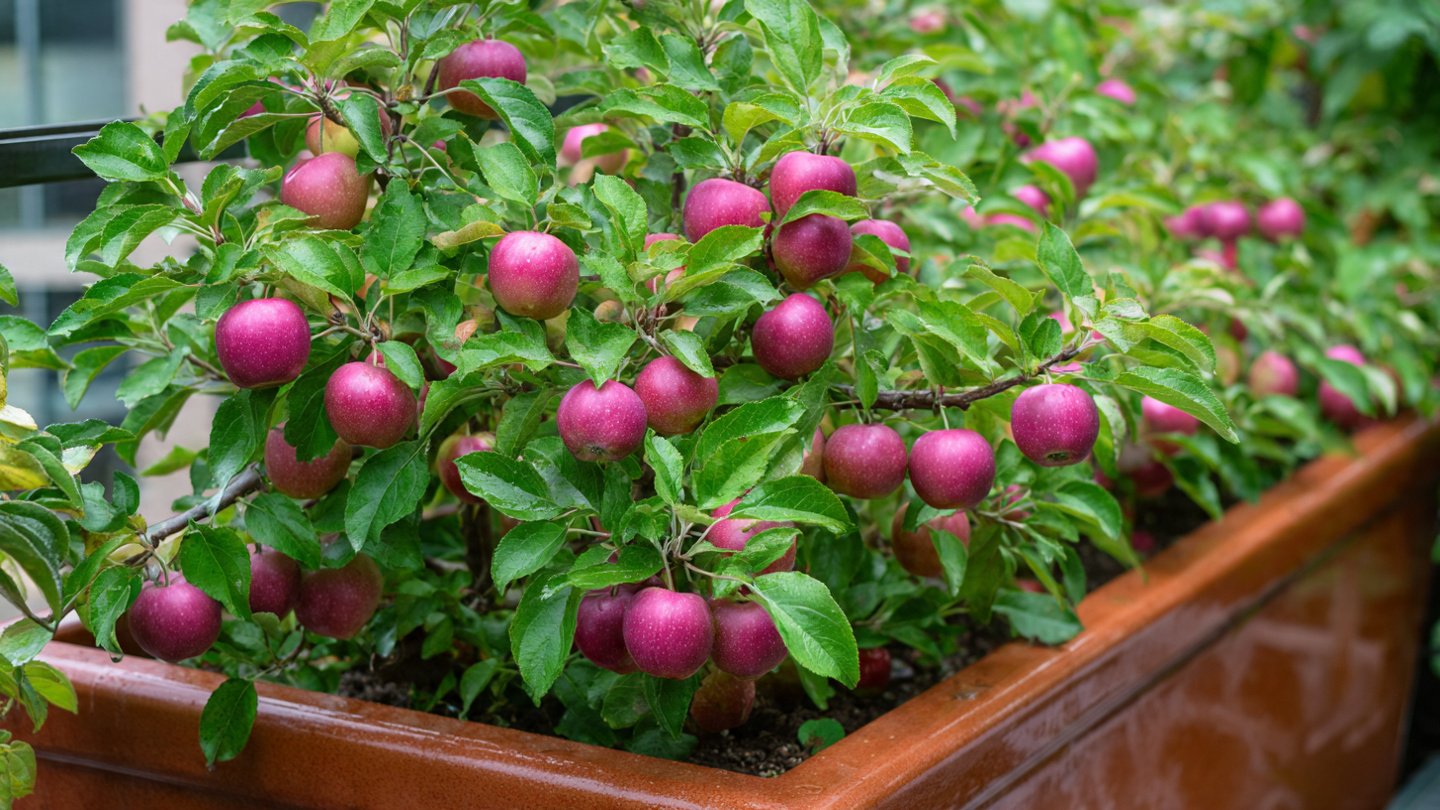
Growing dwarf apple trees in containers is a perfect solution for those with small spaces, where traditional gardening methods may not be feasible. These compact trees not only produce delicious fruits but also add beauty and charm to your home or garden. This guide will cover everything you need to know about successfully growing dwarf apple trees in containers, including choosing the right tree, best practices for care, common issues, and a FAQs section at the end.
Understanding Dwarf Apple Trees
Dwarf apple trees are bred to remain small, typically reaching a height of 5 to 6 feet, making them ideal for container gardening. Despite their size, these trees can produce full-sized apples, and many varieties offer an array of flavors and textures. Container gardening with dwarf apple trees allows for portability, making it easier to provide the tree with the best sunlight conditions and to protect it from harsh weather.
Benefits of Growing Dwarf Apple Trees in Containers
-
Space Efficiency: Ideal for apartments, small yards, or patios, allowing you to enjoy gardening even in limited spaces.
-
Mobility: Containers can be moved to optimize sunlight exposure or to protect from extreme weather.
-
Pest Control: Elevating the trees makes them less accessible to ground pests.
-
Better Soil Control: You can customize the soil mix for optimal growth, drainage, and nutrients.
-
Decorative Element: Dwarf apple trees not only produce fruit but also serve as attractive ornamental plants.
Choosing the Right Dwarf Apple Tree
When selecting a dwarf apple tree, consider the following factors:
1. Variety
Different varieties of dwarf apple trees have unique characteristics in terms of flavor, color, and bloom time. Popular varieties include:

- Honeycrisp: Known for its sweetness and crisp texture.
- Fuji: Sweet with good storage qualities.
- Granny Smith: Famous for its tart flavor, perfect for baking.
2. Pollination
Many apple trees require cross-pollination to bear fruit. When selecting a dwarf apple tree, choose a variety that is compatible with another variety for better fruit production. Some self-pollinating varieties are available, which can be grown alone.
3. Rootstock
Dwarf apple trees are typically grafted onto rootstocks such as M9 or M26, which limit their growth and make them suitable for container gardening. Ensure the rootstock you choose is designed for container culture.
4. Health and Quality
Choose a healthy tree from a reputable nursery. Look for vibrant green leaves, a sturdy trunk, and no signs of pests or disease.
Container Selection
When growing dwarf apple trees, choose a container that provides ample space for root development.
1. Size
A container of at least 5 to 10 gallons is often recommended for dwarf apple trees. The bigger the container, the more space the roots have to grow, which can lead to healthier trees.
2. Material
Containers come in various materials, such as plastic, clay, and ceramic. Ensure the material is durable and has adequate drainage holes.

3. Mobility
Consider using containers with wheels for easier movement, especially if you anticipate needing to relocate your trees during extreme weather or seasonal changes.
Soil and Fertilization
The right soil and nutrients are crucial for the health of your dwarf apple tree.
1. Soil Mix
Choose a high-quality potting mix designed for fruit trees to ensure proper drainage and aeration. Consider blending in:
- Perlite or vermiculite for drainage.
- Compost for nutrients.
- Coconut coir to improve water retention.
2. Fertilization
Feed your dwarf apple tree with a balanced fertilizer, such as a 10-10-10 NPK blend, during the growing season. Follow manufacturer recommendations for application. Additionally, consider organic options like fish emulsion or compost tea.
Watering
Proper watering is essential for the health of dwarf apple trees.
1. Frequency
Water your tree when the top inch of soil feels dry. In containers, soil dries out faster than in the ground, so you may need to water more frequently, especially during hot weather.
2. Method

Water deeply until you see it draining from the bottom of the container. This encourages deep root growth.
3. Signs of Under-Watering/Over-Watering
- Under-Watering: Wilting leaves, dry soil.
- Over-Watering: Yellowing leaves, root rot. Ensure the container has adequate drainage.
Pruning and Training
Pruning is essential to maintaining the shape and health of your dwarf apple tree.
1. When to Prune
Prune during the dormant season, typically in late winter or early spring before new growth begins.
2. How to Prune
- Remove dead or diseased branches.
- Thin out crowded areas to improve airflow.
- Shape the tree’s crown to promote a balanced structure.
3. Training Techniques
Consider training your tree to grow in a specific shape or on a trellis, if desired. This technique can improve light exposure and promote fruit production.
Pest and Disease Management
Dwarf apple trees can face various pests and illnesses. Regular monitoring and preventive measures are crucial.

1. Common Pests
- Aphids: Small, sap-sucking insects. Control with insecticidal soap.
- Spider Mites: These thrive in dry conditions. Increase humidity and mist foliage to control.
- Apple Maggot: A significant threat in some regions. Use traps or insecticides when necessary.
2. Diseases
- Powdery Mildew: Fungal disease that appears as white powder on leaves. Control with fungicides and ensure good air circulation.
- Fire Blight: A bacterial disease affecting blossoms and young shoots. Prune out affected areas and sterilize tools.
Harvesting and Enjoying Your Apples
Once your dwarf apple tree produces fruit, it’s time to enjoy the bounty!
1. Harvest Time
Most dwarf apple trees will yield fruit within 2 to 4 years. Harvest apples when they develop full color and feel firm to the touch.
2. Storing Apples
Store harvested apples in a cool, dark place or in the refrigerator to prolong freshness.
3. Enjoying the Fruits of Your Labor
Use your homegrown apples in various recipes, including pies, salads, sauces, or simply enjoy them fresh!
FAQs
1. How much sunlight do dwarf apple trees need?

Dwarf apple trees require full sun, ideally 6 to 8 hours of direct sunlight each day for optimal growth and fruit production.
2. Can I grow dwarf apples indoors?
While it’s possible, it’s challenging to grow dwarf apple trees indoors due to the need for ample sunlight and humidity. If you choose to try, consider using grow lights.
3. Do dwarf apple trees need pruning?
Yes, regular pruning helps maintain the shape and health of the tree, encourages airflow, and improves fruit production.
4. How often should I fertilize my dwarf apple tree?
Fertilize your tree during the growing season, typically every four to six weeks, depending on the fertilizer used.
5. What size container do I need for a dwarf apple tree?
A container of at least 5 to 10 gallons is recommended for adequate root space and drainage.
6. Are there any pests or diseases I should watch for?
Common pests include aphids and spider mites, while diseases like powdery mildew and fire blight can affect apple trees. Regular monitoring is crucial.
7. How do I know when my apples are ready to harvest?
Apples are typically ready to harvest when they have developed full color, feel firm, and easily detach from the tree with a gentle twist.
Conclusion
Growing dwarf apple trees in containers can be a rewarding experience. With careful planning, the right care, and attention to detail, you’ll enjoy not only the beauty of these trees but also the satisfaction of harvesting your homegrown apples. Whether you’re an urban gardener or simply looking to optimize your space, dwarf apple trees can be a delightful addition to your horticultural pursuits. Happy gardening!