Anjou pears, often revered for their sweet and juicy flesh, are a beloved variety among fruit enthusiasts. While originally cultivated in Europe, these pears have successfully adapted to various climates across North America, including Canadian climates. This guide will explore the essential steps for cultivating Anjou pear trees, including site selection, planting, care, pest management, and harvest.
Understanding Anjou Pear Trees
Overview
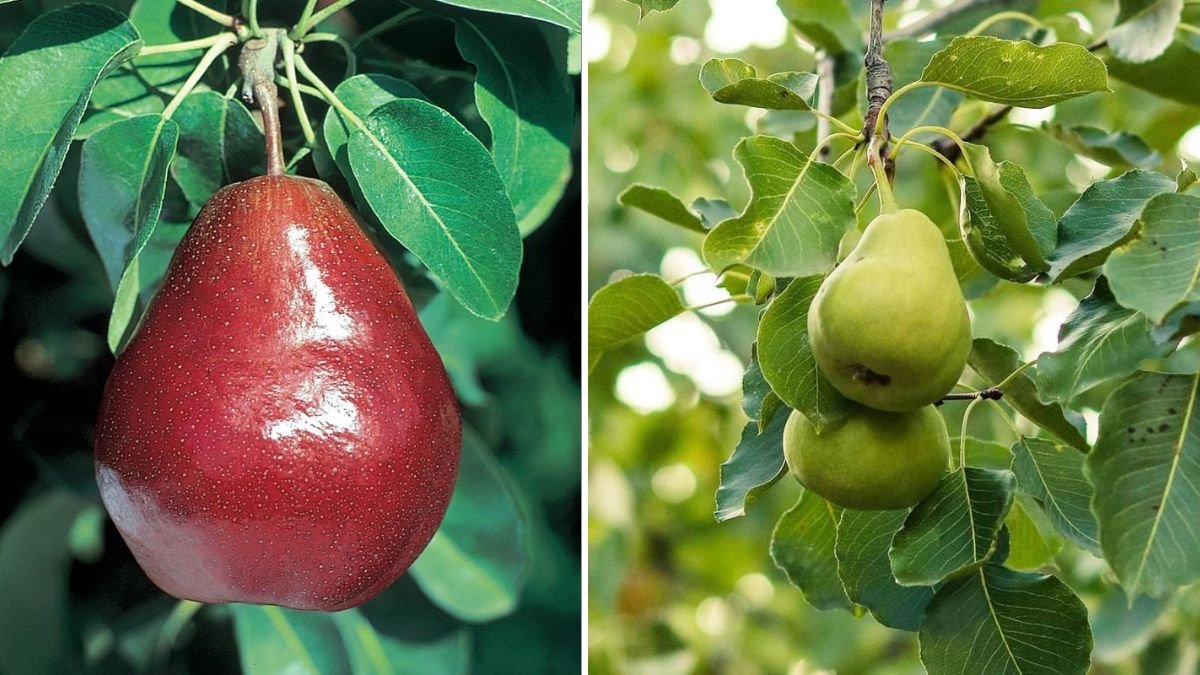
Anjou pears are notable for their unique flavor profile and distinctive shape. They come in two primary varieties: green and red. The green Anjou is the more common variant, characterized by its bell shape and smooth, green skin. The red version, as the name suggests, has a reddish hue and offers a slightly different flavor profile.
Hardiness Zone
In Canada, Anjou pear trees thrive best in USDA Hardiness Zones 5 to 8. Most regions in southern Canada, such as parts of British Columbia, Ontario, and Quebec, fall within these zones, making it possible to grow Anjou pears successfully.
Site Selection
Climatic Considerations
Choosing the right location is critical for the successful cultivation of Anjou pears. They prefer a temperate climate with cold winters and warm summers. The trees require at least 600 chill hours at temperatures below 7°C (45°F), making Canadian winters beneficial.
Soil Type
Anjou pear trees prefer well-drained, loamy soil rich in organic matter. Heavy clay soils can lead to root rot, while sandy soils may dry out too quickly. Aim for a soil pH between 6.0 and 6.8.
Sunlight Exposure

Anjou pears require full sun for optimal fruit production. Ensure that the selected site receives at least six to eight hours of direct sunlight daily. Trees grown in shady conditions may produce fewer fruits and have weaker growth.
Planting Anjou Pear Trees
Season for Planting
The best time to plant Anjou pear trees in Canada is during the spring after the threat of frost has passed. Early spring is ideal as it gives the tree ample time to establish itself before summer heat.
Choosing the Right Varieties
While Anjou pears are self-pollinating, planting at least two different varieties can significantly enhance fruit quality and yield. Consider pairing the Anjou variety with other pear trees like Bartlett or Bosc.
Planting Steps
-
Dig the Hole: Make a hole about twice the size of the root ball. Ensure it is deep enough to accommodate the roots without bending.
-
Amend the Soil: Mix the excavated soil with organic compost to enrich it.
-
Place the Tree: Position the tree in the center of the hole, ensuring that the graft union (where the tree variety was grafted onto the rootstock) is level with the soil surface.
-
Backfill and Water: Fill the hole with the amended soil and gently tamp it down to eliminate air pockets. Water the tree thoroughly after planting to help settle the soil.

Care and Maintenance
Watering
Anjou pear trees need regular watering, especially in the first few years after planting. The soil should remain consistently moist but not soggy. A good rule of thumb is to provide about one inch of water per week during dry spells.
Fertilization
Fertilize your Anjou pear trees in early spring with a balanced fertilizer. Look for a formulation with a balanced NPK (nitrogen, phosphorus, potassium) ratio. Avoid excessive nitrogen, as it can promote foliage at the expense of fruit.
Pruning
Pruning is essential for maintaining tree health and encouraging fruit production.
-
Timing: Prune during dormancy in late winter or early spring.
-
Techniques: Remove any dead, damaged, or crossing branches. Focus on creating a vase shape to allow sunlight to penetrate the canopy and promote air circulation.
Pest and Disease Management
Anjou pear trees are susceptible to various pests and diseases, including:

-
Pear Psylla: These small insects can cause leaf yellowing and fruit drop. Introduce beneficial insects or apply insecticidal soap to manage their population.
-
Fire Blight: A bacterial disease that can be fatal. Prune affected limbs and sterilize your tools to prevent spreading.
-
Scab: Fungal infections can lead to unsightly spots on leaves and fruit. Ensure adequate airflow and consider organic fungicides in high-risk areas.
Harvesting Anjou Pears
Optimal Time for Harvest
Anjou pears can be harvested when they begin to change color and feel slightly soft, usually from late summer to early fall.
-
Green Anjou: They are harvested when they have turned a pale yellow-green color rather than waiting for a fully golden appearance.
-
Red Anjou: The fruit should have a vibrant red hue.
Harvesting Techniques

To harvest, gently twist the fruit off the stem instead of pulling straight down. This reduces the risk of damaging the tree or other fruits. Early morning is the best time to harvest when the fruits are cooler and more firm.
Post-Harvest Care
Store Anjou pears in a cool, dark place. They can continue to ripen at room temperature for a few days. Maintain humidity levels to prevent shriveling.
FAQs
Q1: How long does it take for Anjou pear trees to bear fruit?
It typically takes Anjou pear trees 3 to 5 years to produce fruit after planting, depending on the growing conditions and tree care.
Q2: Can Anjou pears grow in colder regions of Canada?
Anjou pears thrive in Hardiness Zones 5 to 8. Select cold-hardy varieties and consider using protective measures like mulching during winter in colder regions.
Q3: How do I know if my pear tree is healthy?
Check the overall foliage for vibrant green leaves, healthy growth patterns, and the absence of pests or diseases. Yellowing leaves, stunted growth, or signs of pests may indicate issues.
Q4: Should I thin the fruit on my Anjou pear tree?
Yes, thinning excess fruit in early summer can help improve the size and quality of the remaining pears. Aim for about six inches apart between fruits.

Q5: Are Anjou pears self-pollinating?
Yes, Anjou pears are self-pollinating, but planting another variety nearby can enhance pollination and fruit set.
Q6: What common pests should I look out for?
Look for pear psylla, aphids, and coddling moths. Regularly inspect leaves and fruit for signs of these pests.
Q7: Can I grow Anjou pears in a container?
Yes, Anjou pear trees can be grown in large containers. Ensure adequate drainage and provide sufficient water and nutrients for optimal growth.
Q8: What is the best fertilizer for Anjou pear trees?
Use a balanced fertilizer with an NPK ratio; a 10-10-10 formula is ideal during the growing season, particularly in early spring.
Conclusion
Successfully cultivating Anjou pear trees in Canadian climates is a rewarding endeavor that requires careful planning and consistent care. By following the guidelines provided in this comprehensive guide, you can enjoy a bountiful harvest of these delicious pears year after year. Remember that patience is key; it may take a few years, but the wait will be worth every bite!