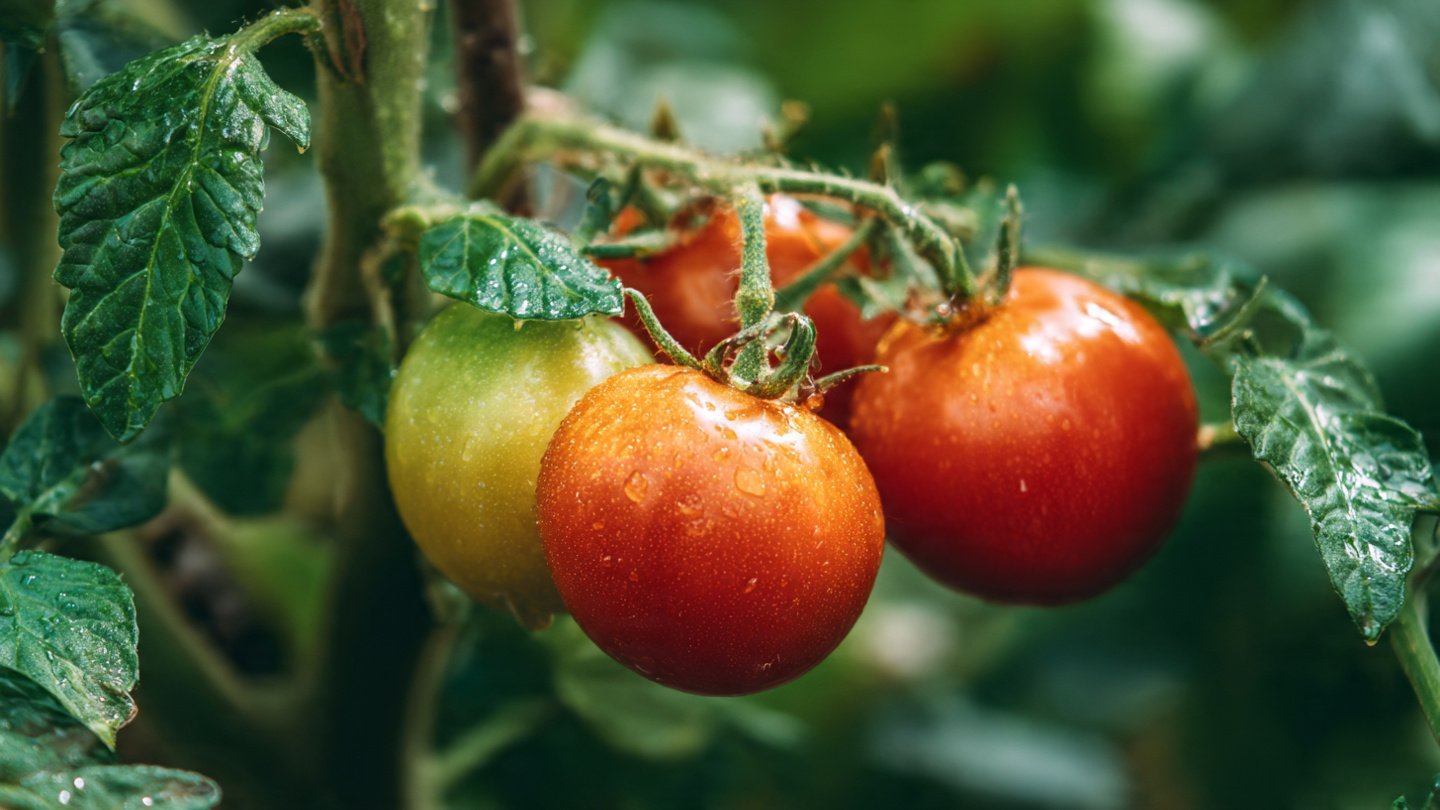
Growing hybrid tomatoes can be an incredibly rewarding venture for gardeners of all levels. These vibrant fruits are not only delicious and versatile but also packed with nutrients. Whether you’re a seasoned gardener or just starting out, this guide will provide you with all the information you need to successfully grow hybrid tomatoes at home.
Understanding Hybrid Tomatoes
What Are Hybrid Tomatoes?
Hybrid tomatoes are the result of cross-pollinating two different varieties of tomatoes. This breeding process aims to produce plants that have desirable traits from both parent plants, such as increased yield, disease resistance, and enhanced flavor. Unlike heirloom varieties, hybrid tomatoes are bred for consistency and reliability, making them a popular choice among home gardeners.
Advantages of Growing Hybrid Tomatoes
- Higher Yields: Many hybrid varieties produce fruit more abundantly than heirlooms.
- Disease Resistance: Hybrids are often bred specifically to resist common tomato diseases, reducing the need for chemical interventions.
- Uniformity: The fruit tends to ripen at similar rates, making harvesting easier.
- Diverse Flavors and Textures: With many varieties available, gardeners can choose hybrids that suit their taste preferences.
Selecting the Right Hybrid Tomato Varieties
Choosing the right hybrid tomato variety is crucial for your gardening success. Here are some popular hybrids:
1. Celebrity
- Type: Determinate
- Description: Known for its balanced flavor and high yield, Celebrity tomatoes are perfect for salads and sauces.
2. Better Boy
- Type: Indeterminate
- Description: This classic variety is known for its large, flavorful fruits and prolific growth. Ideal for fresh eating and cooking.

3. Big Beef
- Type: Indeterminate
- Description: Producing large, meaty tomatoes, Big Beef is perfect for burgers and sandwiches.
4. Sun Gold
- Type: Indeterminate
- Description: A cherry tomato variety praised for its sweetness. Great for snacking and salads.
5. Brandywine Hybrid
- Type: Indeterminate
- Description: Offers the richness of heirloom with improved disease resistance.
Preparing Your Garden
Site Selection
Hybrid tomatoes thrive in full sun, so choose a location in your garden that receives at least 6-8 hours of sunlight per day. Good airflow is also important to reduce the risk of diseases, so avoid overcrowding with other plants.
Soil Preparation
Tomatoes prefer well-draining, nutrient-rich soil.
- Testing Soil: Use a soil test kit to check pH levels and nutrient composition. Ideally, the soil pH for tomatoes should be between 6.0 and 6.8.
- Amending Soil: Incorporate organic matter like compost or well-rotted manure to enhance fertility and improve drainage.
- Tilling: Break up the soil to create a loose, aerated environment for roots to grow.

Choosing Containers
If you’re short on space, hybrid tomatoes can be grown in containers. Make sure to select pots that are at least 5 gallons in size to accommodate root growth.
Planting Hybrid Tomatoes
When to Plant
Plant tomatoes after the last frost date in your area; this usually falls between mid-spring and early summer. Young plants should be approximately 6-12 inches tall when transplanted outdoors.
Spacing Your Plants
- Determinate Varieties: Space about 2-3 feet apart, as they grow to a set height.
- Indeterminate Varieties: Space them 2-4 feet apart to allow for their sprawling growth.
Planting Technique
- Harden Off: Gradually acclimate young plants to outdoor conditions over a week.
- Dig a Hole: Make a hole deep enough to bury at least half of the stem, which helps develop a strong root system.
- Add Fertilizer: Use a balanced fertilizer, following the manufacturer’s instructions.
- Watering: Water immediately after planting to establish roots.
Caring for Your Hybrid Tomatoes
Watering
Consistent watering is essential. Aim for about 1-1.5 inches of water per week, adjusting based on rainfall and temperature. Deep, infrequent watering encourages deep root growth.
Fertilization

Fertilize hybrid tomatoes every 4-6 weeks with a balanced fertilizer. Consider using a fertilizer lower in nitrogen but higher in phosphorus and potassium for better fruit development.
Pruning
Regular pruning improves air circulation and encourages fruit production.
- Suckering: Remove the suckers (the small shoots that grow in the leaf axils) to focus energy on fruiting.
- Leaf Removal: As plants grow, remove lower leaves that touch the ground to reduce disease risk.
Support Structures
Indeterminate varieties need staking or caging to support their growth. Use sturdy cages or stakes that can withstand the weight of the plant and its fruit.
Pest and Disease Management
Common Pests
- Aphids: Small insects that can distort leaves. Use insecticidal soap to control them.
- Spider Mites: Look for tiny webs under leaves. Increase humidity and use neem oil to combat.
- Hornworms: Large, green caterpillars that eat leaves. Hand-pick them off the plants.
Common Diseases
- Blight: Caused by fungal pathogens, resulting in dark spots on leaves. Use disease-resistant varieties and ensure good airflow.
- Blossom End Rot: A physiological disorder causing black spots on the bottom of tomatoes. Caused by inconsistent watering and calcium deficiency.
Organic Solutions
Utilize organic pest control methods, such as introducing beneficial insects like ladybugs or using natural insect repellents like garlic spray.

Harvesting Your Hybrid Tomatoes
When to Harvest
Harvest tomatoes when they are fully colored and slightly soft to the touch. Typically, tomatoes are ready to be picked when:
- They exhibit their specified color (e.g., red for red tomatoes).
- They feel firm, but yield a little when gently squeezed.
How to Harvest
Gently twist or cut the stem of the tomato instead of pulling, as this avoids damaging the plant.
Storing and Using Your Harvest
Fresh hybrid tomatoes are best enjoyed immediately, but they can also be stored:
- At Room Temperature: For short-term storage, keep them at room temperature away from direct sunlight.
- Refrigeration: If necessary, store in the fridge. This can alter texture but helps prolong freshness.
Culinary Uses
Hybrid tomatoes are versatile in the kitchen. Here are some popular uses:
- Fresh in salads
- Cooked into sauces
- As toppings on sandwiches and burgers
- Added to stews and casseroles

FAQs
1. What’s the difference between determinate and indeterminate tomatoes?
Determinate tomatoes grow to a set height and produce fruit all at once. Indeterminate tomatoes continue to grow and produce fruit throughout the season.
2. How do I know if my tomatoes are getting too much or too little water?
Too much water can cause root rot, while too little can result in blossom end rot. Look for drooping leaves or yellowing as signs.
3. Can I save seeds from hybrid tomatoes?
Hybrids are not true-to-type; seeds saved from hybrid tomatoes won’t produce the same fruits. For consistent results, purchase new seeds each season.
4. When should I start my tomato seeds indoors?
Start seeds indoors 6-8 weeks before your last frost date for best results.
5. How can I prevent pests and diseases?
Choose disease-resistant varieties, practice good garden hygiene, and rotate crops to prevent pest and disease buildup.
Conclusion
Growing hybrid tomatoes at home offers the chance to enjoy fresh, flavorful fruit throughout the growing season. By understanding the specifics of hybrid tomatoes, selecting the right varieties, and implementing proper care techniques, anyone can cultivate a thriving tomato garden. Whether in a backyard or even on a balcony, hybrid tomatoes can bring joy to your gardening experience and delicious flavors to your table. Happy gardening!