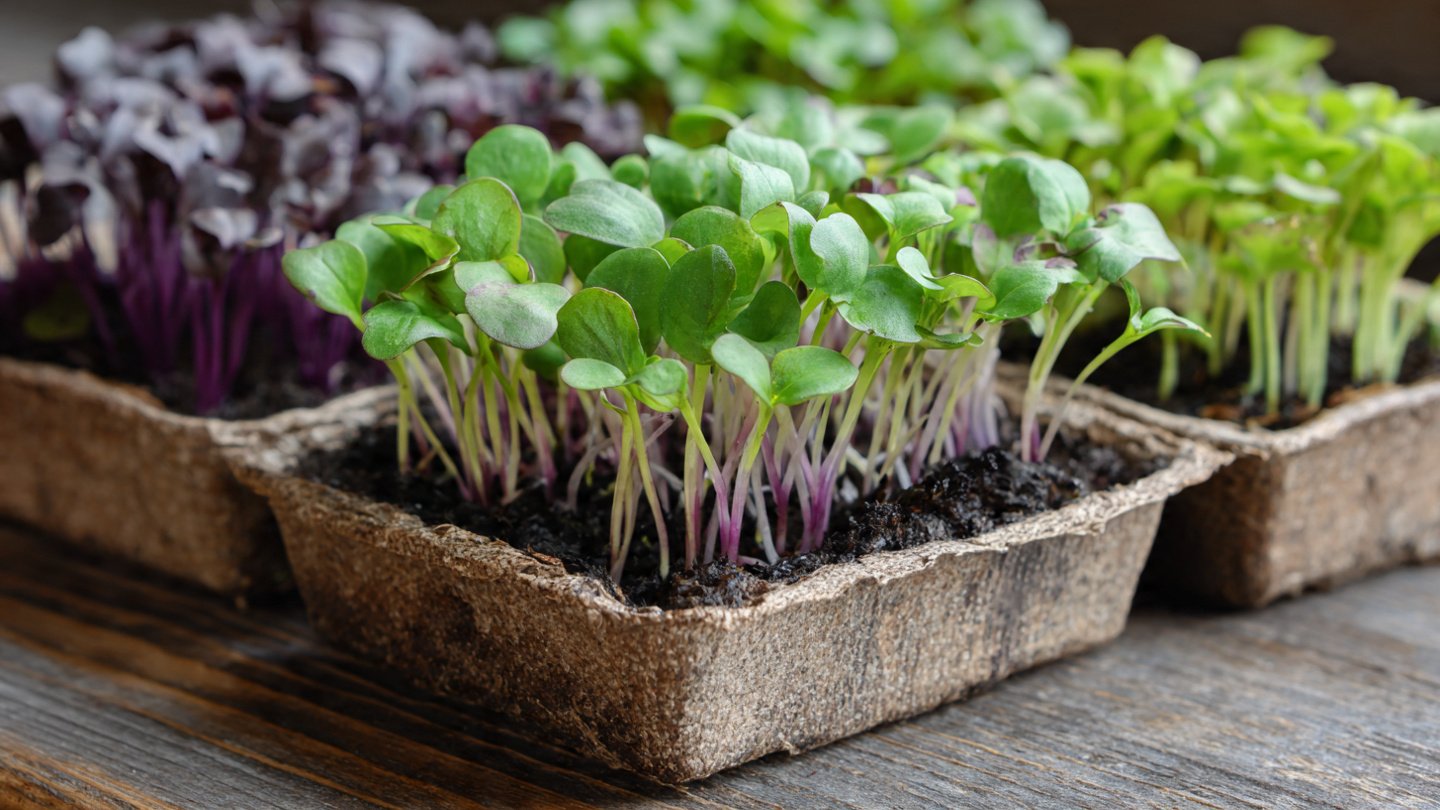
Microgreens have surged in popularity among health-conscious individuals and aspiring chefs alike, and pak choi (also known as bok choy) microgreens are among the most nutrient-rich options available. Not only are they packed with vitamins and minerals, but they are also easy to grow at home. This guide will take you through every step of cultivating your own pak choi microgreens, from selecting seeds to harvesting, and of course, enjoying your fresh, nutritious delights.
What Are Microgreens?
Microgreens are young plants that are harvested shortly after they sprout, typically when they are 1-3 inches tall. They possess concentrated flavors, vibrant colors, and high nutritional value. Common varieties include radish, broccoli, mustard, and pak choi. Microgreens are often used as garnishes, in salads, or as flavor-packed additions to a variety of dishes.
What Makes Pak Choi Microgreens Special?
Pak choi microgreens stand out for several reasons:
- Nutritional Benefits: They are rich in vitamins A, C, E, and K, as well as minerals like calcium, magnesium, and iron.
- Flavor Profile: With their slightly peppery and mild flavor, pak choi microgreens can enhance the taste of various dishes without overwhelming other ingredients.
- Culinary Versatility: They can be used raw in salads, sandwiches, or smoothies, or cooked lightly in stir-fries and soups.
Getting Started: Essentials for Growing Pak Choi Microgreens
1. Choose Your Seeds

When selecting seeds, make sure to choose high-quality, organic pak choi seeds designated for microgreens, as these are bred specifically for short growth cycles. Check that the seeds are pesticide-free and sourced from a reputable supplier.
2. Gather Your Supplies
You’ll need a few basic supplies:
- Containers: Shallow trays or seedling flats work best. Ensure they have drainage holes.
- Growing Medium: A quality potting mix or pre-made microgreen soil. Avoid seed-starting mixes that contain fertilizer, as it can be too strong for microgreens.
- Watering Can or Spray Bottle: For gentle watering.
- Light Source: A sunny windowsill or grow lights if natural light is limited.
3. Prepare Your Growing Environment
Pak choi microgreens thrive in a space that is warm (ideal temperatures range between 65°F to 75°F) and receives indirect sunlight. This makes a kitchen counter or a bright windy area an excellent choice.
Step-by-Step Guide to Growing Pak Choi Microgreens
Step 1: Prepare Your Containers

- Fill your container with about 1-2 inches of your chosen growing medium.
- Level the surface gently and make sure it’s moist but not soggy.
Step 2: Sow the Seeds
- Evenly sprinkle seeds across the surface of the soil. You want to create a dense layer without overcrowding. A good rule of thumb is to use about 1 tablespoon of seeds per tray.
- Lightly press the seeds into the soil with your hand or a flat piece of wood to ensure contact with the growing medium.
Step 3: Watering
- Mist the seeds with a spray bottle to ensure they’re moist. Avoid soaking them initially.
- Cover the tray with a dome or a plastic cover to create a greenhouse effect, maintaining humidity.
Step 4: Light and Temperature
- Place the trays under grow lights or in a location with indirect light.
- Remove the plastic cover once the seeds start germinating (usually after 3-5 days).

Step 5: Care and Maintenance
- Water: Keep the soil consistently moist but not wet. Water gently to avoid displacing the seeds.
- Light Exposure: Rotate the tray every few days if using natural light to promote even growth.
Harvesting Your Pak Choi Microgreens
Pak choi microgreens are typically ready to harvest in 10-14 days, once they’ve developed their first set of true leaves. Here’s how to do it:
- Use clean scissors to cut microgreens just above the soil line.
- Rinse them gently under cool water and pat dry with a paper towel.
- Store in a sealed container in the refrigerator. They can last up to a week.
Culinary Uses of Pak Choi Microgreens
Pak choi microgreens can be incorporated into a variety of dishes, enhancing their nutritional value and flavor. Here are some ideas:
- Salads: Mix with other greens, nuts, and your favorite dressing.
- Smoothies: Blend them with fruits and yogurt for a nutrient-packed drink.
- Sandwiches and Wraps: Use as a crunchy layer.
- Stir-fries: Add at the end of cooking to retain their nutritional benefits and flavor.

Frequently Asked Questions (FAQs)
1. How much light do pak choi microgreens need?
Pak choi microgreens thrive in bright, indirect sunlight for about 12-16 hours a day. If using grow lights, place them close to the plants while ensuring they don’t overheat.
2. Can I grow microgreens in soil or hydroponically?
Pak choi microgreens can be grown in both soil and hydroponically. Soil provides essential nutrients naturally, while hydroponic systems can be more efficient in terms of space and water usage.
3. Do I need to fertilize pak choi microgreens?
Generally, fertilization is not necessary for pak choi microgreens since they are harvested early in their growth cycle. Quality soil should suffice for the short duration they are grown.
4. Can I grow microgreens indoors?

Yes! Microgreens, including pak choi, are perfectly suited for indoor growth. Just ensure they receive adequate light and maintain a suitable temperature.
5. What do I do if my microgreens are leggy?
Leggy microgreens often result from insufficient light. Ensure they receive adequate light exposure, or adjust the distance of your grow lights to promote sturdier growth.
6. How do I store harvested microgreens?
After harvesting, rinse gently, and store pak choi microgreens in a sealed container or plastic bag in the refrigerator. They’ll maintain their freshness for up to a week.
7. Are there any pest issues with pak choi microgreens?
Pests are uncommon due to the short growing time. However, ensure your growing area is clean to prevent potential problems. If pests appear, washing the greens can help.
Conclusion
Cultivating pak choi microgreens at home is not only rewarding but also a fantastic way to enhance your meals with fresh, nutritious ingredients. By following the guidelines outlined in this guide, you’ll be well on your way to enjoying the vibrant flavors and health benefits of these delightful microgreens. Happy growing!