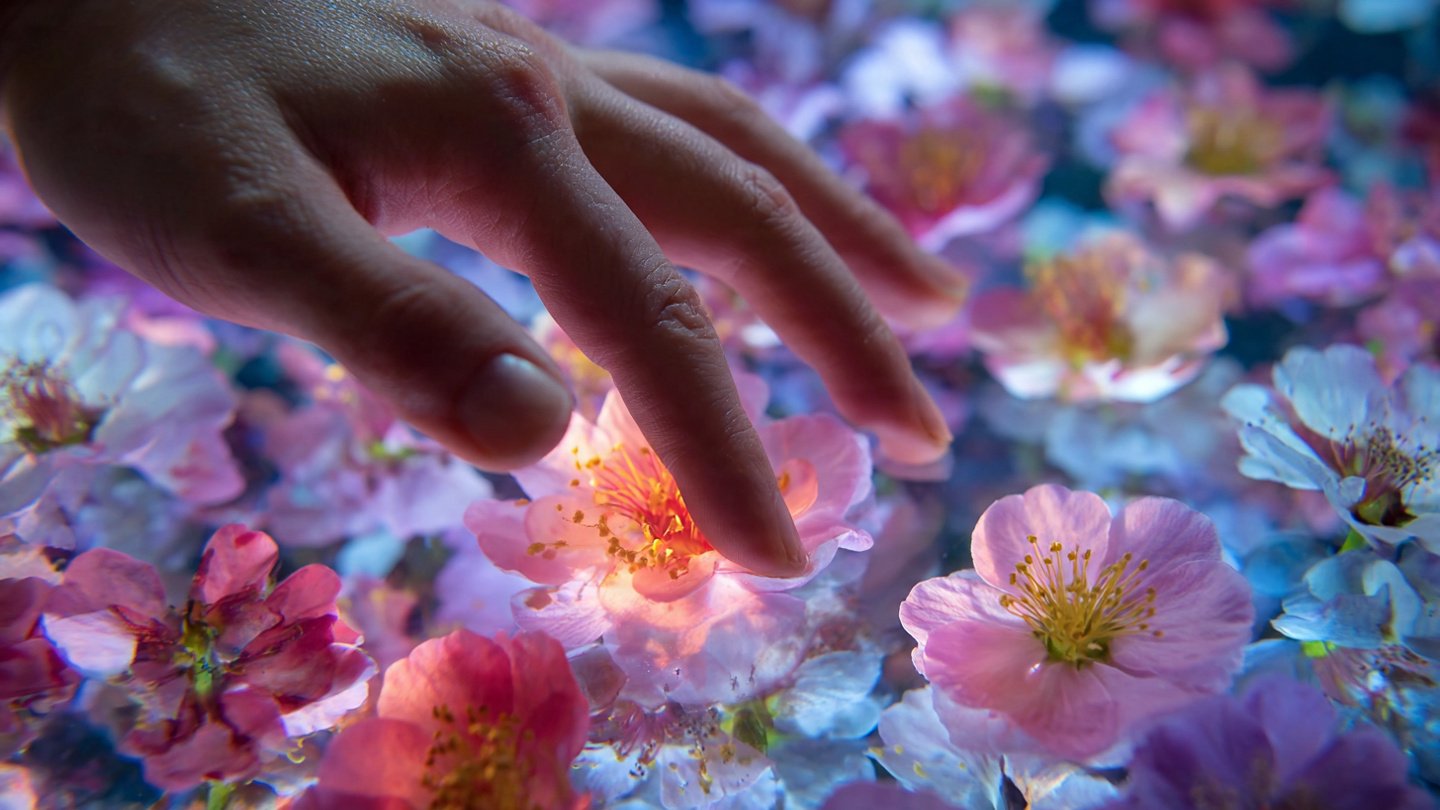
Flowers have long been celebrated for their beauty and fragility. What many may not know is that these delicate organisms exhibit remarkable reactions when touched by humans. This article explores the fascinating dynamics of the relationship between humans and flowers, the science behind their reactions, and why this phenomenon can be more than just a pretty sight.
The Biology of Touch: How Flowers React
When you gently touch a flower, a cascade of physiological and biochemical reactions occurs. Most notably, flowers are sensitive to changes in their environment. They respond to tactile stimuli through a process known as mechanosensation. Mechanosensitive cells in the plant’s tissues can detect physical stimuli and convert them into biochemical signals.
For example, the Mimosa pudica, commonly known as the sensitive plant, is famous for its rapid folding of leaves when touched. This reaction is a defensive mechanism, but it serves as an excellent example of how plants can react to human touch. The sensitivity of flowers varies significantly from species to species, creating a complex tapestry of reactions.
Cellular Response Mechanisms

At the cellular level, the reaction of flowers to touch involves intricate signaling pathways. When touched, mechanoreceptors in plant cells can initiate a series of readily observable behaviors such as wilting, leaf folding, or even blooming. Plant hormones, specifically auxins, play a crucial role in these reactions, influencing growth and development. Where touch is perceived, auxins redistribute, triggering responses in growth directions or causing an immediate reaction like leaf closure.
The Emotional Connection: Flowers and Humans
Humans have an innate connection with plants. Research suggests that interacting with flowers can have emotional and psychological benefits. Touching flowers not only stimulates their response mechanisms but can also lead to stress reduction and increased feelings of well-being in people. The mere act of touching a flower can create a sense of connection to nature, promoting a meditative state.
The Science Behind Emotional Reactions
Studies have shown that interacting with plants can lead to increased levels of serotonin and dopamine, feel-good hormones in our bodies. The sight and smell of flowers can elevate our mood, while physical contact can serve to reinforce emotional connections. Flowers have also been shown to reduce anxiety in patients in medical settings, indicating a powerful link between touch, emotion, and healing.
Applications in Horticulture and Therapy

The knowledge of how flowers react to touch has led to various applications in horticulture and therapeutic settings. For horticulturists, understanding these mechanisms allows for better care and manipulation of plants. Studies often suggest that touching or even gently brushing against flowers can promote their growth, leading to healthier plants that thrive in care.
Therapeutic Uses of Flowers
In therapy, the incorporation of flowers and plants, known as horticultural therapy, exemplifies the healing properties of nature. Touching plants and flowers has been shown to aid in mood enhancement and emotional regulation. This therapy can help individuals process trauma, grief, and anxiety and is utilized in various settings, from rehabilitation centers to elder care facilities.
Cultural Perspectives on Touching Flowers
Throughout history, different cultural practices have also acknowledged the emotional aspects of touching flowers. In many cultures, flowers are used in rituals and ceremonies, symbolizing love, peace, and respect. The act of touching or presenting flowers often carries significant meaning, serving as a bridge between emotions and expression.
The Language of Flowers

Known as “floriography,” the language of flowers has been a form of communication for centuries. Different flowers convey various messages, and the act of gifting flowers often involves human touch that deepens their emotional significance. Whether it’s a comforting gesture to a friend or a romantic offering, the connection formed through the touch of flowers resonates with deeper meanings and emotions.
Conclusion
The phenomenon of flowers reacting to human touch reveals an intricate and beautiful tapestry of interactions between humans and nature. Understanding the biological mechanisms behind these reactions highlights the sentience and complexity of plant life. Additionally, the emotional and psychological benefits of interacting with flowers provide a glimpse into how the natural world can enhance human well-being. As we navigate our busy lives, taking a moment to appreciate the delicate responses of flowers can deepen our connection to the earth, reminding us of the numerous benefits that nature offers.
Frequently Asked Questions (FAQs)
1. Do flowers really have feelings?
While flowers do not have feelings as humans do, they can respond to stimuli in their environment, including touch. This response is part of their survival mechanisms rather than a reflection of emotion.

2. How does touching a flower affect its growth?
Gently touching plants can stimulate growth as it mimics natural processes like wind or animal interaction. This can enhance the plant’s robustness and trigger positive responses in its development.
3. Can interacting with flowers improve mental health?
Yes, interacting with flowers and plants has been shown to reduce anxiety and stress levels. The sensory experience of touching and being around flowers can promote emotional well-being.
4. Are all flowers sensitive to touch?
No, sensitivity to touch varies among different species. Some flowers, like the Mimosa pudica, show dramatic responses, while others may have more subtle reactions.

5. What are some ways to incorporate flowers into therapy?
Horticultural therapy involves using plants and flowers in therapeutic settings, allowing people to engage with nature through gardening, arranging flowers, or simply touching and appreciating their beauty.