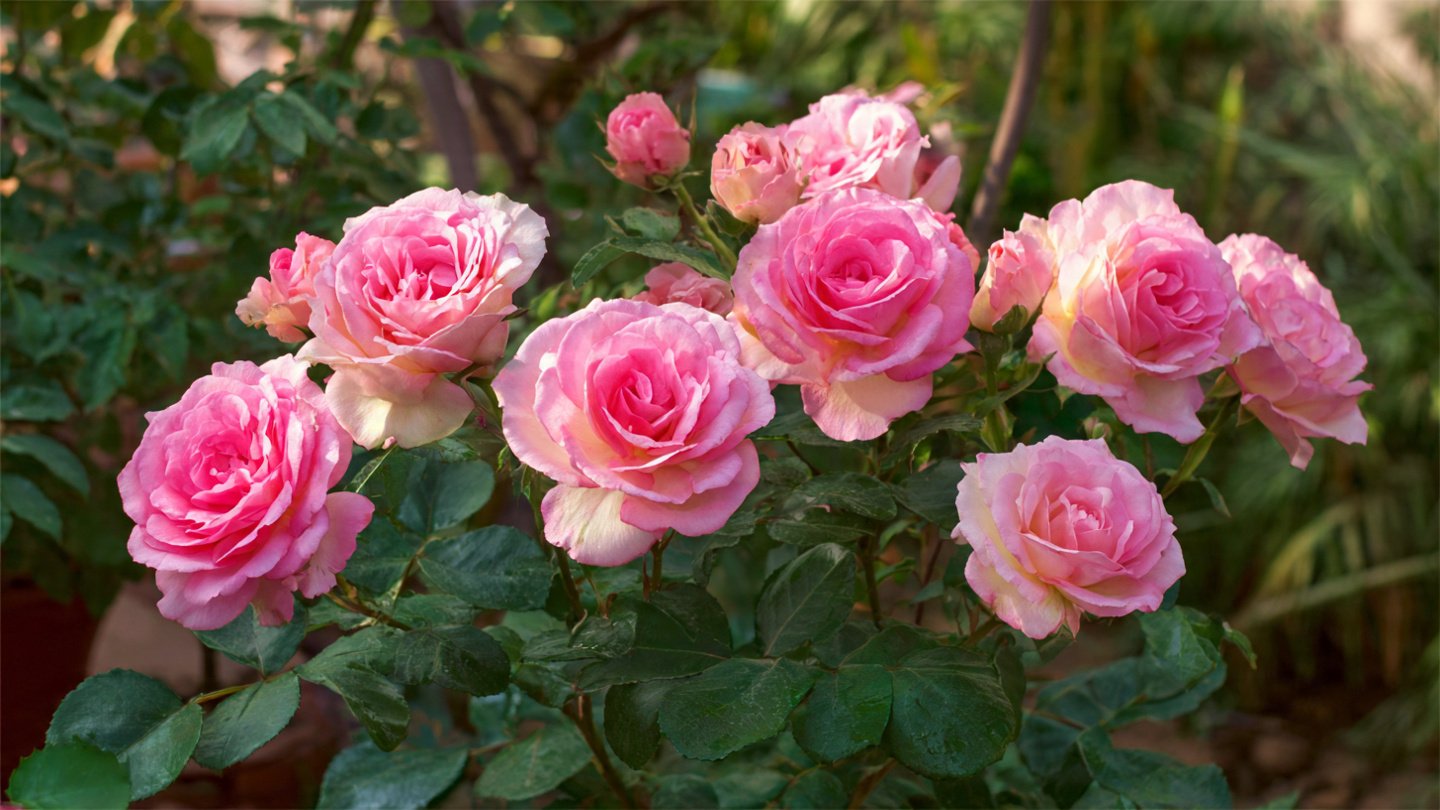
Introduction to Hybrid Tea Roses
Hybrid tea roses, renowned for their elegant blooms and delightful fragrances, are a favored choice among gardeners. These roses are characterized by long stems crowned with large, solitary flowers that often come in a variety of colors. As a blend of hybrid polyantha and tea roses, they are celebrated not only for their beauty but also for their ability to thrive in various climates. However, cultivating these exquisite plants requires a bit of knowledge and attention. In this article, we’ll explore simple strategies to help you successfully grow hybrid tea roses in your garden.
Selecting the Right Variety
Choosing the right variety of hybrid tea roses is paramount. With an extensive array of options available, consider the following factors:
-
Climate Compatibility: Research which varieties thrive in your specific climate. Some are more resilient to heat, while others perform better in cooler temperatures.
-
Disease Resistance: Many hybrid tea roses are susceptible to diseases like black spot and powdery mildew. Look for varieties labeled as disease-resistant.
-
Color and Size: Select colors and bloom sizes that complement your garden’s aesthetic. Some popular varieties include ‘Mister Lincoln’ for deep red blooms and ‘Peace’ for hues of yellow and pink.
Preparing the Soil
Healthy soil is the foundation of thriving hybrid tea roses. Here’s how to prepare it:
-
Location: Choose a site with at least six to eight hours of direct sunlight daily. Morning sun is ideal for drying dew, which helps prevent diseases.

-
Soil Testing: Test your soil’s pH, which should ideally be between 6.0 and 6.8. Amend the soil accordingly. Lime can raise pH, while sulfur can lower it.
-
Organic Matter: Enhance soil quality by incorporating organic matter such as compost or well-rotted manure. This improves drainage and provides essential nutrients.
-
Drainage: Ensure good drainage by creating raised beds if your soil is heavy and prone to water retention.
Planting Hybrid Tea Roses
Timing and method matter when planting hybrid tea roses.
-
Best Time to Plant: The best time to plant roses is in early spring or fall when the weather is cooler. This allows the roots to establish before the heat of summer or the cold of winter sets in.
-
Planting Depth: Dig a hole that’s wider and deeper than the root ball. Position the rose so that the graft union (where the rose variety is grafted onto the rootstock) is at the soil level. This helps promote healthy growth.
-
Spacing: Space your hybrid tea roses at least 18 to 24 inches apart to ensure good air circulation, which reduces the risk of fungal diseases.
Watering Techniques
Proper watering is critical for hybrid tea roses, especially during their initial growth phase.

-
Deep Watering: Instead of frequent shallow watering, provide deep waterings about once a week. Aim for one inch of water per week, adjusting for rainfall.
-
Morning Watering: Water in the morning to allow the foliage to dry throughout the day, reducing the chance of diseases.
-
Soaker Hoses: Consider using soaker hoses or drip irrigation to deliver moisture directly to the roots, minimizing water on the leaves.
Fertilizing for Success
Nutrient needs are crucial for blooming roses.
-
Type of Fertilizer: Use a balanced fertilizer specifically formulated for roses. It should have equal parts Nitrogen (N), Phosphorus (P), and Potassium (K) to promote growth and flowering.
-
Application Schedule: Fertilize your roses every 4-6 weeks during the growing season, starting in early spring and continuing until mid-summer.
-
Organic Options: If you prefer organic methods, consider using compost tea or well-rotted manure as a natural fertilizer.
Pruning Hybrid Tea Roses

Regular pruning encourages healthy growth and abundant blooms.
-
Timing: Prune in late winter or early spring, just before new growth begins. This is typically when you can see the first signs of swelling buds.
-
Technique: Remove dead, damaged, or crossing branches to improve air circulation. Cut above a node at a 45-degree angle to stimulate new growth.
-
Frequency: Consider deadheading (removing spent blooms) throughout the flowering season to promote continuous blooming.
Controlling Pests and Diseases
Hybrid tea roses can be affected by various pests and diseases, but there are several strategies to manage these issues effectively.
-
Regular Inspection: Regularly inspect your plants for signs of common pests such as aphids, spider mites, and whiteflies. Early detection allows for more effective control.
-
Natural Remedies: Consider using neem oil or insecticidal soap as organic pest control options. For fungal diseases, maintain good air circulation and avoid overhead watering.
-
Companion Planting: Planting companion plants such as marigolds can deter harmful insects. Additionally, planting garlic or chives nearby can be effective against aphids.

Mulching for Health
Mulching is an important practice that benefits hybrid tea roses.
-
Types of Mulch: Use organic materials such as wood chips, straw, or shredded leaves. These not only retain moisture but also decompose over time, enriching the soil.
-
Application Thickness: Apply a 2-4 inch layer of mulch around the base of the roses. Be sure to keep mulch away from the stems to prevent rot.
-
Weed Control: Mulch suppresses weed growth, reducing competition for nutrients and water.
Winter Protection
In colder climates, protecting your hybrid tea roses during winter is crucial.
-
Mulching: Apply a thicker layer of mulch around the base of the plants to insulate the roots.
-
Dormant Spraying: Consider applying a dormant oil spray to protect against pests before winter sets in.
-
Covering Bushes: In extremely cold regions, you can cover your hybrid tea roses with burlap or create a protective enclosure if necessary.

Conclusion
Cultivating hybrid tea roses may initially seem daunting, but with the right strategies, anyone can enjoy these stunning plants in their garden. By selecting the right variety, preparing the soil, ensuring proper watering and feeding, and protecting against pests, you can create a flourishing environment for your hybrid tea roses. With patience and care, your garden can be adorned with these magnificent blooms for seasons to come.
FAQs
1. How often should I water hybrid tea roses?
Water your hybrid tea roses about once a week, ensuring they receive about an inch of water.
2. What kind of fertilizer should I use?
A balanced rose fertilizer (equal parts N-P-K) or organic options like compost tea or well-rotted manure are excellent choices.
3. When is the best time to prune hybrid tea roses?
Prune your roses in late winter or early spring, just before new growth begins.
4. What pests should I watch for?
Common pests include aphids, spider mites, and whiteflies. Regular inspection helps with early detection.
5. How can I prevent diseases in my roses?
Ensure good air circulation, avoid overhead watering, and consider using organic treatments like neem oil or fungicides when necessary.
6. What is the best way to protect hybrid tea roses in winter?
Mulch around the base of the plants and consider covering them with burlap in extremely cold weather.
7. Can hybrid tea roses thrive in containers?
Yes, hybrid tea roses can thrive in containers. Just ensure the container is large enough and has good drainage.