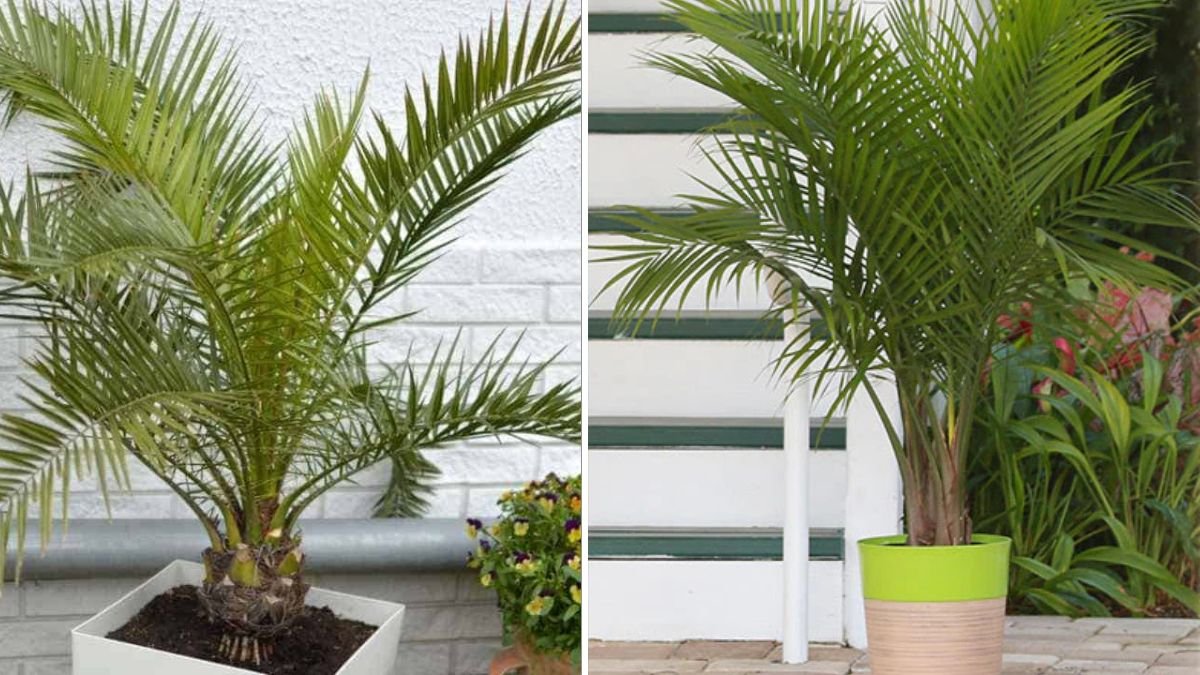
Cultivating a Majesty Palm (Ravenea rivularis) outdoors can bring a touch of tropical elegance to your landscape. This stunning palm, renowned for its vibrant green fronds and graceful stature, thrives best in warm climates and can make an excellent addition to gardens, patios, and around pools. For anyone looking to cultivate this majestic plant successfully, here are some simple steps to ensure that your Majesty Palm flourishes all year round.
Step 1: Choose the Right Location
Selecting the right location is crucial for the success of your Majesty Palm. Here are several considerations to keep in mind:
Sunlight Requirements
Majesty Palms thrive in bright, indirect sunlight. They prefer partial shade to full sun, especially in hotter climates where direct, intense sunlight can scorch their leaves. When planning your garden layout, look for spots that receive filtered light or dappled shade, particularly during the hottest parts of the day.
Wind Protection
Majesty Palms are susceptible to wind damage, so selecting a location that offers some protection from strong breezes is vital. Planting near a wall, fence, or other structures can help shield the palm from damaging gusts.
Drainage and Soil Type
These palms prefer well-draining soil. Avoid areas where water tends to pool, as soggy soil can lead to root rot. If your soil is clay-heavy or tends to retain water, consider amending it with sand or organic compost to improve drainage.
Step 2: Planting the Majesty Palm

Once you’ve chosen the perfect location, you’re ready to plant. Here’s a step-by-step guide:
Prepare the Planting Hole
Dig a hole that is twice as wide and the same depth as the root ball of your Majesty Palm. This will provide ample room for the roots to expand and establish.
Add Soil Amendments
Mixing compost or aged manure into the soil you removed from the hole can provide essential nutrients. Ensure that the composition allows for adequate drainage.
Position the Palm
Carefully remove the Majesty Palm from its container, taking care not to damage the root ball. Place it in the center of the hole and backfill with the amended soil, firming it gently around the base to eliminate air pockets.
Water Thoroughly
Once planted, water your Majesty Palm deeply to help settle the soil around the roots. This initial watering will also reduce transplant shock.
Step 3: Watering and Fertilizing
Watering and fertilizing are essential parts of maintaining a healthy Majesty Palm.

Watering
Majesty Palms prefer consistently moist soil but can be susceptible to overwatering. A good rule of thumb is to let the top 1-2 inches of soil dry out before watering again. During dry spells, you may need to water more frequently, especially in the summer months. Pay attention to your plant — if fronds start drooping or yellowing, it might be a sign of over or under-watering.
Fertilizing
Fertilizing your Majesty Palm can encourage healthy growth. Use a balanced, slow-release fertilizer during the growing season (spring to early fall). A 10-10-10 NPK fertilizer applied at half strength every 4-6 weeks can help provide the nutrients necessary for vibrant greenery.
Step 4: Pruning and Maintenance
Keeping your Majesty Palm healthy may require regular maintenance. Here are some key points:
Pruning
Periodic pruning helps maintain the appearance of your palm as well as its health. Remove any dead or yellowing fronds at the base. This not only improves aesthetics but also allows the palm to direct its energy towards new growth.
Pest Control
While Majesty Palms can resist some pests, they may occasionally fall victim to spider mites, scale, or mealybugs. Regularly inspect your palm for any signs of infestations, and treat them promptly with insecticidal soap or neem oil.

Disease Management
Be vigilant for signs of disease such as leaf spot or root rot. If you notice discolored leaves or other abnormalities, it’s important to diagnose and address the issue quickly, whether through better watering practices or fungicides.
Step 5: Protecting Your Majesty Palm
Caring for your Majesty Palm also requires protection from potential threats, which can be particularly important in regions experiencing harsh winters or extreme weather.
Winter Care
In areas where temperatures drop below 30°F (-1°C), consider covering the palm with frost cloth or fabric during cold snaps. Alternatively, you might choose to plant it in a pot that can be moved indoors when temperatures plummet.
Mulching
Adding a layer of mulch around the base of your palm can help maintain moisture levels and regulate soil temperature. Use organic materials like bark or straw, ensuring the mulch does not touch the trunk to prevent rot.
Step 6: Harvesting and Propagation (Optional)
Majesty Palms produce small, white flowers on tall spikes that can develop into fruit. While growing from seed can be a rewarding endeavor, it can take several years for seeds to germinate and grow into the full-sized trees commonly seen.
Seed Collection

If you wish to propagate, allow the flowers to mature into fruit, then collect and store the seeds. Soak them in water for 24 hours before planting to aid germination.
Parent Plant Division
Alternatively, if your palm has grown large enough, you may also propagate through division, carefully separating offshoots from the main plant and replanting them.
Step 7: Enjoying Your Majesty Palm
Once your Majesty Palm is well established, sit back and enjoy the lush greenery it brings to your outdoor space. Whether you use it as a stand-alone focal point or part of a larger tropical garden, the elegance of this palm is sure to enhance your landscape.
FAQs
Q1: How fast does a Majesty Palm grow?
A: Majesty Palms are moderately fast-growing, typically adding 1-2 feet per year under ideal conditions.
Q2: Can Majesty Palms tolerate drought?
A: While they prefer consistent moisture, they can tolerate short periods of drought. However, prolonged dryness can lead to stress and yellowing leaves.
Q3: Are Majesty Palms suitable for container gardening?

A: Yes, Majesty Palms can be grown in pots. Just ensure the container has good drainage, and follow similar care guidelines regarding watering and fertilizing.
Q4: What should I do if my Majesty Palm’s leaves start to turn yellow?
A: Yellowing leaves can indicate overwatering, nutrient deficiency, or pest issues. Check the soil moisture level and inspect for pests.
Q5: How can I tell if my Majesty Palm is getting enough light?
A: If the palm’s fronds are reaching upward and appear vibrant, it’s likely getting enough light. However, if the fronds are drooping or turning yellow, it may not be receiving adequate light.
Q6: Can I prune my Majesty Palm at any time?
A: It’s best to prune during the growing season (spring to early fall) to minimize stress on the plant. Remove only dead or damaged fronds.
Q7: Do Majesty Palms have any significant pest problems?
A: They can attract pests like spider mites and scale insects. Regularly inspecting the leaves and treating any infestations early is key to keeping your palm healthy.
By following these simple steps, you can successfully cultivate a Majesty Palm outdoors, adding a stunning focal point and lush greenery to your landscape all year long. Happy gardening!