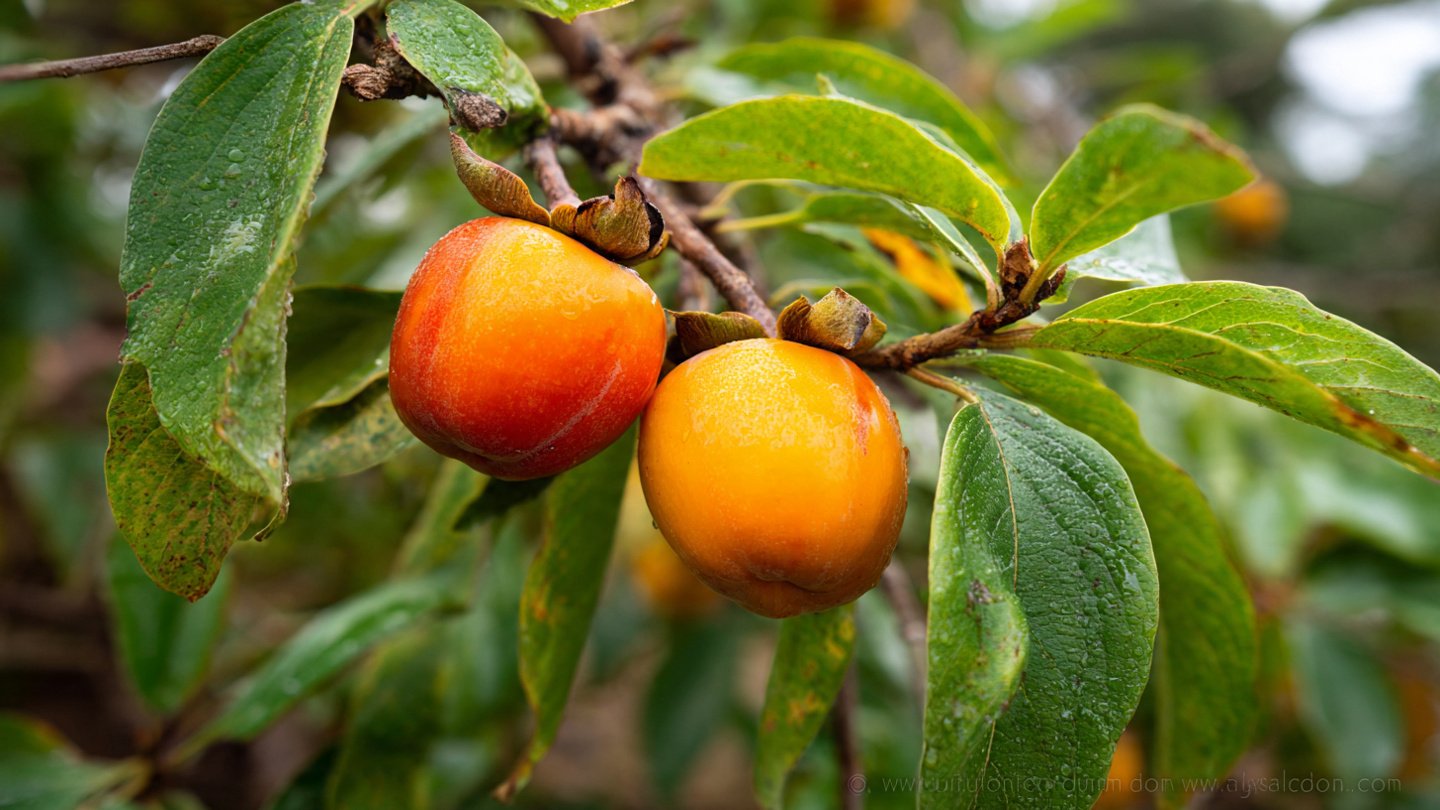
Growing persimmons can be a rewarding experience. These sweet, flavorful fruits not only enhance your garden’s beauty but also offer nutritional benefits. Hardy persimmons, particularly the American persimmon (Diospyros virginiana) and the Japanese persimmon (Diospyros kaki), are well-suited for various climates, making them a fantastic choice for beginner gardeners. This guide will walk you through simple steps to successfully grow hardy persimmons.
Understanding Hardy Persimmons
Choosing the Right Variety
Before you plant, it’s essential to choose the right variety for your climate and soil. Hardy persimmons can typically thrive in USDA zones 4 through 9. The two main types include:
- American Persimmon (Diospyros virginiana): Native to North America, this variety can withstand colder temperatures and produces small to medium-sized fruits.
- Japanese Persimmon (Diospyros kaki): Known for its larger, sweeter fruits, this variety often requires warmer climates but some cultivars can tolerate colder conditions.
Recognizing the Benefits
Hardy persimmons are rich in essential vitamins and minerals, including vitamin C, vitamin A, and dietary fiber. Besides their nutritional value, they are relatively low-maintenance and have beautiful foliage, making them an attractive addition to any garden.
Step-by-Step Guide to Growing Hardy Persimmons
Step 1: Selecting the Right Location
Persimmons thrive in well-draining soil and full sun. Here are key considerations for site selection:

- Sunlight: Choose a location that receives at least 6 hours of full sunlight daily.
- Soil Quality: Loamy or sandy soil is ideal. Conduct a soil test to check pH levels; persimmons prefer a pH of 6.0 to 7.5.
- Drainage: Ensure the area has good drainage. Avoid spots that collect water or remain soggy after rainfall.
Step 2: Preparing the Soil
Proper soil preparation is crucial for the healthy growth of persimmons:
- Amend the Soil: Incorporate organic matter such as compost or well-rotted manure to enhance fertility and drainage.
- Tilling: Loosen the soil to a depth of at least 12 inches. This provides room for roots to grow freely.
Step 3: Planting Techniques
When you’re ready to plant, follow these guidelines:
- Timing: The best time to plant persimmons is in the spring after the last frost.
- Spacing: Space young trees at least 15 to 20 feet apart to allow for growth.
- Planting Method:
- Dig a hole twice the width and depth of the root ball.
- Remove the tree from its container carefully to avoid disrupting the roots.
- Place the tree in the center of the hole, ensuring that the graft union (if applicable) is above the soil line.
- Backfill with soil, tamping down gently to eliminate air pockets.

Step 4: Watering and Fertilizing
Proper watering and feeding can significantly impact your persimmon’s health:
- Watering: Newly planted trees should be watered deeply once a week for the first growing season. After that, persimmons are relatively drought-tolerant.
- Fertilizing: Use a balanced fertilizer in spring, following package instructions for application rates. Too much nitrogen can lead to excessive leaf growth at the expense of fruit.
Step 5: Pruning and Training
Pruning is essential to maintain the health and shape of your persimmon tree:
- When to Prune: Late winter or early spring, while the tree is still dormant, is the best time to prune.
- How to Prune: Remove any dead or damaged branches and thin out crowded areas to improve airflow. Focus on developing a strong, central leader with side branches.
Step 6: Pest and Disease Management

Regularly inspecting your trees for signs of pests or diseases can help you maintain their health:
- Common Pests: Watch out for spider mites, aphids, and scale. Organic insecticidal soap can be effective against these pests.
- Diseases: Fungal diseases like leaf spot and root rot can occur in poorly drained soils. Ensure good air circulation and consider using fungicides if necessary.
Step 7: Harvesting
Patience is key when it comes to harvesting persimmons:
- Timing: Fruits typically mature in late fall, but they should only be picked when they are fully ripe.
- Signs of Ripeness: Look for a vibrant color, depending on the variety. Ripe fruits feel soft to the touch.
Maintaining Your Persimmon Tree
Seasonal Care
- Mulching: Apply a layer of mulch around your tree to retain moisture and suppress weeds.
- Winter Protection: In colder climates, protect young trees from harsh winter conditions with burlap or blankets.
Yearly Assessment

Conduct an annual assessment of your tree’s health, noting any signs of stress or disease. This proactive approach will help you address any issues before they become major problems.
FAQs About Growing Hardy Persimmons
1. What is the best time to plant persimmons?
Plant persimmons in the spring after the last frost for optimal growth.
2. How much sunlight do persimmons need?
Persimmons require a minimum of 6 hours of direct sunlight each day.
3. How often should I water my persimmon trees?
Water new trees deeply once a week during their first growing season. Established trees are more drought-tolerant and may require less frequent watering.
4. When should I prune my persimmons?
Prune your persimmon trees in late winter or early spring while they are still dormant.
5. What types of fertilizer are best for persimmons?
Use a balanced fertilizer in early spring, following the package instructions for application rates.

6. Are persimmons resistant to pests and diseases?
While persimmons are relatively resistant, they can be affected by pests like spider mites and diseases such as leaf spot if not properly cared for.
7. How do I know when to harvest persimmons?
Harvest persimmons when they feel soft to the touch and have a vibrant color, indicating ripeness.
8. Can I grow persimmons in a container?
Yes, hardy persimmons can be grown in large containers as long as they receive enough sunlight and proper care.
Conclusion
Growing hardy persimmons is a fulfilling endeavor that can yield delicious fruits and enhance your garden’s landscape. By following these simple steps—choosing the right location, preparing the soil, planting properly, and managing your tree’s health—you’ll be well on your way to enjoying the sweet rewards of your labor. With a little patience and care, you will soon be harvesting your own homegrown persimmons.