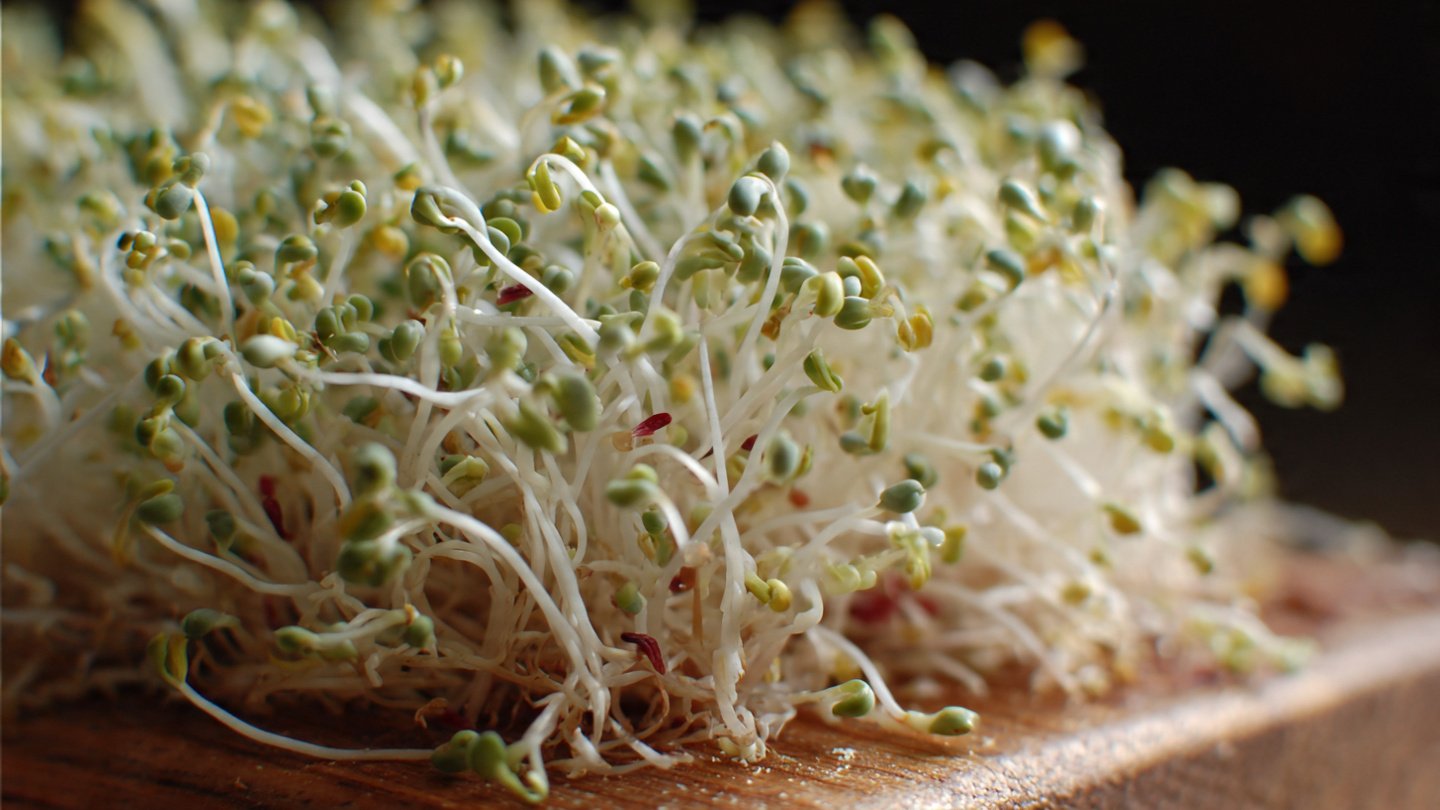
Growing alfalfa sprouts at home is a rewarding endeavor that not only provides you with fresh, nutritious greens but also allows you to engage in a simple gardening activity. Alfalfa sprouts are rich in vitamins, minerals, and antioxidants, making them an excellent addition to salads, sandwiches, and smoothies. In this guide, we will explore the straightforward steps to successfully grow alfalfa sprouts at home, ensuring the process is as hassle-free as possible.
Why Grow Alfalfa Sprouts?
Before we dive into the steps, it’s essential to understand why alfalfa sprouts are a popular choice:
-
Nutritional Benefits: Alfalfa sprouts are low in calories but high in essential nutrients such as vitamins A, C, E, and K, as well as minerals like calcium, iron, and magnesium. They also contain protein and are a fantastic source of dietary fiber.
-
Space Requirements: You don’t need a big garden to grow alfalfa sprouts. They can be cultivated in small containers, making them ideal for apartments or smaller living spaces.
-
Fast Growth: Alfalfa sprouts are among the fastest-growing sprouts, taking about 5 to 7 days to mature.
-
Cost-Effective: Growing your own sprouts can save money compared to purchasing them at the store.
-
Simplicity: The process is straightforward, requiring minimal tools and ingredients.
Materials You’ll Need
Before you start, gather the following materials:

-
Alfalfa Seeds: Purchase high-quality, certified organic alfalfa seeds. These can be found at garden centers or online.
-
Sprouting Jar or Tray: A wide-mouth glass jar with a mesh lid, a sprouting tray, or a simple plastic container with holes for drainage will work.
-
Water: Clean, fresh water is essential for rinsing and soaking the seeds.
-
A Dark Place: A cabinet or pantry to keep your sprouts out of direct sunlight during the initial growth phase.
-
A Light Source: A place with indirect sunlight for the final growth phase.
Step-by-Step Guide to Grow Alfalfa Sprouts
Step 1: Rinse and Soak the Seeds
-
Measure Seeds: Start by measuring out approximately 1 to 2 tablespoons of alfalfa seeds. This amount will yield a significant quantity of sprouts, enough for several salads or sandwiches.
-
Rinse Seeds: Place the seeds in a fine-mesh sieve and rinse them thoroughly under cold running water. This step helps remove any impurities and dust.
-
Soak Seeds: Transfer the rinsed seeds to a bowl and cover them with water. Allow the seeds to soak for about 6 to 8 hours or overnight. This soaking process rehydrates the seeds and initiates the germination process.

Step 2: Drain and Rinse
-
Drain the Seeds: After soaking, drain the seeds using the fine-mesh sieve. Ensure all excess water is removed to prevent mold growth.
-
Rinse Again: Rinse the seeds one more time with fresh water. This step is crucial for keeping the seeds clean and preventing any foul smells during the sprouting process.
Step 3: Set Up for Sprouting
-
Transfer to Jar or Tray: If using a jar, place the soaked seeds in the jar. If using a sprouting tray, spread the seeds evenly across the surface, ensuring they’re not too crowded.
-
Cover: If using a jar, place a mesh lid or cheesecloth over the mouth of the jar, securing it with a rubber band. This allows for air circulation while keeping pests out.
-
Position: Place the jar or tray in a dark, cool spot, such as a cabinet or pantry. Avoid direct sunlight during the initial germination phase.
Step 4: Rinse and Drain (Repeat Daily)
-
Daily Routine: Every 8 to 12 hours, rinse the seeds with water, swishing them around to ensure even moisture. Drain any excess water well. This regular rinsing helps promote healthy growth.

-
Keep Moist: Make sure the seeds remain moist but not waterlogged. Too much water can lead to mold.
Step 5: Move to Light
-
Time to Lighten Up: After 3 to 4 days of sprouting in the dark, move the jar or tray to a location with indirect sunlight. This exposure to light will help your sprouts develop vibrant green leaves.
-
Continue Rinsing: Continue rinsing the sprouts daily.
Step 6: Harvesting
-
Check for Height: After about 5 to 7 days, your alfalfa sprouts should be around 2 to 3 inches tall and have developed tiny green leaves.
-
Final Rinse: Before harvesting, give the sprouts one last rinse to remove any seed hulls that might still be attached.
-
Cut the Sprouts: Using clean kitchen scissors, cut the sprouts above the root level. Discard any roots that might not look fresh.
Step 7: Storage
-
Dry Off: After harvesting, gently pat the sprouts with a paper towel to remove excess moisture.
-
Store in a Container: Place the sprouts in an airtight container or a sealed bag, and store them in the refrigerator. Properly stored, alfalfa sprouts can stay fresh for about a week.

Tips for Success
-
Cleanliness is Key: Always work with clean equipment and containers to prevent contamination.
-
Avoid Mold: If you notice any mold, ensure your environment is adequately ventilated and your rinse routine is consistent.
-
Experiment: If you enjoy growing alfalfa sprouts, consider trying other types of sprouts such as broccoli, radish, or clover. The methods remain the same!
FAQs
Q1: Can I grow alfalfa sprouts without special equipment?
Yes! While sprouting jars or trays are convenient, you can easily use a simple jar with a lid covered in cheesecloth, or even a clean container with holes for ventilation.
Q2: How often should I rinse the sprouts?
Rinse the sprouts 2 to 3 times a day, depending on your environment. The goal is to keep the seeds moist but not soaked.

Q3: What can I do with alfalfa sprouts once harvested?
Alfalfa sprouts are delicious in salads, sandwiches, wraps, and smoothies. They can also be used as a garnish for soups and main dishes.
Q4: Are there any concerns about eating raw sprouts?
While alfalfa sprouts are generally safe to eat, they can sometimes harbor bacteria. Make sure to purchase seeds from reputable sources, keep everything clean, and store them properly.
Q5: How long do alfalfa sprouts take to grow?
Alfalfa sprouts typically take about 5 to 7 days to grow, depending on the conditions such as temperature and light.
Q6: Can I grow alfalfa sprouts indoors?
Absolutely! Alfalfa sprouts are ideal for indoor gardening, as they don’t require much space or direct sunlight.
Q7: How do I know if my sprouts have gone bad?
Signs of spoilage include an off-odor, discoloration, or slimy texture. If any of these occur, it’s best to discard the sprouts.
Conclusion
Growing alfalfa sprouts at home is a simple, enjoyable process that yields nutritious rewards. With just a few steps and minimal materials, you can cultivate your own fresh sprouts. Whether you’re looking to enhance your meals or simply explore the joys of gardening, alfalfa sprouts are an excellent choice. Happy sprouting!