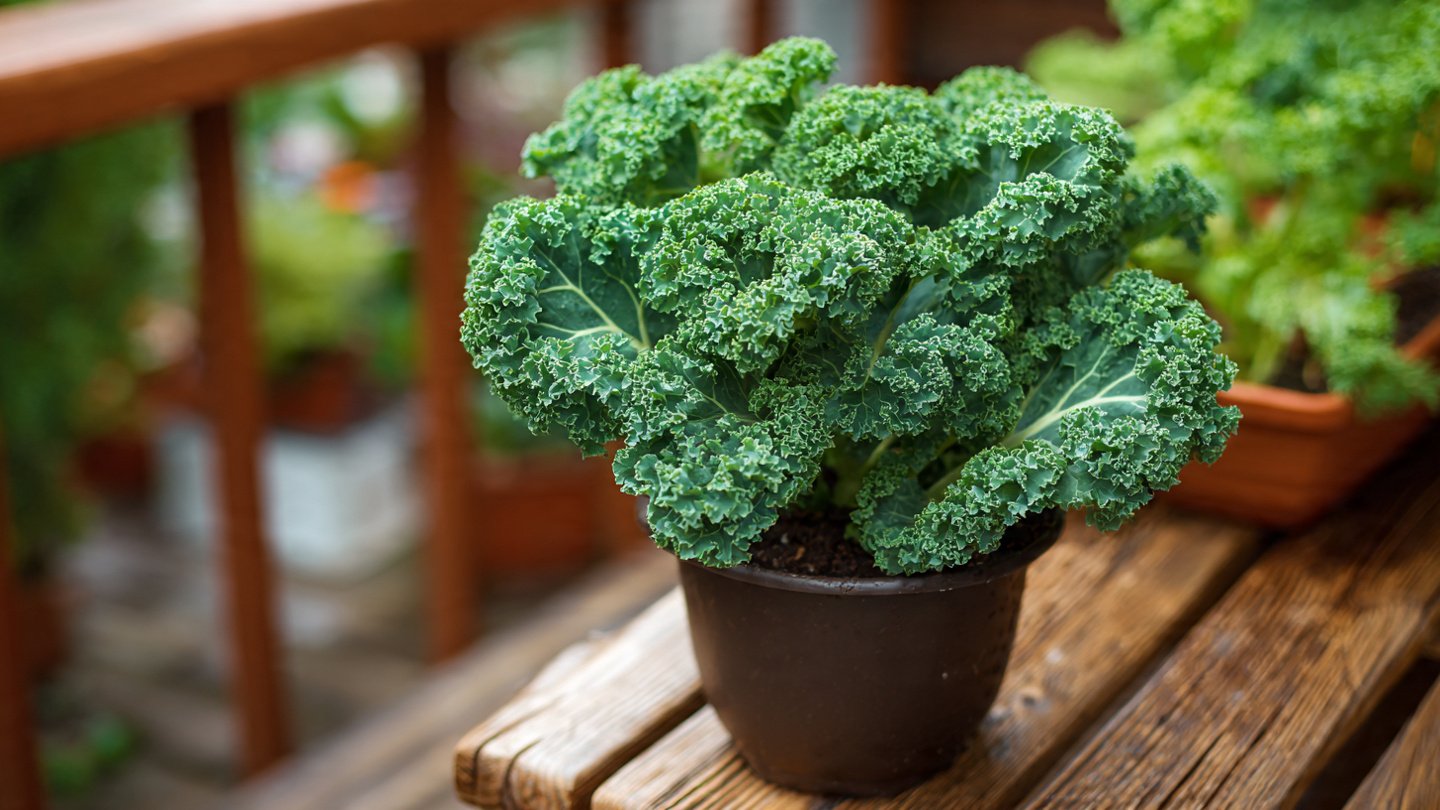
Kale has become a staple in the health-conscious kitchen, celebrated for its nutritional benefits and versatility in recipes. Whether you’re a novice gardener or simply looking to cultivate a healthier lifestyle, growing kale in containers is a manageable and rewarding venture. This guide will help you learn the simple methods to grow kale in containers, ensuring you enjoy this vibrant green leafy vegetable straight from your own patio or balcony.
Why Grow Kale in Containers?
Growing kale in containers offers various advantages:
- Space Efficiency: Container gardening is perfect for those with limited space. You can grow kale on balconies, patios, or even windowsills.
- Mobility: Containers allow you to move your plants to optimize sun exposure or protect them from harsh weather conditions.
- Control: Growing kale in containers gives you complete control over the soil quality, drainage, and watering practices.
- Pest Management: Container gardening can help minimize pest issues, as your plants are above ground and less accessible to some common garden pests.
Choosing the Right Container
1. Size Matters
For optimal root growth, choose a container that is at least 12 inches deep and wide. Kale has a relatively shallow root system but needs enough space to expand. Larger containers can accommodate multiple plants and improve overall air circulation.
2. Material Selection
Containers come in a variety of materials:
- Plastic: Lightweight and affordable but may not provide excellent insulation for roots.
- Terracotta: Aesthetic and durable but can dry out quickly, requiring more frequent watering.
- Wooden Planters: Eco-friendly and good for insulation, though they might be prone to rot if not treated.
3. Drainage
Ensure your chosen container has drainage holes at the bottom to prevent waterlogging, which can lead to root rot. If you’re using a non-drainage container, be cautious about watering.
Selecting the Right Soil
Soil quality is vital for healthy kale growth. Here’s what to consider:
1. Choose a High-Quality Potting Mix
Opt for a potting mix designed for container gardening. It should be light, well-draining, and provide essential nutrients. Avoid garden soil, as it compacts easily and may contain pests or diseases.
2. pH Level
Kale prefers slightly acidic to neutral soil, with a pH between 6.0 and 7.0. Testing kits are available at garden centers to help you assess your soil’s pH.
3. Nutrients
You can mix in organic compost or well-rotted manure to enhance soil fertility. A balanced organic fertilizer can also be added to supply extra nutrients during growth.
Choosing the Right Kale Variety
There are several kale varieties, each offering unique flavors and textures. Here are a few popular choices:
1. Curly Kale
This type of kale has a frilly appearance and is commonly used for garnishes. It has a robust flavor that becomes milder when cooked.
2. Dino Kale (Lacinato)
Deep blue-green with a complex flavor, Dino kale is less bitter than curly varieties and is excellent for salads.
3. Red Russian Kale
This variety features flat, fringed leaves with purple veins and is sweeter than other types. It’s also a fantastic addition to salads.
Choose a variety based on your taste preference and growing conditions.
Planting Kale in Containers
1. Timing
Kale thrives in cooler temperatures, making it suitable for spring and fall planting. In many regions, you can plant kale in early spring or late summer for a fall harvest.
2. Seed vs. Transplant
You can start kale from seeds or purchase young plants (transplants) from a nursery:
- Seeds: Plant seeds ¼ to ½ inch deep in the soil, spaced about 3-4 inches apart. You can thin them out later for better plant spacing.
- Transplants: If using transplants, gently remove them from their original containers and plant them at the same depth they were growing.
3. Watering
After planting, water your kale thoroughly. Regular watering is essential, especially in the first few weeks. Ensure the soil remains consistently moist, but avoid excessive watering that could lead to root rot.
Caring for Your Kale
1. Sunlight Requirements
Kale thrives in full sun but can tolerate partial shade. Aim for at least 6-8 hours of sunlight per day. If growing indoors, a south-facing window is ideal.
2. Fertilizing
Feed your kale every 3-4 weeks with a balanced fertilizer or organic compost. Kale is a heavy feeder, and regular nourishment will promote robust growth.
3. Pest and Disease Management
Common pests that may affect kale include aphids, cabbage worms, and slugs. Regularly inspect your plants, and if you identify pests:
- Handpick: Remove them manually when possible.
- Natural Pesticides: Consider using insecticidal soap or neem oil as an organic pest control option.
Furthermore, provide good air circulation around plants and avoid overhead watering to minimize disease risk.
4. Harvesting
Kale leaves can be harvested once they reach about 6 inches in length. Start by picking the outer leaves while allowing the inner leaves to continue growing. Regular harvesting encourages more leaf production and prevents the plant from bolting (flowering).
Seasonal Considerations for Growing Kale
1. Winter Protection
In colder climates, consider bringing containers indoors or using row covers to protect your plants during winter. Kale can tolerate frost, and some varieties actually taste better after being exposed to cold temperatures.
2. Companion Planting
Kale can be grown alongside companions like radishes and beets, which can help deter pests and utilize space efficiently. Certain flowers, such as marigolds, can also ward off unwanted insects.
Troubleshooting Common Issues
1. Yellowing Leaves
This could be a sign of nitrogen deficiency. Ensure you are adequately fertilizing your plants.
2. Leaf Damage
If your leaves have holes or discoloration, inspect for pests or disease. Adjust your pest management strategies as needed.
3. Slow Growth
Ensure your kale is getting enough sunlight and that the soil is well-draining. Poor lighting and compacted soil can hinder growth.
FAQs
Q1: How often should I water my kale?
A: Kale needs consistent moisture. Water when the top inch of the soil feels dry, typically once or twice a week, depending on weather conditions.
Q2: Can I grow kale indoors?
A: Yes! Place your kale containers near a south-facing window or under grow lights for adequate sunlight.
Q3: When can I start harvesting my kale?
A: You can start harvesting kale leaves when they reach about 6 inches. Regularly pick the outer leaves while allowing inner leaves to grow.
Q4: What pests should I watch for?
A: Common pests include aphids, cabbage worms, and slugs. Regular monitoring and pest control methods can help manage these issues.
Q5: Can I grow kale in the summer?
A: Kale prefers cooler temperatures, but in mild climates, you can grow it in late summer for a fall harvest. Consider using shade cloth to protect it from extreme heat.
Conclusion
Growing kale in containers is an accessible and rewarding gardening trend that enables you to enjoy fresh, nutritious greens right from your home. Following these simple methods will ensure a bountiful harvest, while offering you an opportunity to connect with nature and enjoy the fruits of your labor. Whether you’re tossing kale into salads, blending it into smoothies, or sautéing it as a side dish, your home-grown kale will surely elevate your culinary endeavors. Start your container garden today and relish in the joys of home gardening!