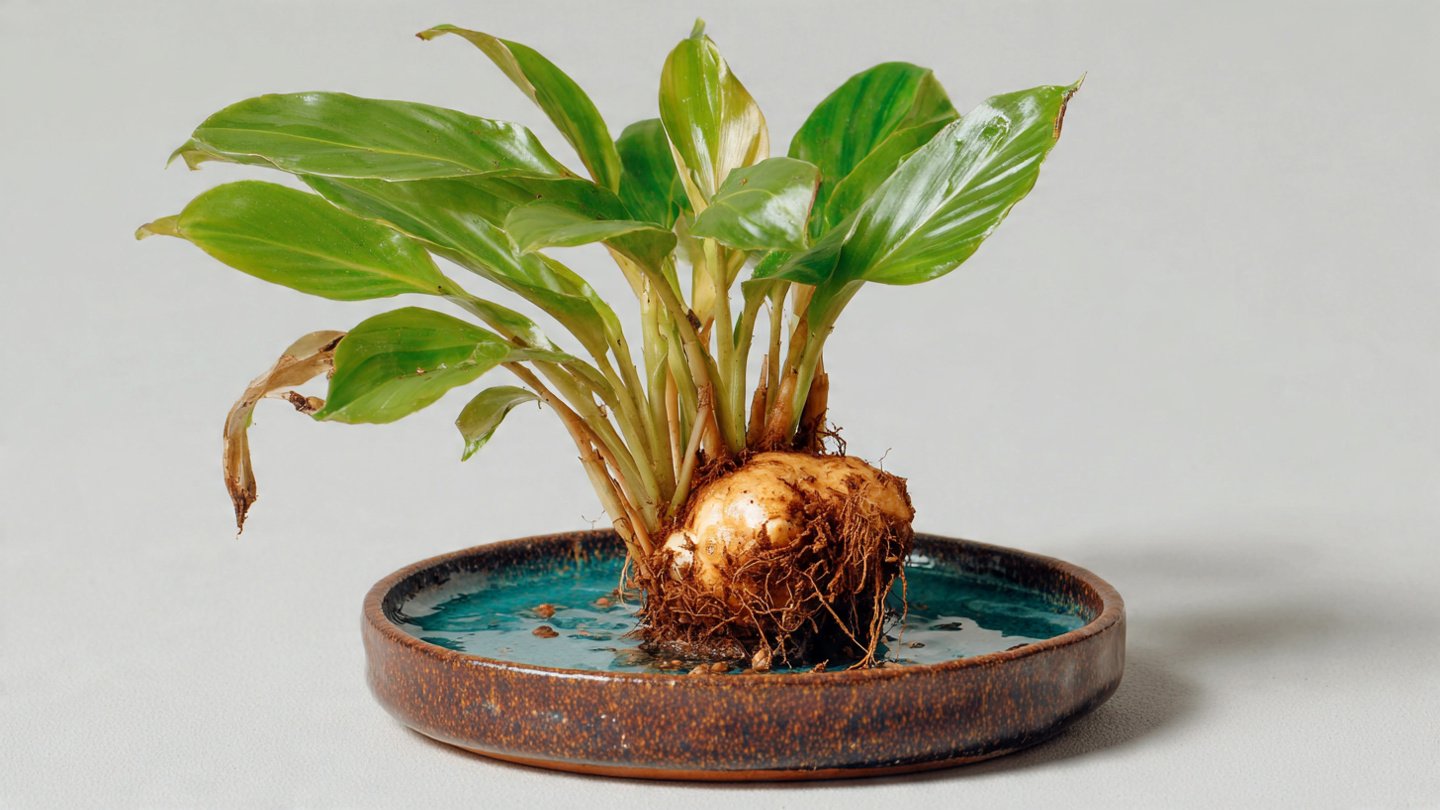
Ginger (Zingiber officinale) is not only a popular spice known for its distinctive flavor and health benefits, but it is also an easy-to-grow plant that can thrive in your home garden. Whether you have a spacious backyard or a small balcony, ginger can be cultivated in containers or garden beds. This guide will walk you through the process of growing ginger at home, from selecting the right rhizomes to harvesting and caring for your plants.
Understanding Ginger
Ginger is a tropical plant native to Southeast Asia and is widely used in cooking and traditional medicine. The part of the plant we use is its rhizome, which is the underground stem that stores nutrients. Ginger is rich in vitamins, minerals, and bioactive compounds, making it a popular choice for enhancing wellness.
Why Grow Ginger at Home?
- Freshness: Nothing beats the taste and aroma of freshly harvested ginger.
- Health Benefits: Ginger is known for its anti-inflammatory and antioxidant properties.
- Convenience: Having ginger readily available at home eliminates trips to the grocery store.
- Sustainability: Growing your own ginger contributes to a sustainable lifestyle.
Step-by-Step Guide to Growing Ginger
Step 1: Choose the Right Ginger Rhizome
When starting, look for healthy, plump ginger rhizomes. You can find these at grocery stores, farmer’s markets, or online. Choose rhizomes with visible eyes (the small buds from which new growth emerges).
Step 2: Preparing the Rhizomes
Before planting, prepare your ginger rhizome:

- Soak: Soak the rhizome in warm water overnight to promote sprouting.
- Cutting (Optional): If your rhizome is large, you can cut it into smaller pieces, ensuring each piece has at least one eye.
- Allow to Dry: Let the cut pieces dry for a day or two to form a callus on the cut surface, reducing the risk of rot.
Step 3: Selecting a Planting Container
You can grow ginger in pots, containers, or directly in the soil.
- Size: Choose a pot that is at least 12 inches deep and wide, as ginger roots spread horizontally.
- Material: Terracotta pots work well, as they allow for good drainage.
Step 4: Soil and Fertilization
Ginger prefers loose, well-draining soil with a pH of 6.0 to 6.8.
- Soil Mix: Use a mix of potting soil, sand, and compost to enhance drainage and nutrients.
- Fertilizer: Incorporate a balanced organic fertilizer into the soil before planting.
Step 5: Planting

- Planting Depth: Plant the rhizome pieces about 2-4 inches deep in the soil, with the eyes facing upwards.
- Spacing: If planting multiple pieces, space them at least 8 inches apart.
Step 6: Watering
Ginger loves moisture but does not thrive in standing water.
- Initial Watering: After planting, water the soil to ensure it’s evenly moist.
- Maintenance: Water regularly, keeping the soil moist but not soggy. Check the moisture by sticking your finger into the soil; if it feels dry, it’s time to water.
Step 7: Light and Temperature
Ginger prefers indirect sunlight and a warm atmosphere.
- Light: Ideally, provide 4-6 hours of filtered sunlight daily. If indoors, place near a sunny window or use grow lights.
- Temperature: Ginger thrives in temperatures between 70°F to 85°F (21°C to 29°C). Protect it from frost and extreme cold.
Step 8: Care and Maintenance
- Mulching: Add a layer of organic mulch to retain moisture and suppress weeds.
- Pest Control: Keep an eye out for pests such as aphids and spider mites. Use natural remedies like neem oil if necessary.
- Fertilizing: Feed your ginger every 4-6 weeks with a balanced fertilizer or compost to promote healthy growth.
Step 9: Harvesting Ginger
Ginger plants take about 8-10 months to mature, depending on the variety and growing conditions.
- Signs of Maturity: The leaves will begin to yellow and die back when the plant is ready to be harvested.
- How to Harvest: Gently dig around the rhizome with a trowel, being careful not to damage it. You can harvest a portion of the rhizome while leaving the rest in the ground to continue growing.
Step 10: Storing Ginger
Fresh ginger can be stored in several ways:
- Refrigeration: Place unpeeled ginger in a paper bag or wrap it in a paper towel, then place it in a plastic bag in the refrigerator.
- Freezing: Peel and slice the ginger, then store it in an airtight container or freezer bag.
Troubleshooting Common Problems
- Yellowing Leaves: This may indicate overwatering or underwatering. Ensure proper drainage and adjust your watering schedule accordingly.
- Pests: Check for signs of pests and intervene early with natural treatments.
- Fungal Diseases: Root rot can occur if soil is too wet. Make sure to provide proper drainage and avoid overwatering.
FAQ Section
1. How long does it take for ginger to grow?
Ginger typically takes about 8-10 months to mature. You’ll see some growth in the first few weeks, but patience is key for a good harvest.
2. Can I grow ginger indoors?
Yes, ginger can be successfully grown indoors as long as it receives adequate light (4-6 hours of indirect sunlight) and warmth. Using a grow light can also be beneficial.
3. Do I need special soil for growing ginger?
Ginger prefers loose, well-draining soil with a slightly acidic pH (6.0-6.8). A mix of potting soil, sand, and compost works well.
4. How do I know when to harvest ginger?
You can harvest ginger when the leaves start to yellow and die back, usually around 8-10 months after planting.
5. Can I use store-bought ginger for planting?
Yes, you can use store-bought ginger, but look for organic ginger with visible eyes. Avoid treated ginger that may prevent sprouting.
6. How often should I water ginger?
Water ginger regularly to keep the soil consistently moist, but avoid waterlogging. Check the soil moisture before watering.
7. What pests should I watch for when growing ginger?
Common pests include aphids, spider mites, and mealybugs. Regularly inspect your plants and use natural pest management methods if needed.
8. Can I grow ginger in a garden bed?
Yes, ginger can be grown in a garden bed as long as the soil is well-draining and you provide adequate sunlight and moisture.
9. Is ginger a perennial plant?
Ginger is considered a perennial in tropical regions but is usually grown as an annual in cooler climates.
10. What are the health benefits of ginger?
Ginger is known for its anti-inflammatory, antioxidant, and digestive benefits. It can help alleviate nausea, reduce muscle pain, and may support heart health.
Conclusion
Growing ginger at home is a rewarding endeavor that offers fresh produce and various health benefits. With the right preparation and care, even beginners can succeed in cultivating this versatile plant. So grab some rhizomes, get your gardening tools ready, and embark on your ginger-growing journey!