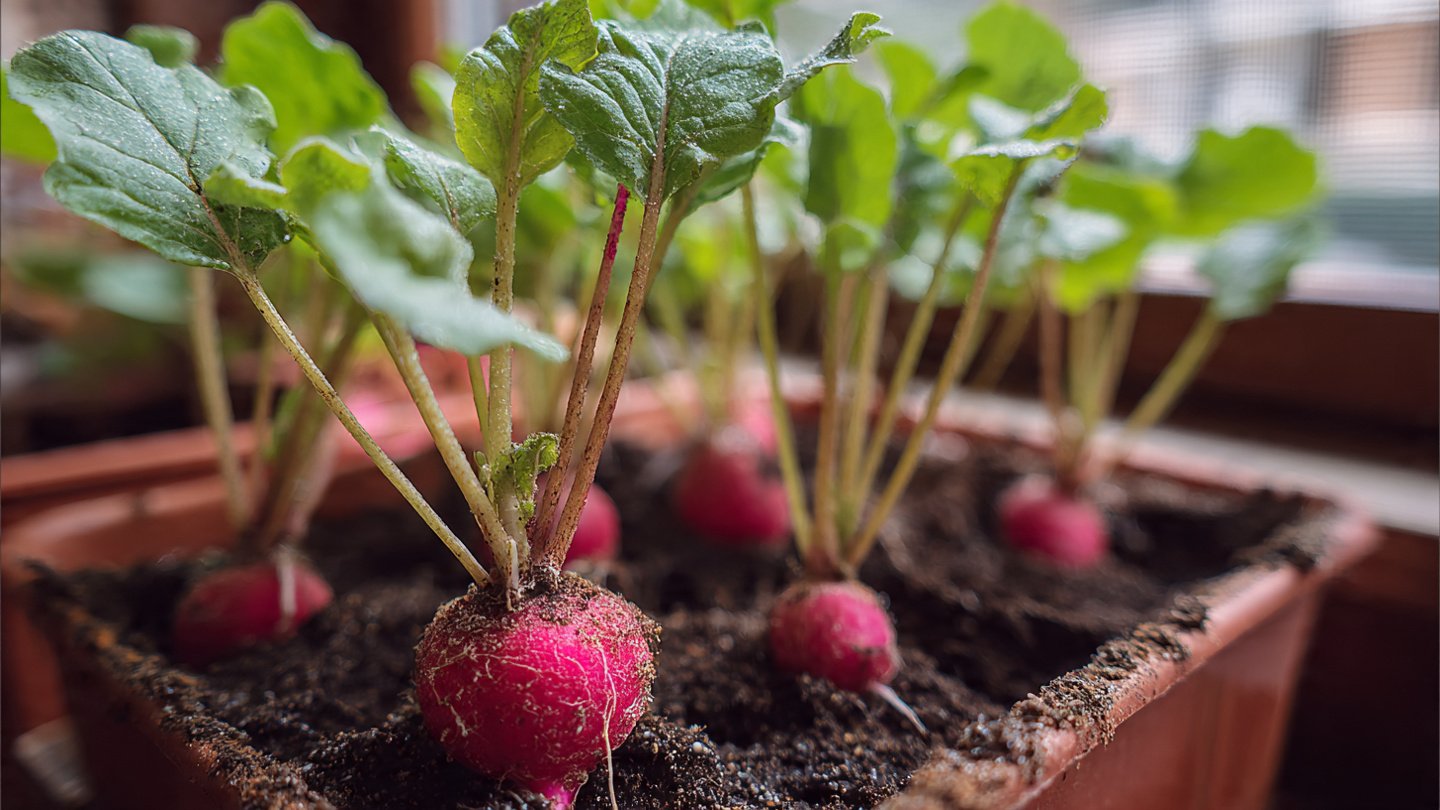
Radishes are a great addition to any home garden, thanks to their rapid growth and the myriad of culinary uses. If you’re looking to start your own vegetable garden, radishes are an excellent choice for beginners and seasoned gardeners alike. In this guide, we will explore everything you need to know for cultivating radishes quickly and efficiently right at home.
Understanding Radishes
Before diving into the specifics of growing radishes, let’s first understand these vibrant vegetables. Radishes belong to the Brassicaceae family, which also includes broccoli, cabbage, and kale. They are commonly known for their crunchy texture and zesty flavor, often enjoyed in salads, as garnishes, or even pickled.
Varieties of Radishes
There are many types of radishes, but the most common varieties include:
- Red Globe Radishes: The classic, round, red radish that is often found in grocery stores.
- Daikon Radishes: These are long, white radishes that are commonly used in Asian cuisine.
- Black Radishes: Known for their dark skin and robust flavor.
- Watermelon Radishes: These have a greenish-white exterior with a striking pink interior.
Each variety can have its unique growing requirements, but most radishes are quick to sprout and simple to care for.
Ideal Growing Conditions
Choosing the Right Location
Radishes are a cool-season crop, meaning they thrive best in cooler temperatures (between 50°F to 70°F or 10°C to 21°C). When selecting a location for your radish garden, consider the following:
- Sunlight: Choose a spot that receives at least 6 hours of sunlight per day.
- Soil: Radishes prefer well-draining, loamy soil enriched with organic matter.

Soil Preparation
Preparing the right soil is crucial for fast radish growth. Follow these steps to ensure your radishes have the best possible conditions:
-
Test Your Soil: Use a home soil testing kit to determine pH and nutrient levels. Radishes prefer a slightly acidic to neutral pH (between 6.0 and 7.0).
-
Remove Debris: Clear the area of any weeds, rocks, or old plant material.
-
Amend the Soil: Mix in compost or well-rotted manure to improve soil fertility and drainage. Incorporate about 1 to 2 inches (2.5 to 5 cm) of organic material into the top 6 inches (15 cm) of soil.
-
Tilling and Leveling: Til the soil to an even texture and level the area to ensure even water distribution.
Planting Radishes
Once your soil is prepared, you are ready to plant your radish seeds.
When to Plant
The best time to plant radishes is from early spring to late fall. In most regions, you can sow radish seeds in early March, and they can even be grown in the fall until a light frost.
Seed Sowing

-
Select Your Radish Variety: Choose a variety that suits your culinary needs and local climate.
-
Planting Depth: Sow seeds about ½ inch (1.25 cm) deep.
-
Spacing: Space seeds about 1 inch (2.5 cm) apart in rows that are 12 inches (30 cm) apart. This allows enough room for radishes to grow without competition.
-
Watering: After planting, water the area lightly but thoroughly to ensure good soil moisture.
Care and Maintenance
Watering
Radishes require consistent moisture, especially during the germination stage. Here are some tips for proper watering:
- Water radishes once or twice a week, depending on the weather conditions. If it’s particularly hot or dry, increase watering.
- Water in the early morning or late afternoon to minimize evaporation.
Fertilization
While radishes don’t need excessive fertilization, a light feeding can promote growth. About two weeks after planting:
- Apply a granular fertilizer rich in phosphorus, as it promotes root development. A balanced fertilizer with an N-P-K ratio like 5-10-10 can work well.
- Follow the manufacturer’s instructions to avoid over-fertilizing.

Weeding
Regular weeding is essential to prevent competition for nutrients. Hand-pull weeds when they are small to avoid disrupting the radish roots.
Thinning Seedlings
Once your radishes are about 2 inches (5 cm) tall, thin the seedlings to provide adequate space (up to 2 inches apart). This helps your radishes grow larger and healthier.
Pest and Disease Management
Radishes can fall victim to various pests and diseases. Here’s what to watch for:
Common Pests
- Aphids: Small, sap-sucking insects that can deform leaves. Use insecticidal soap or introduce beneficial insects like ladybugs.
- Flea Beetles: These tiny black or brown beetles create holes in leaves. Row covers can help keep them away.
Diseases
- Downy Mildew: A fungal disease that affects leaves. Ensure good air circulation and avoid overhead watering to prevent this issue.
- Clubroot: A soil-borne disease that affects root development. Rotate crops yearly to minimize risk.
Harvesting Radishes
One of the best parts about growing radishes is that they mature quickly. Depending on the variety, radishes can be ready to harvest in as little as 3 to 6 weeks after sowing.

Signs of Maturity
- Size: Radishes should be about 1 inch (2.5 cm) in diameter, but this can vary by variety.
- Color: Depending on the variety, mature radishes will display their characteristic color.
Harvesting Techniques
- Gently loosen the soil around the bulb with your hands.
- Pull the radish from the base, ensuring you do not break the root.
Storing Radishes
If you’re not eating your radishes immediately, it’s essential to store them correctly to preserve their flavor and crunch.
-
Remove Greens: Cut off the tops to prevent moisture loss.
-
Storage Method: Place radishes in a breathable container, such as a paper bag or perforated plastic bag, and store them in the refrigerator.
-
Shelf Life: Properly stored radishes can last up to two weeks in the refrigerator.
Conclusion
Growing radishes at home is not only rewarding but also a fantastic way to enhance your culinary endeavors. With a little attention to their growing conditions, consistent care, and proper harvesting techniques, you can enjoy a bountiful radish crop in no time.

By understanding the specific needs of radishes and following the steps outlined in this guide, you will be well on your way to growing these delicious root vegetables efficiently and successfully.
FAQs
Q1: How often do I need to water my radishes?
A1: Water radishes once or twice a week, depending on the local weather. Ensure the soil remains consistently moist, especially during the germination phase.
Q2: Can radishes grow in containers?
A2: Yes! Radishes can be grown in containers as long as they have adequate depth and drainage. Choose containers that are at least 6-12 inches (15-30 cm) deep for optimal growth.
Q3: What are the best companion plants for radishes?
A3: Radishes grow well alongside cucumbers, lettuce, and peas. Avoid planting near members of the Brassicaceae family, like broccoli or cabbage, to prevent nutrient competition.
Q4: When should I plant radishes for the best yield?
A4: Plant radishes in early spring or late summer, as they thrive in cooler temperatures. For fall crops, sow seeds about 6-8 weeks before the first expected frost.
Q5: How can I tell if my radishes are ready to harvest?
A5: Radishes are typically ready to harvest when they reach about 1 inch (2.5 cm) in diameter and have color characteristic of their variety. They can be pulled from the soil easily when ready.
Q6: Do radishes need fertilizer?
A6: While not mandatory, a light application of fertilizer can assist in growth. Apply a balanced fertilizer about two weeks after sowing to promote healthy development.
By following these guidelines and nurturing your plants with care, you’ll soon be able to enjoy fresh, home-grown radishes right from your garden! Happy gardening!