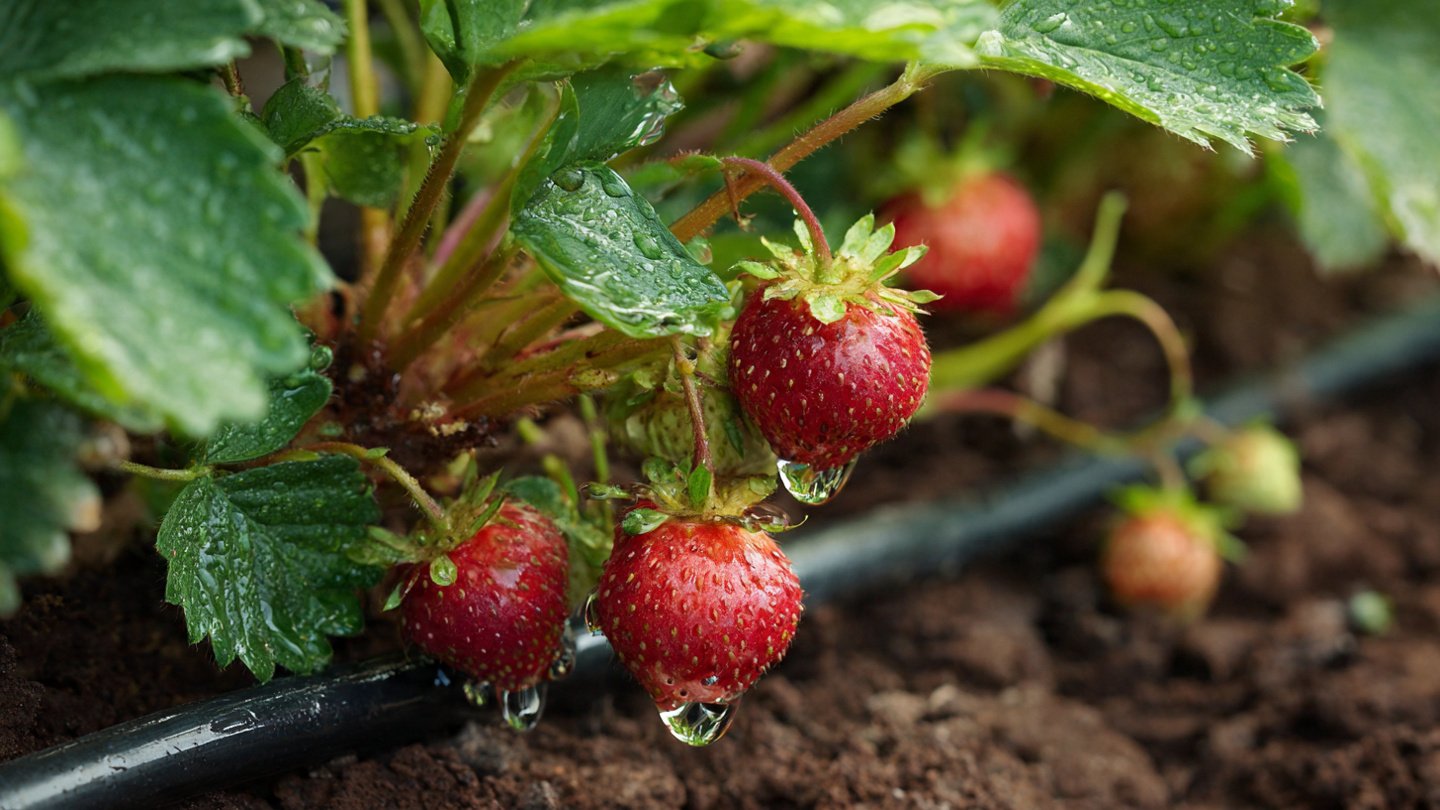
As gardening enthusiasts seek more efficient, eco-friendly ways to care for their plants, the simple clay pot irrigation system has emerged as a popular solution for watering crops, especially for berries. This technique combines simplicity and effectiveness, allowing gardeners to keep their plants hydrated without the constant need for manual watering. In this article, we will explore how this system works, its benefits, and a step-by-step guide on how to set it up in your garden.
Understanding the Clay Pot Irrigation System
The clay pot irrigation system, also known as “olla” irrigation, is a traditional method that has been used for centuries in various cultures. The technique involves burying an unglazed clay pot filled with water into the soil near the root zone of plants. The porous material allows water to seep out slowly, providing a consistent moisture supply to the surrounding soil. This passive watering system is not only efficient but also remarkably straightforward to implement.
Benefits of the Clay Pot System
This irrigation method offers several advantages for berry cultivation:
- Water Efficiency: The clay pots minimize water evaporation and runoff, making it an efficient watering method, especially in hot climates.
- Consistent Moisture: Plants receive a steady supply of hydration, reducing the risk of over or under-watering.
- Weed and Pest Management: The buried pots create a localized watering environment, which can lead to reduced weed growth and fewer pests.
- Less Labor-Intensive: With the clay pot system, gardeners are spared from frequent watering duties, allowing them more time for other gardening tasks.

Setting Up a Clay Pot Irrigation System for Your Berries
Here’s a step-by-step guide to establishing your clay pot irrigation system:
Materials Needed
- Unclazed clay pots (medium-sized for best results)
- Soil test kit (optional)
- Mulch (for covering soil)
- Water
Step-by-Step Instructions

- Select the Right Location: Choose an area in your garden where you plan to grow your berries. Ensure it receives adequate sunlight and has good drainage.
- Prepare the Soil: If you’re planting directly into the ground, aerate the soil and test its moisture levels to determine its suitability for berry cultivation.
- Bury the Clay Pots: Dig a hole for each clay pot, ensuring that the top rim is level with the soil surface. This keeps the watering consistent and prevents debris from entering the pot.
- Plant Your Berries: Space your berry plants around the buried pots, allowing them access to the moisture released from the clay.
- Fill the Pots: Once everything is in place, fill the clay pots with water. This will initiate the soak through the porous walls.
- Regular Maintenance: Check the water levels in the pots regularly, especially in hot weather. Refill them as needed.
- Mulch the Area: Apply a layer of mulch around the plants to help retain soil moisture and suppress weeds.
Why Berry Plants Thrive with This Method
Berries, such as strawberries, raspberries, and blueberries, have relatively shallow root systems. The clay pot system is particularly beneficial for these plants because it delivers water directly to the root zone. This reduces water competition from weeds and helps prevent diseases that can arise from overwatering, such as root rot. Additionally, the consistent hydration helps enhance the flavor and yield of the fruits, resulting in healthier plants and juicier berries.
Environmental Impact

One of the most significant advantages of the clay pot irrigation system is its environmental sustainability. By using less water than traditional irrigation methods, it conserves this precious resource. Furthermore, the use of natural materials like clay reduces reliance on synthetic watering systems and encourages a return to more traditional, sustainable gardening practices.
Conclusion
Incorporating a simple clay pot irrigation system into your gardening practices can profoundly benefit your berry cultivation efforts. This age-old method not only conserves water but also provides consistent moisture, enhances plant health, and reduces labor. As you witness the fruits of your labor flourish, you will appreciate the beauty of combining traditional techniques with modern gardening challenges. Whether you have a small backyard or a larger garden, using clay pots can simplify your watering routine and improve the quality of your berries.
Frequently Asked Questions (FAQs)
1. How often do I need to refill the clay pots?
The frequency of refilling will depend on your climate, soil type, and the size of the clay pot. In hot weather, you might need to refill every few days, while in cooler seasons, every week may suffice.

2. Can I use any type of clay pot?
It’s best to use unglazed clay pots since they allow for proper water seepage. Avoid using glazed or painted pots, as they can trap moisture inside, defeating the purpose of this irrigation method.
3. Is this irrigation system suitable for other plants?
Yes! While it is especially beneficial for berries, you can use this system for various plants, particularly those with shallow root systems such as herbs and vegetables.
4. What maintenance does this system require during winter?
In colder climates, it’s wise to empty the clay pots to prevent cracking from frozen water. You can use seasonal mulching to help insulate the plants during colder months.

5. Can I combine this system with other irrigation methods?
Absolutely! Many gardeners successfully combine clay pots with drip irrigation or soaker hoses for added efficiency, especially in larger gardens or commercial setups.