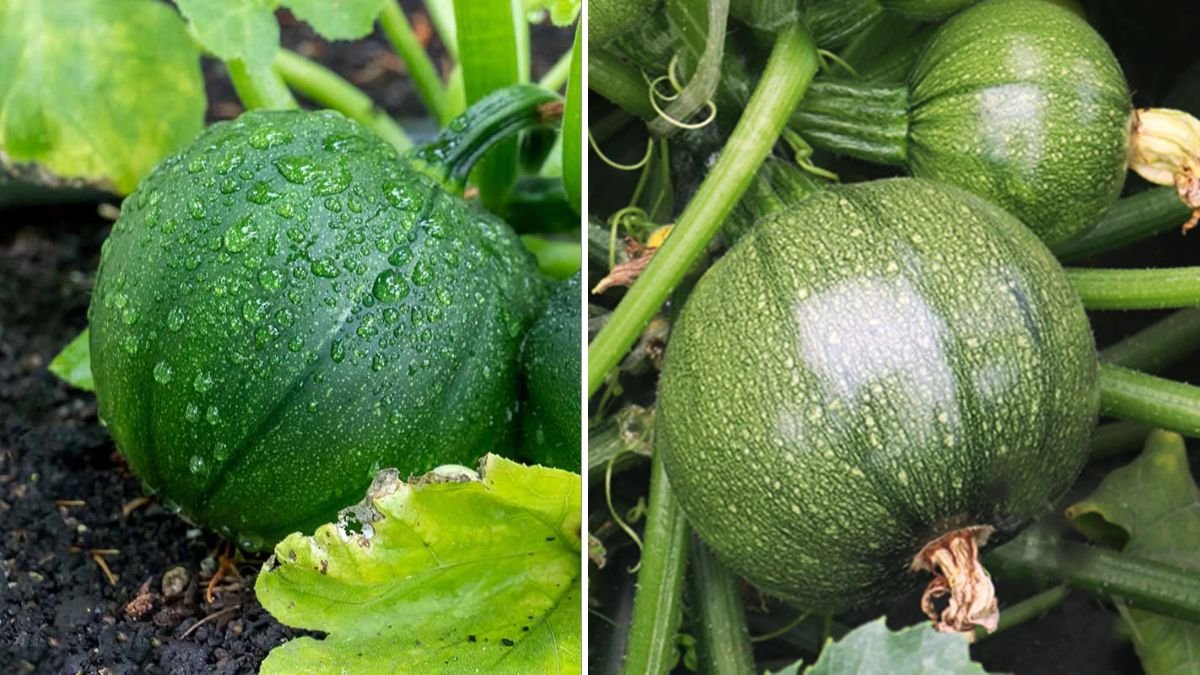
Growing zucchini at home can be easy, cost-effective, and environmentally friendly. One innovative way to do this is by reusing old diaper bags. Instead of discarding them, these bags can serve as unique containers that provide ample space for zucchini roots to grow. By combining proper soil, drainage, and sunlight, you can turn discarded diaper bags into thriving zucchini gardens. This approach not only saves money but also reduces plastic waste. In this guide, we will explain step by step how to grow super fruit zucchini using diaper bags.
1. Why Use Diaper Bags for Zucchini?
Reusing diaper bags for gardening is both eco-friendly and practical. These bags are made of durable materials that can hold soil without tearing. They provide sufficient depth for zucchini roots, allowing strong plant growth. Additionally, they are lightweight and portable, which makes moving the plants easier. The material allows for some air circulation, preventing root rot. By reusing, you also reduce environmental waste, making your gardening sustainable. Finally, these bags can fit in small spaces, ideal for balcony or patio gardening.
2. Choosing the Right Diaper Bag
Not all diaper bags are suitable for gardening. Select bags that are large, sturdy, and have no leaks. Canvas or thick nylon bags work best. Avoid thin or decorative bags that might tear under soil weight. Check if the bag can be modified to add drainage holes. Handles should be strong if you plan to move the bag around. Bags with compartments can be useful for separating soil layers or planting multiple seeds. The size should allow at least 8–10 inches of soil depth.
3. Preparing Diaper Bags for Planting
Before planting, wash the bag to remove residues and odor. Cut small drainage holes at the bottom to prevent waterlogging. If the bag has a liner, consider removing it to improve drainage. Place a layer of small stones or pebbles at the bottom for extra drainage. Line the interior with a breathable fabric if the material is not porous. Ensure the bag can stand upright by reinforcing it with stakes or a small wooden frame. This preparation ensures a healthy root environment for zucchini growth.

4. Choosing Zucchini Varieties
Certain zucchini varieties thrive in container gardening. Choose compact or bush varieties like ‘Black Beauty’ or ‘Bush Baby.’ These types produce more fruits in small spaces. Consider hybrid varieties for faster growth and disease resistance. Opt for organic seeds if possible. The seeds should be fresh and viable. Planting multiple seeds per bag can ensure at least one successful plant. Variety selection is critical to achieve a super fruit yield in limited space.
5. Soil Mix for Zucchini
Zucchini requires rich, well-draining soil. Mix garden soil, compost, and cocopeat in equal proportions. Adding perlite improves aeration and drainage. Organic fertilizers like worm castings enhance nutrient content. Avoid heavy clay soils that retain too much water. A balanced pH between 6.0–7.0 is ideal. Fill the diaper bag 2/3 full to allow space for watering. Proper soil ensures robust zucchini plants and large fruit production.
6. Planting Zucchini Seeds
Plant seeds 1–2 inches deep in the soil. Water gently to avoid washing away the seeds. Cover lightly with soil and mark the spot. Maintain a spacing of at least 4–6 inches between seeds if planting multiple. Keep the soil consistently moist but not waterlogged. Place the bags in a sunny location with at least 6–8 hours of sunlight. Germination typically occurs within 7–10 days. Proper planting ensures strong seedlings for future fruiting.
7. Watering and Drainage Tips
Zucchini prefers consistent moisture for optimal growth. Water whenever the top 1 inch of soil feels dry. Avoid overwatering as it can cause root rot. The drainage holes in the diaper bag allow excess water to escape. Using a watering can or drip irrigation ensures even watering. Morning watering is preferable to prevent fungal growth. Mulching can help retain moisture and regulate temperature. Well-watered zucchini produce larger, healthier fruits.

8. Fertilization Schedule
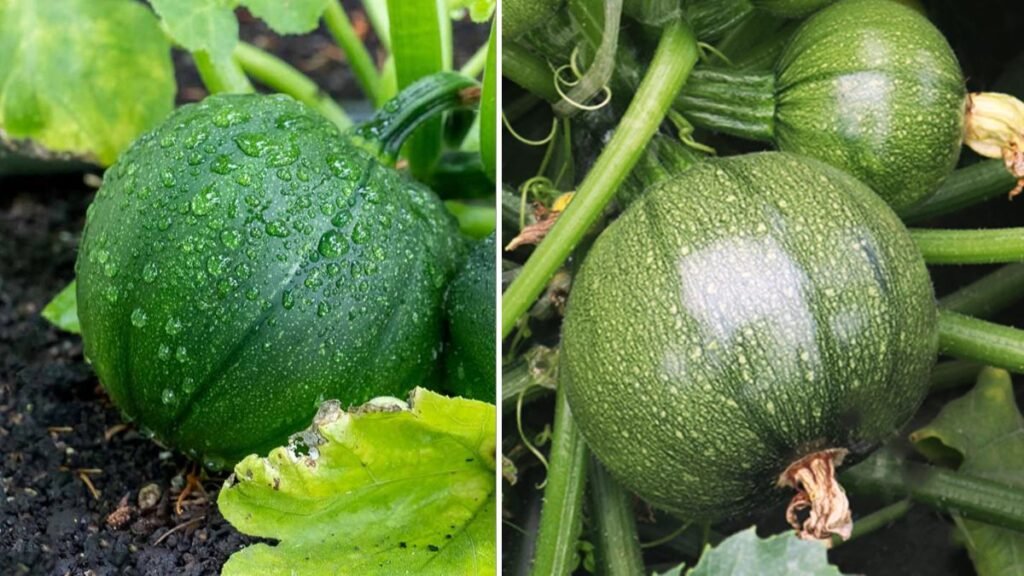
Feed zucchini plants with balanced organic fertilizers every 2–3 weeks. Use nitrogen-rich fertilizers during vegetative growth. Switch to phosphorus and potassium-rich fertilizers when flowers appear. Liquid fertilizers can be applied as a foliar spray for quick nutrient absorption. Avoid chemical fertilizers if growing organically. Track plant health and adjust fertilization based on growth. Adequate nutrition increases fruit size and yield.
9. Supporting Zucchini Plants
Even in bags, zucchini may need support for stems. Use small stakes or trellises to prevent stems from breaking. Bush varieties need minimal support, but larger varieties benefit from staking. Tie stems loosely to avoid restricting growth. Proper support keeps fruits off the soil, reducing pest infestation. This method ensures cleaner and healthier zucchini harvests.
10. Pest and Disease Management
Container zucchini is less prone to pests but still requires monitoring. Watch for aphids, squash bugs, and powdery mildew. Neem oil spray or organic pesticides are effective. Ensure proper air circulation around bags to prevent fungal diseases. Remove any yellow or damaged leaves promptly. Rotate plants if possible to minimize soil-borne diseases. Healthy plants lead to bigger and tastier fruits.
11. Pollination Tips
Zucchini requires pollination for fruit production. Hand-pollinate flowers if natural pollinators are scarce. Use a small brush to transfer pollen from male to female flowers. Ensure flowers are open and healthy during pollination. Successful pollination increases fruit set and size. This simple technique guarantees a super fruit harvest.

12. Pruning and Maintenance
Remove dead leaves and damaged stems regularly. Pruning encourages better airflow and sunlight penetration. Trim excess shoots to focus energy on fruit production. Check soil moisture and nutrient levels weekly. Keep bags clean to prevent mold or algae growth. Regular maintenance ensures continuous fruiting and plant health.
13. Harvesting Zucchini
Zucchini fruits are best harvested when 6–8 inches long. Cut fruits carefully with a sharp knife to avoid damaging stems. Frequent harvesting encourages more fruit production. Store harvested zucchini in a cool, dry place. Regular harvesting prevents overripe fruits from hindering plant growth. Proper timing ensures maximum yield and taste.
14. Benefits of Growing Zucchini in Bags
Using diaper bags reduces gardening costs and waste. It allows growing in limited spaces like balconies or patios. Zucchini grows faster and produces more fruits in controlled soil. It provides fresh, organic vegetables for home use. Bag gardening is portable and flexible. It’s an excellent way to engage kids in eco-friendly gardening.
15. Common Challenges and Solutions
Some challenges include root rot, overwatering, and pests. Ensure proper drainage and avoid waterlogging. Regularly inspect for pests and use organic control methods. Reinforce bags to prevent tipping over. Choose disease-resistant varieties to minimize losses. These solutions help maintain a healthy zucchini garden.
16. Eco-Friendly Gardening Practices
Reusing diaper bags aligns with sustainable gardening. Composting kitchen waste enriches soil naturally. Rainwater harvesting reduces water consumption. Avoid chemical pesticides to protect beneficial insects. These practices contribute to environmental health while producing abundant zucchini.
17. Extending the Growing Season
Protect bags from frost by bringing them indoors or covering with plastic sheets. Start seeds indoors during colder months. Use mulch to retain soil warmth. Extend sunlight exposure with reflective surfaces. With these methods, zucchini can be harvested almost year-round.
18. Creative Uses of Extra Zucchini
Extra zucchini can be used in various recipes like stir-fries, soups, and baked dishes. Preserve zucchini by freezing or pickling. Donate surplus produce to neighbors or local charities. Growing zucchini in bags promotes healthy eating and reduces food waste.
19. Tracking Growth and Yield
Keep a gardening journal to track watering, fertilization, and harvest dates. Record plant height, number of flowers, and fruits per plant. Tracking helps identify patterns and improve future yields. This method ensures continuous improvement in container gardening.

20. Conclusion
Reusing diaper bags for zucchini gardening is innovative, eco-friendly, and highly productive. With proper soil, watering, fertilization, and care, you can harvest super fruits even in limited spaces. This method encourages sustainable practices and provides fresh, organic vegetables. Start today, and turn discarded diaper bags into a green oasis filled with delicious zucchini.