1. Introduction
Growing eggplants usually requires garden beds or large containers, but this plastic bottle hack completely changes that belief. By using recycled plastic bottles, eggplants can thrive even in limited spaces. This method is affordable, eco-friendly, and surprisingly productive. Many gardeners are shocked by the results. The plants grow healthy and produce large fruits. This approach is perfect for balconies and rooftops. Waste materials are transformed into productive gardens. This article explains every step clearly.
2. Why Eggplants Grow Well in Bottles
Eggplants have adaptable root systems that grow well in containers. Plastic bottles retain moisture efficiently. They allow precise watering control. Bottles reduce soil-borne diseases. Warmth is maintained around roots. The compact space encourages focused growth. Bottles are easy to move for sunlight. These benefits make bottles ideal for eggplants.
3. Choosing the Right Plastic Bottles
Large bottles are best for eggplants. Five-liter water bottles work well. Thick plastic provides stability. Avoid bottles that contained chemicals. Clean bottles thoroughly before use. Transparent bottles should be painted to block light. Proper bottle size supports root expansion. Container choice affects fruit size.
4. Preparing Bottles for Planting
Cut the top portion cleanly. Create drainage holes at the bottom. Add small stones for drainage. Place bottles on trays or racks. Ensure bottles are stable against wind. Label bottles for easy tracking. Proper preparation prevents waterlogging. This step ensures healthy roots.

5. Soil Mix for Maximum Growth
Eggplants need nutrient-rich soil. Mix garden soil, compost, and sand. Compost boosts fertility. Loose soil improves drainage. Avoid compact soil mixes. Slight acidity benefits eggplants. Organic matter supports root health. Good soil leads to bigger fruits.
6. Selecting Eggplant Varieties
Compact varieties are ideal for bottles. Hybrid types resist pests. Local varieties adapt better to climate. Avoid large bushy types. Fast-maturing varieties give quicker harvests. Healthy seeds ensure strong plants. Variety selection impacts productivity. Choose wisely for best results.
7. Planting Eggplants in Bottles
Plant one seedling per bottle. Avoid overcrowding roots. Plant at the correct depth. Water gently after planting. Seedlings establish quickly. Remove weak sprouts if needed. Early care builds strong plants. Proper planting ensures stability.
8. Sunlight Requirements
Eggplants need full sunlight. Six to eight hours daily is ideal. Place bottles in sunny areas. Rotate bottles regularly. Morning sunlight is best. Insufficient light reduces flowering. Proper light improves fruit color. Sun exposure is crucial.
9. Watering Practices
Water consistently but avoid excess. Bottles dry faster than ground soil. Check moisture daily. Morning watering is ideal. Reduce watering during rainy days. Balanced moisture prevents root rot. Proper drainage is essential. Consistent watering supports growth.
10. Fertilizing for Bigger Fruits
Apply compost every two weeks. Use organic liquid fertilizer during flowering. Avoid excessive nitrogen. Potassium boosts fruit size. Feed lightly but regularly. Organic nutrients improve taste. Balanced feeding strengthens plants. Nutrition determines yield.
11. Supporting Eggplant Plants
Eggplants grow tall and heavy. Use wooden sticks for support. Tie stems gently. Support prevents bending. Good airflow reduces disease. Heavy fruits need stability. Structural support increases yield. Proper care prevents breakage.
12. Flowering Stage Care
Flowers appear after vegetative growth. Stress causes flower drop. Maintain steady watering. Ensure adequate sunlight. Avoid moving plants frequently. Natural pollination occurs easily. Healthy flowers produce fruits. This stage is critical.

13. Pest and Disease Control
Common pests include aphids and mites. Neem oil spray works effectively. Inspect leaves regularly. Remove infected parts early. Good airflow prevents fungal issues. Clean surroundings reduce pests. Organic control ensures safe harvest.
14. Fruit Development
Fruits grow quickly after flowering. Support heavy fruits if needed. Avoid water stress. Regular feeding improves size. Bottles keep fruits clean. Healthy plants produce continuously. Monitor growth closely. Proper care ensures quality fruits.
15. Harvesting Eggplants
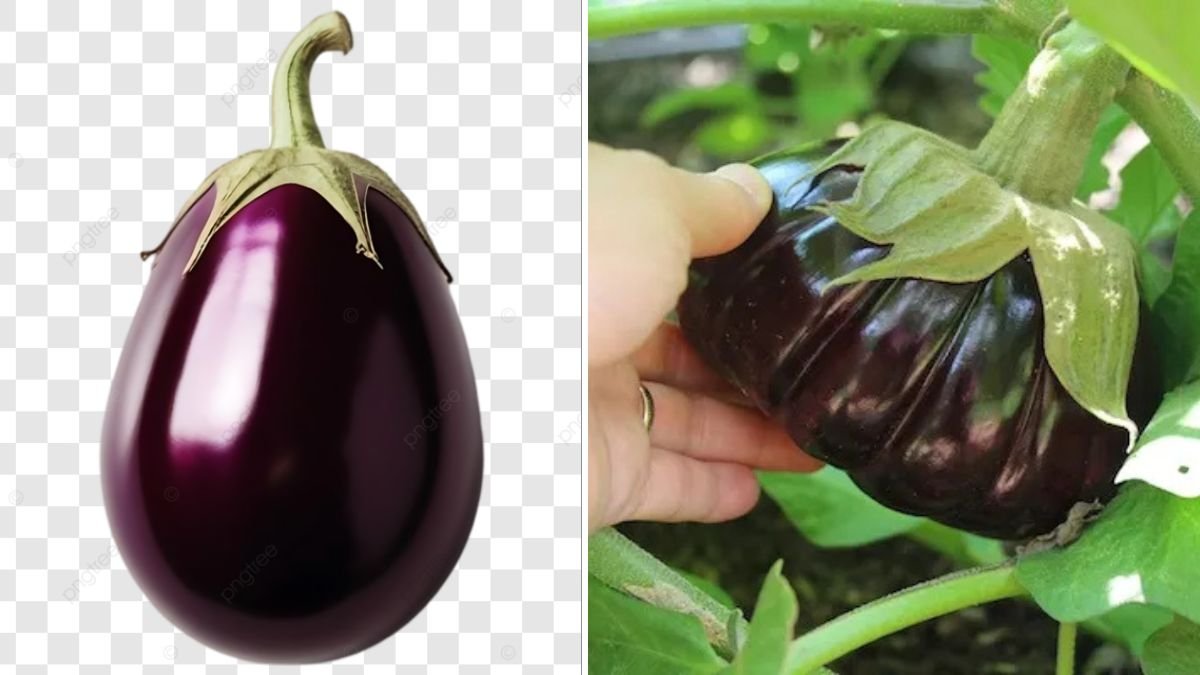
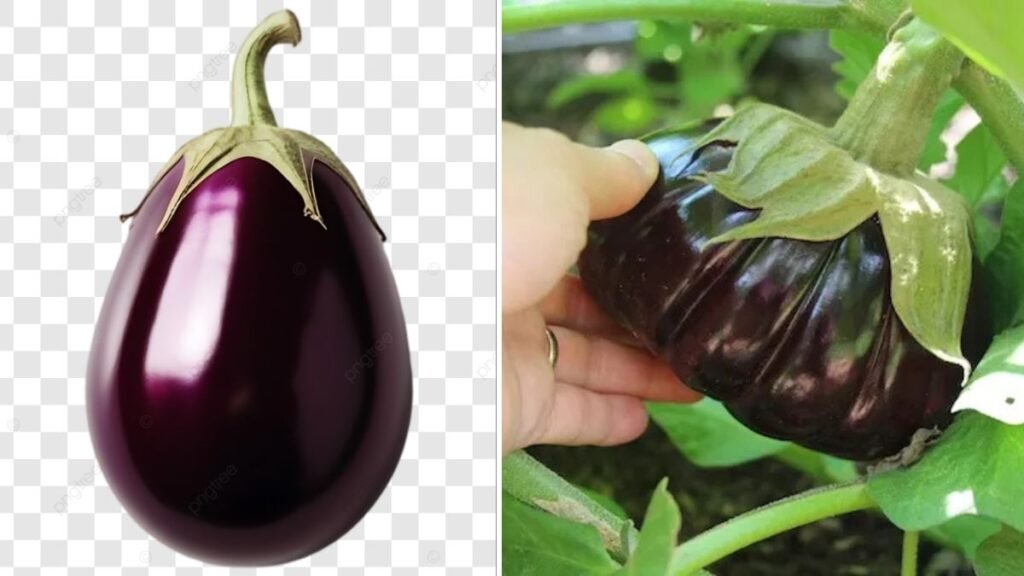
Harvest when fruits are glossy and firm. Use scissors or knife. Cut gently without damaging stems. Do not over-ripen fruits. Frequent harvesting encourages production. Morning harvest gives best freshness. Handle fruits carefully. Proper timing improves taste.
16. Yield Results That Shock
Each bottle produces multiple eggplants. Fruits are often larger than expected. Growth is faster than ground planting. Space efficiency is impressive. Balcony gardeners achieve high yield. This method surprises many growers. Results prove innovation works. Small containers deliver big harvests.
17. Seasonal Growing Tips
Eggplants love warm weather. Protect plants from cold winds. Provide shade during extreme heat. Adjust watering seasonally. Bottles adapt easily to climate. Seasonal care improves success. Timing affects productivity. Climate awareness matters.
18. Environmental Benefits
Reusing plastic bottles reduces waste. Balcony gardening improves air quality. Organic methods protect soil health. Home gardening reduces food miles. Sustainable practices benefit cities. Recycling supports eco-living. Small actions matter. This method supports sustainability.
19. Eggplant Bottle Gardening Table
| Item | Purpose | Benefit |
|---|---|---|
| Plastic bottle | Container | Space saving |
| Eggplant seedling | Planting | Healthy growth |
| Compost | Nutrition | Bigger fruits |
| Support stick | Stability | Upright plant |
| Neem oil | Pest control | Organic safety |
20. Conclusion
The plastic bottle eggplant hack proves that creativity can replace large gardens. With simple materials, impressive harvests are possible. This method saves space, money, and resources. Eggplants thrive with proper care. Even beginners can succeed easily. Recycled containers become productive tools. Home gardening becomes accessible. This shocking method delivers real results.