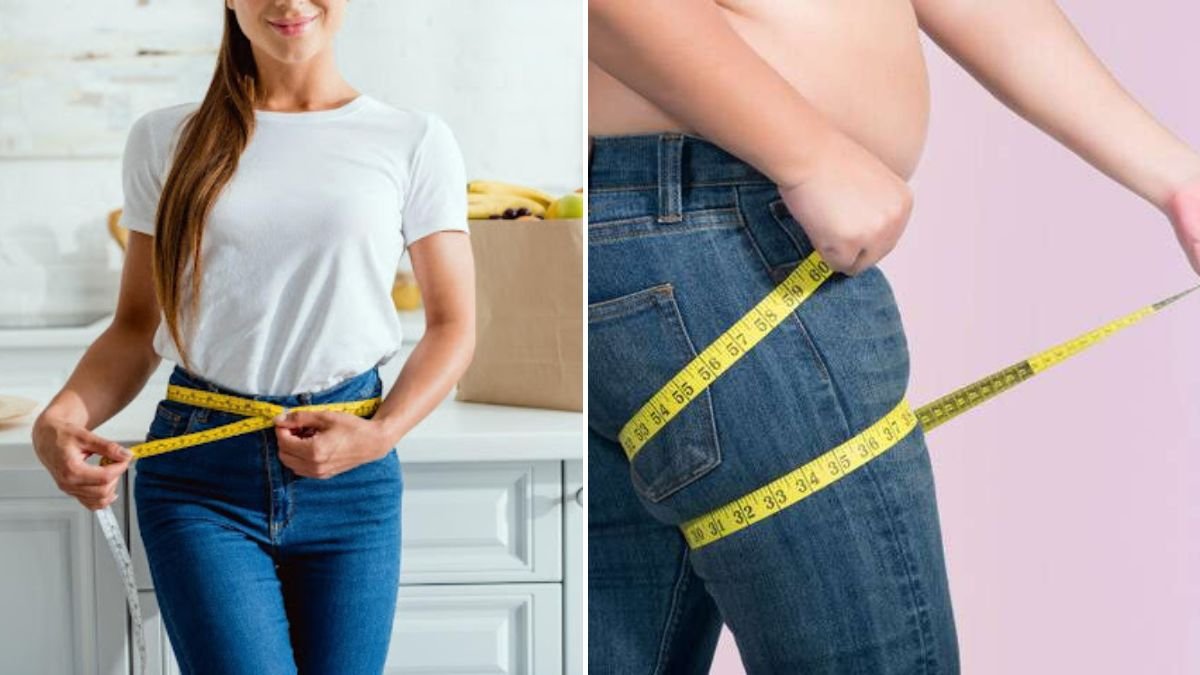
Wide hips and excess hip fat are common concerns, especially for people who spend long hours sitting or follow irregular workout routines. Hormonal balance, posture, and muscle weakness around the pelvis all play a major role in hip fat storage. Many people try multiple exercises without results because they don’t activate the right muscle groups together. The good news is that one highly effective compound movement can target hip fat, correct posture, and strengthen stabilizing muscles at the same time. This article explains how a single move can reshape your hips safely and naturally. You will also learn execution tips, benefits, and a simple routine. Consistency matters more than intensity when reshaping hips. Let’s begin with understanding the core movement.
The One Move That Works: Side-Lying Leg Raise with Hip Lift
This exercise combines hip abduction and pelvic stabilization, making it extremely effective for reducing outer hip fat. It targets the gluteus medius, deep core muscles, and lateral thigh simultaneously. Unlike high-impact workouts, this move is gentle on joints and suitable for beginners. When done correctly, it improves hip alignment and reduces the appearance of wide hips over time. The controlled motion forces muscles to stay under tension longer. This increases fat utilization around the hip area. It also helps correct muscle imbalances caused by prolonged sitting. Best of all, it requires no equipment and minimal space.

How to Perform the Move Correctly
Lie on your side with legs stacked and body aligned in a straight line. Rest your head on your lower arm and place the top hand on the floor for balance. Slightly lift your hips off the floor by engaging your core muscles. Now raise your top leg slowly upward without rotating your pelvis. Pause briefly at the top and lower the leg with control. Keep breathing steadily throughout the movement. Perform the exercise slowly to maximize muscle engagement. Switch sides after completing repetitions.
Common Mistakes to Avoid
Many people rush the movement, reducing its effectiveness. Swinging the leg or rotating the hips decreases muscle activation. Another common mistake is holding the breath, which limits core engagement. Some people lift the leg too high, causing strain instead of benefit. Keep the motion controlled and within a comfortable range. Avoid collapsing your waist onto the floor. Proper form matters more than repetition count. Always stop if you feel sharp pain.

Why This Move Fixes Wide Hips
Wide hips are often caused by weak stabilizer muscles rather than bone structure. This movement strengthens those stabilizers, pulling the hips into better alignment. As muscles tighten and tone, the hip area appears slimmer. Improved muscle tone also boosts resting metabolism in the region. Over time, fat cells shrink due to increased activity. The exercise also improves balance and posture. Better posture alone can reduce hip width appearance. This is why the move works visually and functionally.
Benefits Beyond Fat Loss
This exercise improves lower-back stability and reduces knee strain. It enhances athletic performance and walking efficiency. Many people notice reduced hip discomfort after consistent practice. It also improves pelvic control, which benefits daily movements. Stronger hips support better spinal alignment. The move is especially useful for women after childbirth. It’s also safe for seniors when done carefully. Overall, it builds strength without stress.

Weekly Routine for Best Results
Perform this exercise four to five times per week for optimal results. Beginners should start with ten repetitions per side. Gradually increase to fifteen or twenty as strength improves. Combine the movement with light cardio such as walking. Stretch the hips after each session for better recovery. Consistency is key to visible changes. Results usually appear within four to six weeks. Stay patient and focused.
Nutrition Tips to Support Hip Fat Loss
Balanced nutrition enhances the effect of exercise. Reduce refined sugar and excess salt intake. Focus on protein, fiber, and healthy fats. Drink enough water to support fat metabolism. Avoid late-night snacking when possible. Whole foods support hormonal balance. Proper nutrition speeds up visible results. Remember, exercise and diet work together.

Table: Muscles Activated by the Exercise
| Muscle Group | Role During Exercise | Benefit |
|---|---|---|
| Gluteus Medius | Hip stabilization | Hip slimming |
| Core Muscles | Pelvic control | Better posture |
| Outer Thigh | Leg lifting | Fat reduction |
| Lower Back | Support | Pain prevention |