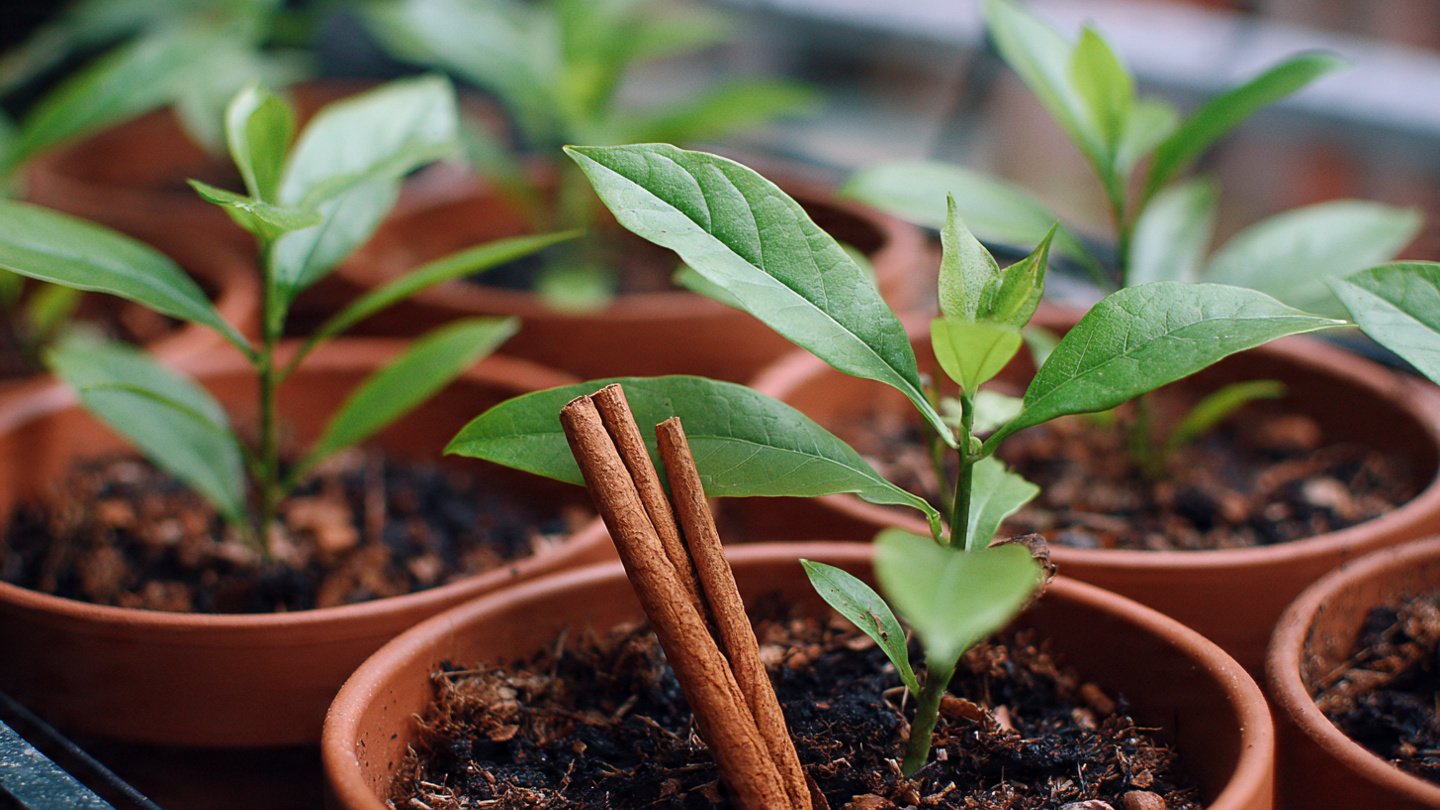
Rooting plants is a rewarding endeavor for home gardeners, allowing them to propagate their favorite varieties and expand their gardens without spending a fortune. While traditional rooting methods often involve complicated solutions or commercial rooting hormones, many gardeners are now turning to natural alternatives. One of the most powerful and accessible agents in plant propagation is cinnamon. This versatile spice does more than just flavor your favorite dishes; it can significantly enhance your plant rooting efforts. In this article, we’ll explore how you can use cinnamon to root plants successfully, alongside some practical tips and tricks.
The Science Behind Cinnamon
Cinnamon is derived from the bark of the cinnamon tree and has been used in various cultures for centuries, both for culinary and medicinal purposes. But why is cinnamon effective for rooting plants?
-
Antifungal Properties: Cinnamon is well-known for its antifungal properties. When you cut a stem for propagation, it can be susceptible to fungal infections. Cinnamon prevents these fungi from taking hold, allowing for a healthier rooting process.
-
Natural Hormones: While cinnamon does not contain rooting hormones like auxins found in many commercial products, it does help to create an environment conducive to root growth. This makes it easier for the plant to establish itself in its new location.
-
Improved Water Absorption: Cinnamon can improve a plant’s ability to absorb water, which is critical for new roots that are trying to establish themselves.
-
Encourages New Growth: By using cinnamon, you’re not just preventing disease; you’re also promoting new cell growth, which can lead to quicker rooting.
How to Use Cinnamon for Rooting Plants
Now that we understand why cinnamon is a powerful tool in plant propagation, let’s dive into how you can use it effectively.

1. Choose the Right Plant
While many plants can be propagated, some are more suited to cinnamon treatment than others. Here are a few excellent candidates for rooting with cinnamon:
- Herbs: Basil, mint, and rosemary are known for their generous growth and respond well to cinnamon rooting methods.
- Houseplants: Pothos, philodendron, and spider plants can also thrive using this technique.
- Vegetables: Cuttings from tomato, eggplant, or peppers often have good success rates.
2. Prepare Your Cuttings
When rooting cuttings, proper preparation is key:
- Select Healthy Growth: Choose vigorous, healthy stems that are at least 4-6 inches long.
- Make a Clean Cut: Use sterilized scissors or pruning shears to make a clean cut just below a node (the point on a stem where leaves are attached).
- Remove Lower Leaves: Strip leaves from the lower portion of the cutting to avoid rot when placed in the soil or water.
3. Apply Cinnamon
There are several methods for using cinnamon in your rooting process:

Method 1: Cinnamon Powder
-
Dusting: After preparing your cuttings, lightly dust the cut end with ground cinnamon powder. Ensure that the cut is well-coated.
-
Rooting Medium: Place the cinnamon-treated cuttings directly into pre-moistened potting soil or a soil-less mix. The moisture in the soil will help the cinnamon activate and prevent fungal growth.
Method 2: Cinnamon Solution
For a more diluted approach, consider creating a cinnamon solution:
-
Mix Water and Cinnamon: In a small bowl, mix one teaspoon of ground cinnamon with one cup of warm water. Stir until well blended.
-
Soak Cuttings: Dip the cut ends of your cuttings into the cinnamon solution for about 20-30 minutes. This will allow the cinnamon to penetrate the cut area effectively.
-
Planting: After soaking, plant the cuttings in damp potting medium as described above.

4. Create the Right Environment
Once you have planted your cinnamon-treated cuttings, it’s essential to provide optimal conditions for rooting:
- Humidity: Create a humid environment by covering the cuttings with a plastic bag or placing them in a mini greenhouse. This helps retain moisture and encourages rooting.
- Temperature: Maintain a warm room temperature, ideally between 70°F-85°F, as this promotes growth.
- Light: Place in an area with indirect sunlight. Too much sun can cause the cuttings to dry out, while too little can hinder their growth.
5. Monitor and Care for Your Cuttings
It’s crucial to check your cuttings regularly:
- Watering: Ensure the soil remains moist but not soggy. Overwatering can lead to rot.
- Ventilation: Occasionally open the plastic cover or greenhouse for air circulation to reduce the risk of fungal infections.
6. Transplanting
After a few weeks, check for root development by gently tugging on your cuttings. If you feel resistance, it indicates that roots have formed. At this point, you can transplant your rooted cuttings into larger pots or directly into your garden.
Additional Tips for Success

- Use Fresh Cinnamon: Always use fresh ground cinnamon for the best results. Old cinnamon may lose potency.
- Combine with Other Natural Remedies: Some gardeners mix cinnamon with honey or aloe vera for added benefits. Both have healing properties and can further promote rooting.
- Experiment: Different plants respond uniquely to cinnamon. Don’t hesitate to experiment with various species to see which ones thrive best in your garden.
Conclusion
Using cinnamon as a natural rooting hormone offers home gardeners a simple and effective way to propagate plants. By taking advantage of its antifungal properties and promoting growth, you can seamlessly expand your garden with healthy, vibrant plants. As you dive into the rewarding world of plant propagation, remember that patience is key. Not every cutting will root, but with the right method and a sprinkle of cinnamon, your garden can flourish like never before.
FAQs
1. Can I use cinnamon for any type of plant cutting?
While cinnamon works well for many types of cuttings, it’s particularly effective for herbs and houseplants. Experiment to see which plants respond best.
2. How often should I check my cuttings for roots?
Check your cuttings every week or so. If you see new growth, it’s a good sign that roots are forming.
3. What is the best time of year to take cuttings?

Spring and early summer are generally the best times to take cuttings, as most plants are actively growing during this period.
4. Can I use cinnamon-sticks instead of ground cinnamon?
While ground cinnamon is more effective because it adheres better to cuttings, you can steep cinnamon sticks in water to create a solution. However, ensure you use enough sticks for potency.
5. Should I apply cinnamon before or after planting the cuttings?
You can apply cinnamon either before planting as a dusting or after soaking cuttings in a cinnamon solution.
By using this simple and natural method, you can enjoy the benefits of plant propagation, exploring the beauty and diversity of horticulture right from your home garden. Happy gardening!