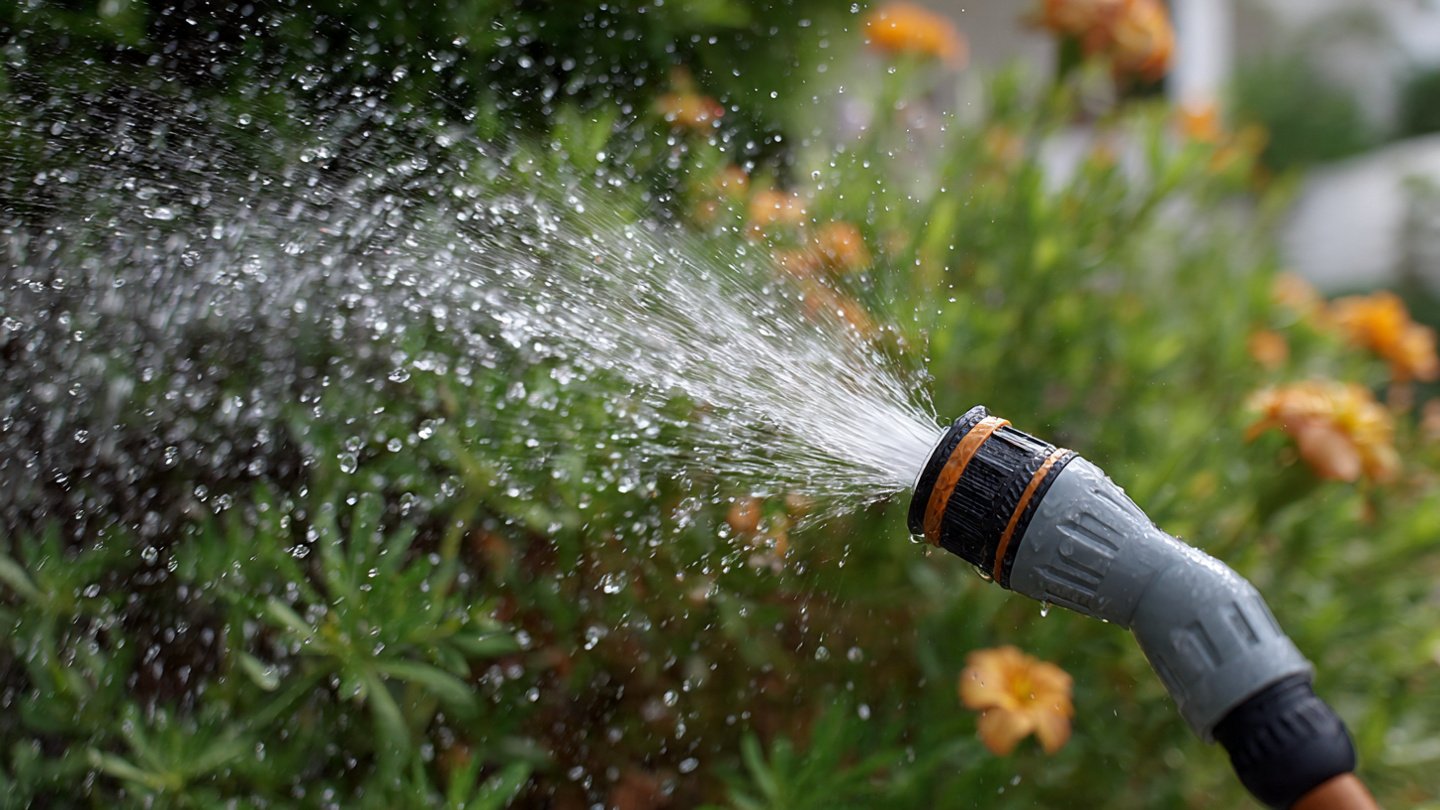
Watering is a fundamental aspect of gardening and landscaping, yet many people overlook the impact of their watering methods. As climate changes, water scarcity becomes a pressing issue globally. Inefficient watering not only drains the environment’s resources but also consumes your time, energy, and money. In this article, we will explore various watering methods, identify their pros and cons, and offer solutions to ensure you’re not squandering your valuable resources.
The Importance of Efficient Watering
Watering is not just about keeping your plants alive; it’s about ensuring their optimum health and growth. Inefficient watering can lead to various problems including:
- Overwatering: This can suffocate roots and cause root rot.
- Underwatering: Plants suffer stress and may die if they don’t receive enough water.
- Wasted Resources: Excessive water use not only inflates your water bill but also contributes to water scarcity.
- Pest and Disease Problems: Improper watering can foster conditions that attract pests and diseases.
Common Watering Methods
There are several methods for watering plants, each with its strengths and weaknesses. Below, we review the most common techniques:
1. Hand Watering
Hand watering with a hose or watering can is often the most common method, especially for smaller gardens and indoor plants.

Pros:
- Precise: You can target specific plants easily.
- Inexpensive: Requires minimal investment.
- Flexible: You can adjust the amount of water based on the weather conditions.
Cons:
- Time-consuming: Can take hours, particularly for larger gardens.
- Inconsistent: It can lead to uneven watering if not done meticulously.
2. Drip Irrigation
This method delivers water directly to the root zone of plants through a system of tubing and emitters.
Pros:

- Efficiency: Reduces evaporation and runoff, conserving water.
- Targeted Delivery: Ensures that water goes directly to the root zone.
Cons:
- Installation Cost: Can be expensive to set up initially.
- Maintenance: Requires regular checks to avoid clogging.
3. Sprinkler Systems
Sprinklers can cover larger areas and offer versatility for various types of landscapes.
Pros:
- Coverage: Can water large areas in a relatively short time.
- Automation: Smart systems can schedule watering based on weather conditions.

Cons:
- Wastage: Water may evaporate or runoff, especially on windy days.
- Overhead Cost: Initial investment and energy costs can add up.
How to Evaluate Your Watering Method
To determine whether your current watering method is right for you, consider the following factors:
1. Evaluate Your Landscape
Understand the unique requirements of your plants, soil type, and climate. For instance, sandy soils may require more frequent watering compared to clay soils.
2. Measure Resource Usage
Keep track of your water bill over the watering season. If it seems unusually high, reassess your methods.
3. Consider Weather Patterns

Adapt your watering practices based on local rainfall and temperature trends. For instance, if you live in an area with regular rainfall, reduce your watering schedule accordingly.
Tips for Efficient Watering
To maximize your watering efficiency, consider the following tips:
- Time It Right: Water early in the morning or late in the evening to minimize evaporation.
- Use Mulch: Mulching retains soil moisture and reduces evaporation.
- Group Plants Wisely: Grouping plants with similar watering needs can save time and resources.
- Monitor Soil Moisture: Use a soil moisture meter to avoid overwatering.
Conclusion
Efficient watering is crucial not just for your garden but also for our planet. By evaluating the methods you currently use and understanding their pros and cons, you can save time, resources, and ultimately money. Moving towards more efficient watering practices not only supports the health of your plants but also contributes to sustainable resource management, making a positive impact on the environment.
Adopting practices such as drip irrigation, adjusting your schedule based on weather conditions, and being more mindful about water usage can lead to significant improvements in your gardening outcomes and resource conservation. Take action today, and make every drop count!
FAQs

1. How often should I water my plants?
The frequency of watering depends on the type of plants, soil type, and climate. Generally, it’s best to water deeply but less frequently to encourage deep root growth.
2. What is the best time to water my garden?
Early morning or late evening is ideal, as temperatures are cooler, minimizing evaporation loss.
3. Can I use rainwater for irrigation?
Yes, collecting rainwater is an excellent way to conserve resources and provide your plants with chemical-free water.
4. How can I tell if my plants are getting enough water?
Signs of under-watering include wilting leaves and dry soil. Conversely, overwatering may cause yellowing leaves and root rot. Monitoring soil moisture is key.
5. Should I adjust my watering schedule based on the season?
Absolutely! Adjust your watering schedule during rainy seasons or during periods of heat to optimize water usage.