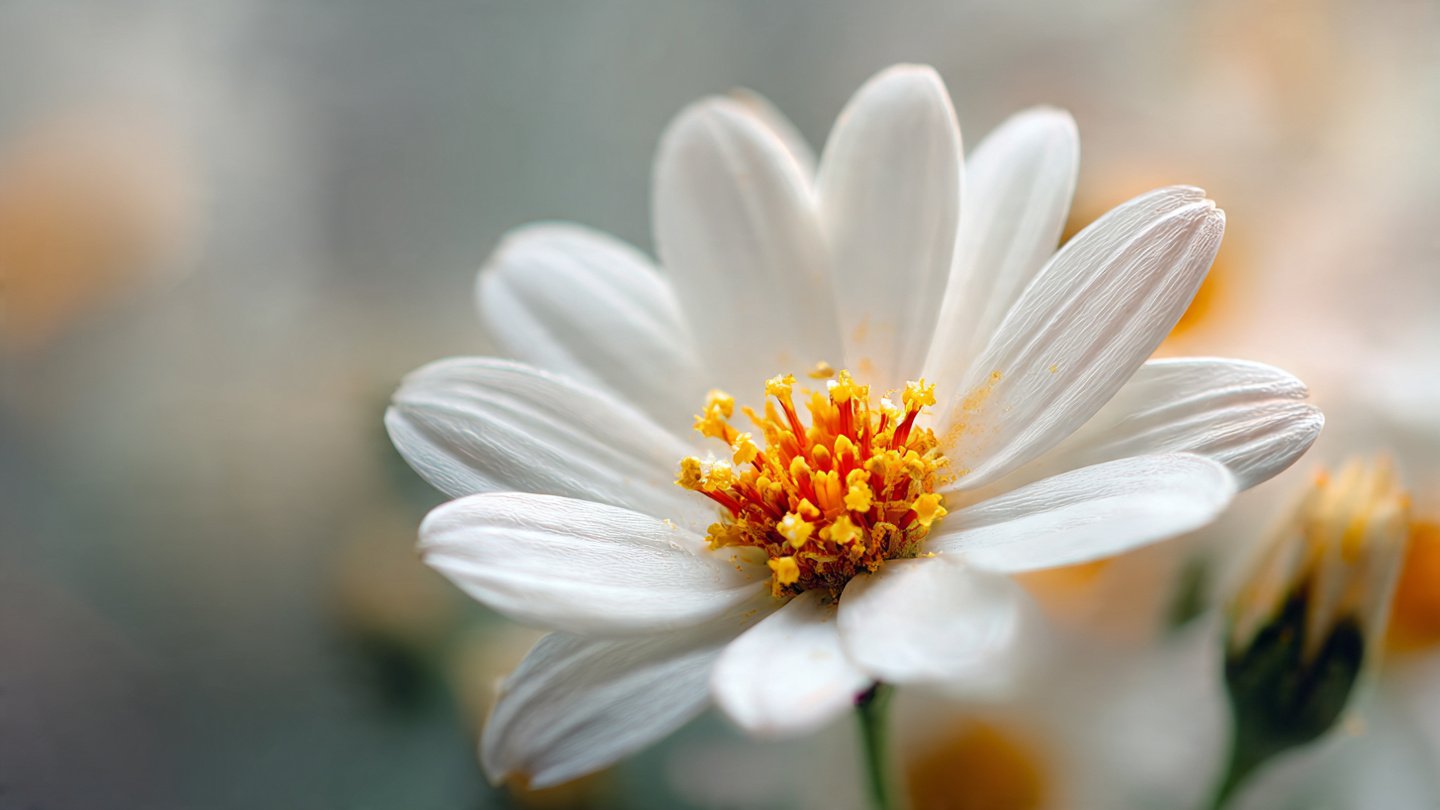
Cold stress, a common environmental challenge for flowering plants, can lead to significant changes in the plant’s health and appearance. When temperatures drop, plants may signal distress through their leaves, exhibiting various symptoms that can indicate cold stress. Understanding these signals is crucial for any gardener or horticulturist aiming to maintain healthy plants.
What is Cold Stress?
Cold stress occurs when plants are exposed to temperatures below their optimal growing range. This condition can arise from sudden temperature drops, prolonged exposure to cold, or frost conditions. These stresses cause physiological changes in the plant, impairing growth and leading to potential leaf damage.
In flowering plants, leaves serve as the primary agents for various processes like photosynthesis and transpiration. When cold stress affects these vital functions, the signs often become visible through changes in the leaves.

Signs of Cold Stress in Leaves
When a plant is undergoing cold stress, it may exhibit several observable symptoms in its leaves, helping gardeners identify the problem. Here are some common signs:
- Leaf Discoloration: One of the earliest signs of cold stress is discoloration. Leaves may turn yellow, gray, or even purple.
- Leaf Curling: Cold-stressed leaves might curl upwards or downwards as the plant attempts to conserve moisture and protect itself from the cold.
- Wilting: Despite adequate watering, cold-stressed plants may exhibit wilting leaves due to impaired root functions and nutrient uptake.
- Leaf Drop: In extreme cases, plants may shed their leaves to minimize energy expenditure, which can be an alarming yet natural defense mechanism against the cold.
Causes of Cold Stress
Several factors contribute to cold stress in flowering plants:
- Temperature Drops: Sudden drops in nighttime temperatures can shock plants that were previously acclimatized to warmer conditions.
- Frost: Frost can damage leaf tissues directly, causing cellular damage that manifests as discoloration and wilting.
- Wind: Cold winds can exacerbate the chilling effects by increasing the rate of heat loss and desiccation of leaves.
- Improper Placement: Flowers might be planted in areas where they are more susceptible to cold, such as in low-lying areas that collect frost or shade from larger plants.
How to Mitigate Cold Stress
Although some stressors are beyond your control, there are several methods that you can employ to help mitigate cold stress on your flowering plants. These methods include:

- Proper Plant Selection: Choose flower varieties that are resilient to colder temperatures and well-suited for your climate zone.
- Mulching: Applying a layer of mulch around the base of plants helps insulate the soil and regulate temperature around the root zone.
- Covering Plants: Use row covers, blankets, or cloches to protect plants from frost and cold winds during particularly frigid nights.
- Watering: Ensure that the plants are well-watered. Moist soil retains heat better than dry soil, offering some protection against cold stress.
- Choosing the Right Location: Plant flowers in spots that receive protection from cold winds and ensure they have adequate sunlight during the day.
Long-Term Care After Cold Stress
Even after a cold event, it is essential to provide proper care to help your flowering plants recover. Here are some recommendations:
- Assessment: Check for damage and assess which plants have been most affected to determine the best approach for recovery.
- Pruning: Remove damaged or dead leaves and stems; this encourages new growth and improves overall plant health.
- Fertilization: A balanced fertilizer can help stimulate new growth while providing the necessary nutrients to recover from cold stress.
- Observation: Keep an eye on your plants after a cold snap; continued monitoring will help you catch further stress indicators early.
Conclusion
Cold stress is a serious concern for flowering plants, and identifying the symptoms through leaf changes is vital for timely intervention. By understanding the signs of cold stress, the causes, and the methods to mitigate and care for plants, you can enhance the resilience of your garden. Observing and responding to your plants’ needs will ensure they thrive even in less-than-ideal conditions.
FAQs
1. How can I tell if my plants are facing cold stress?
Look for signs like wilted or curled leaves, discoloration, and leaf drop. These symptoms indicate that your plant may be experiencing cold stress.

2. Can all flowering plants tolerate cold temperatures?
No, not all flowering plants have the same cold tolerance. It’s essential to choose varieties that are appropriate for your specific climate zone.
3. What should I do if my plant has suffered from cold stress?
Assess the damage, prune affected areas, and provide proper watering and nutrients to help your plant recover. Monitoring will help you identify any further stress.
4. Should I cover my plants during a frost warning?
Yes, covering your plants can help protect them from frost damage. Use cloths, blankets, or specialized frost covers to shield them during cold nights.

5. How can I minimize the risk of cold stress to my flowers?
Choose cold-tolerant varieties, mulch, location planning, and proper watering can significantly reduce the risk of cold stress in your plants.