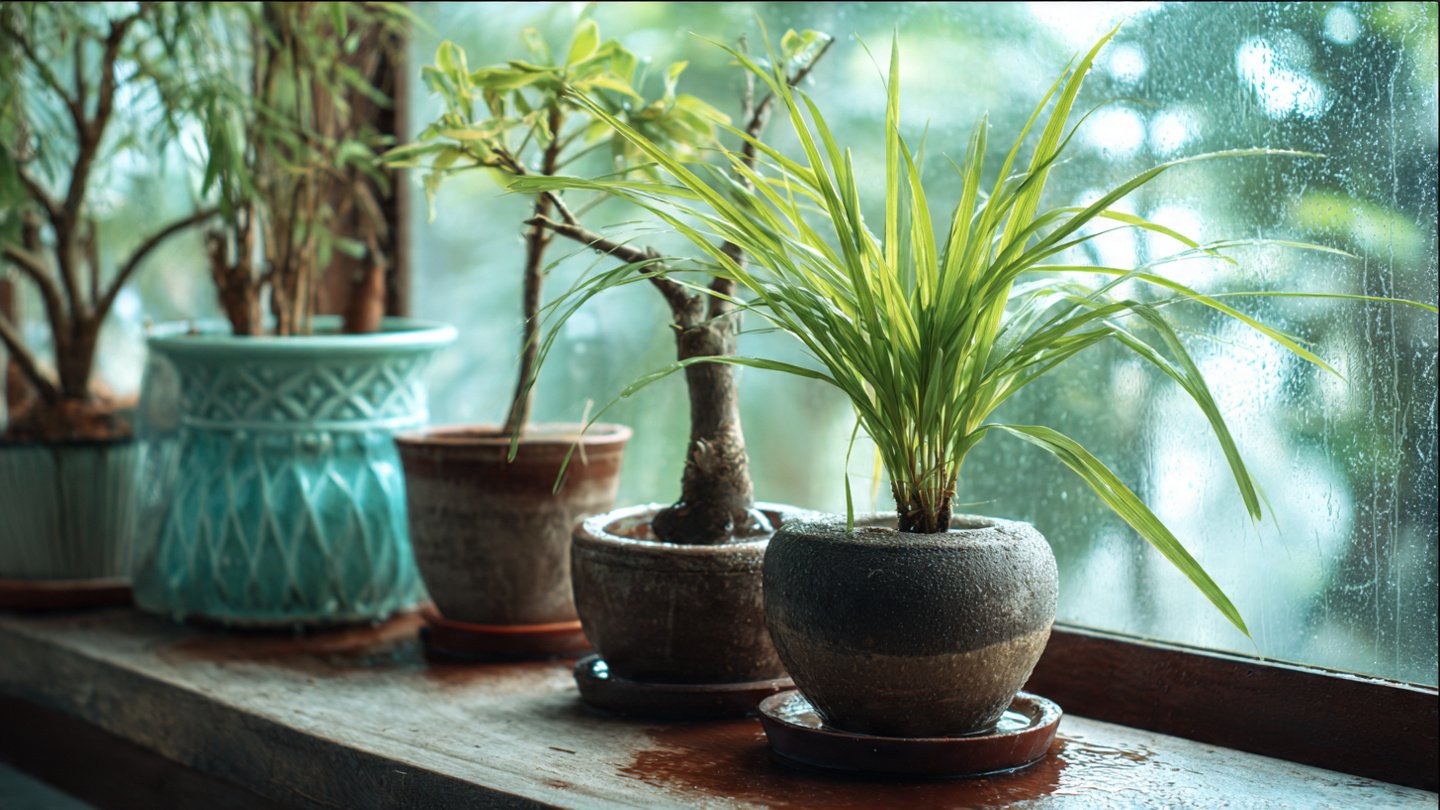
For indoor plant enthusiasts, finding the perfect balance of nutrients to promote healthy growth can often feel like a daunting task. While many turn to store-bought fertilizers, an age-old natural remedy has recently gained popularity: rice water. This nutrient-rich byproduct of washing rice might just be the secret ingredient your indoor plants have been missing. Let’s delve deeper into the benefits of rice water, its application, and why you should consider incorporating it into your plant care regimen.
What is Rice Water?
Rice water is the starchy water that remains after cooking or rinsing rice. This liquid is typically discarded, but it is rich in vitamins, minerals, and antioxidants that can benefit your indoor plants. It contains nutrients such as nitrogen, phosphorus, and potassium—elements critical for plant growth. These nutrients promote root development, strengthen stems, and even enhance flowering.
Benefits of Rice Water for Indoor Plants
Using rice water can provide multiple benefits for your indoor plants:
- Nutrient-Rich: As mentioned earlier, rice water contains essential nutrients that support plant health.
- Promotes Growth: The nitrogen content in rice water aids in the growth of green foliage and roots.
- Natural Fertilizer: It serves as an organic fertilizer option that can be easily made at home.
- Improves Soil Quality: Rice water can help retain moisture in the soil, making it more conducive for root absorption.
- Contains Beneficial Microorganisms: Fermented rice water can harbor beneficial bacteria that improve soil health.
- Cost-Effective: It’s an inexpensive alternative to commercial fertilizers, making it budget-friendly for everyone.

How to Make Rice Water
Creating rice water is a simple process, and you can use either the rinsing or boiling method.
Rinsing Method
- Take 1 cup of raw rice (any variety: white, brown, or basmati).
- Rinse the rice thoroughly under running water to remove dirt and excess starch.
- Collect the rinsed water in a container. This liquid is your rice water.
- Use it immediately or store it in the refrigerator for up to a week.
Boiling Method

- Take 1 cup of raw rice and add it to 4 cups of water in a pot.
- Bring it to a boil and then let it simmer for about 15-20 minutes.
- Strain the rice, and the remaining liquid is your rice water.
- Allow it to cool before using.
How to Use Rice Water on Indoor Plants
Now that you have your rice water ready, how should you apply it to your indoor plants?
- Watering: Use rice water as you would use regular water, ensuring the soil is treated evenly.
- Soil Drench: Pour the rice water onto the soil around the base of the plant, allowing it to soak in.
- Foliar Spray: If you wish to promote leaf health, use a spray bottle to mist the underside of the leaves with diluted rice water.
It’s important to use rice water as part of a balanced care regimen. Too much of any type of nourishment can harm your plants, so moderation is key.

Precautions to Consider
While rice water can be beneficial, there are a few precautions you should keep in mind:
- Storage: If storing rice water, keep it in a cool place and use it within a week to avoid fermentation.
- Dilution: Consider diluting rice water with regular water, especially if the rice has been soaked for an extended period, to reduce the risk of over-fertilization.
- Monitor Plant Response: Not all plants respond the same way. Keep an eye on your plants and adjust your usage based on their response.
Common Myths about Rice Water
As with any trending topic, myths and misconceptions tend to arise. Here are a few common myths about rice water for indoor plants:
- Myth 1: Rice water can replace all types of fertilizers.
Fact: While it offers nutrients, it should not be the sole source of nourishment for your plants. - Myth 2: All plants thrive on rice water.
Fact: Some plants may not benefit from it, so always check the specific needs of your plants. - Myth 3: Rice water is only useful for houseplants.
Fact: It can also be used for garden plants and outdoor potted plants.

Conclusion
Rice water might just be the secret ingredient your indoor plants have been missing. Rich in essential nutrients and easy to produce, rice water can provide many benefits for your beloved plants. Whether you choose to use it as a watering solution, soil drench, or foliar spray, incorporating rice water into your plant care routine can promote thriving, healthy plants without breaking the bank. However, be sure to observe your plants and adjust your usage accordingly to cater to their specific needs.
FAQs
1. How often can I use rice water on my plants?
It’s generally safe to use rice water every one to two weeks, depending on the plant type and its nutrient needs.
2. Can I use leftover rice water from cooking?
Yes, but ensure it is unsalted and free from other additives which may harm your plants.

3. Is rice water good for all types of plants?
While many indoor plants can benefit from it, it’s essential to research the specific needs of each plant.
4. Will rice water attract pests?
When used in moderation, rice water should not attract pests. However, monitor your plants for any signs of pests and adjust your usage if needed.
5. Can I use rice water for seedlings?
Yes, rice water can be beneficial for seedlings as it contains nutrients essential for their early growth.