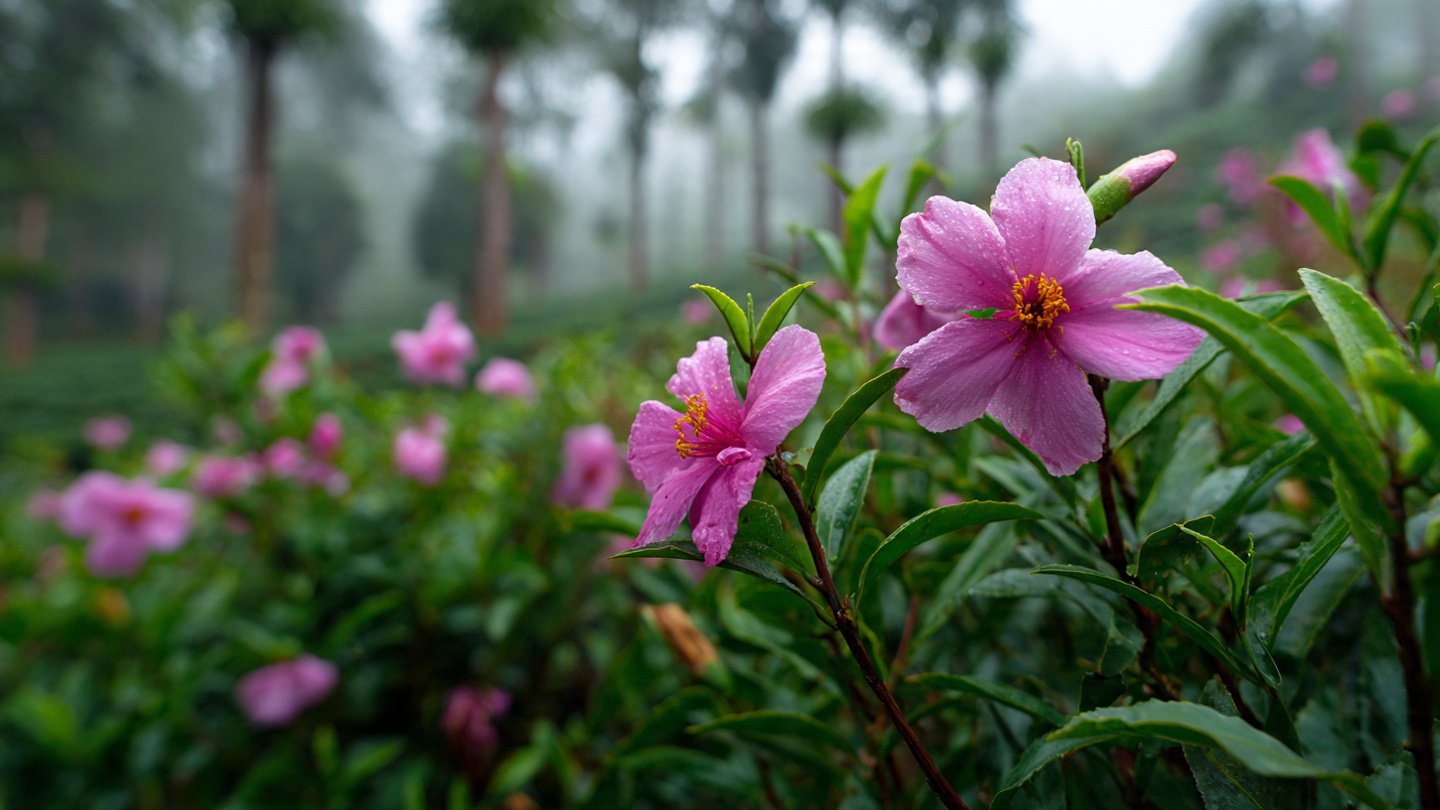
The idea of growing a tea garden with fresh flowers may seem overwhelming, particularly for those who are new to gardening. However, with the right knowledge and tools, establishing a tea garden can be both enjoyable and relatively easy. In this article, we’re going to explore the essentials of growing a tea garden, the benefits it offers, and why you might find it easier than you initially thought.
The Allure of Tea Gardens
Tea gardens, often characterized by lush greenery and vibrant blooms, can serve as both beautiful landscape features and sources of refreshing beverages. Imagine stepping into your own backyard and plucking fresh leaves for a cup of tea or using colorful flowers to create a stunning herbal infusion.
Tea gardens are not limited to just the classical tea plants (Camellia sinensis). You can incorporate various herbs and flowers that are tea-friendly, including:
- Mint
- Chamomile
- Lemon balm
- Lavender
- Hibiscus
Choosing the Right Location
The first step to a successful tea garden is selecting the appropriate spot. Here are a few considerations:

- Sunlight: Most tea plants and herbs require at least six hours of direct sunlight daily.
- Soil Quality: Well-draining, nutrient-rich soil will promote healthy plants.
- Water Access: Proximity to a water source will make maintenance easier.
Soil Preparation and Planting
Once you’ve chosen your location, the next step is to prepare the soil:
- Test Your Soil: Understanding the pH and nutrient levels is essential for optimal growth.
- Add Organic Matter: Compost or well-rotted manure enriches the soil.
- Loosen the Soil: A well-tilled garden bed encourages root growth.
Choosing Your Plants
When selecting plants for your tea garden, think about the types of teas you enjoy. Here’s a brief overview of popular options:
- Camellia sinensis: The traditional tea plant can yield black, green, or white tea depending on processing.
- Mint: Easy to grow and incredibly refreshing, mint is perfect for iced teas.
- Chamomile: Known for its calming properties, chamomile makes a soothing herbal tea.
- Hibiscus: This vibrant flower produces a tart, flavorful tea often enjoyed iced.
- Lavender: With its fragrant aroma, lavender can add a unique flavor profile to blends.

Simple Care Techniques
After planting, maintaining your tea garden is key to achieving a bountiful harvest. Here are some straightforward care techniques:
- Watering: Ensure consistent moisture, especially during dry spells.
- Fertilizing: Use organic fertilizers monthly during the growing season.
- Pest Control: Opt for organic pest control methods to keep your plants healthy.
Harvesting Your Tea
Harvesting tea plants and flowers is an exciting milestone. Here are some tips for a successful harvest:
- Timing: Harvest leaves in the morning after the dew has dried for optimum flavor.
- Best Practices: For Camellia sinensis, pick the young, tender leaves. For herbs, snip flowers and stems regularly to encourage new growth.

Creating Blends
Once you have harvested your plants, the next thrilling step is experimenting with blending. Start by considering:
- Flavors: Combine different herbs and flowers to create a unique flavor profile.
- Health Benefits: Pair herbs known for complementary health benefits.
Some popular blends include:
- Chamomile and lavender for relaxation.
- Hibiscus and mint for a refreshing iced tea.
- Lemon balm and chamomile for a soothing evening drink.
Benefits of Growing Your Tea Garden
Growing a tea garden not only provides you with fresh beverages but also offers several additional benefits:

- Health Benefits: Herbal teas can promote wellness and provide relaxation.
- Cost Effective: Reduces the cost of purchasing specialty teas.
- Environmental Impact: Growing your own tea reduces packaging waste and carbon footprint.
- Therapeutic Effects: Gardening is known to reduce stress and improve mental health.
Conclusion
Growing a tea garden with fresh flowers is not only an achievable goal but can also become a rewarding hobby. With careful planning, the right plants, and consistent maintenance, you can create your own little oasis bursting with flavor and fragrance. Whether you are sipping a calming chamomile tea after a long day or enjoying a refreshing mint iced tea in the summer, the satisfaction of brewing from your own garden is unmatched. So why not roll up your sleeves and start your tea garden journey today? You might just find it easier and more enjoyable than you ever thought possible!
FAQs
1. What type of soil is best for growing tea plants?
Tea plants thrive in well-draining, acidic soil rich in organic matter. A pH level between 5.0 and 6.0 is ideal.
2. How much sunlight do tea plants need?
Tea plants generally require at least six hours of direct sunlight each day to grow effectively.

3. Can I grow a tea garden in a small space?
Absolutely! Many tea plants can be grown in containers, making them suitable for small gardens or patios.
4. What pests should I watch out for in my tea garden?
Common pests include aphids, spider mites, and whiteflies. Regularly check for signs of infestation and use organic methods to manage them.
5. How often should I water my tea garden?
Your tea garden should be kept consistently moist but not waterlogged. Water deeply but infrequently to promote healthy root growth.