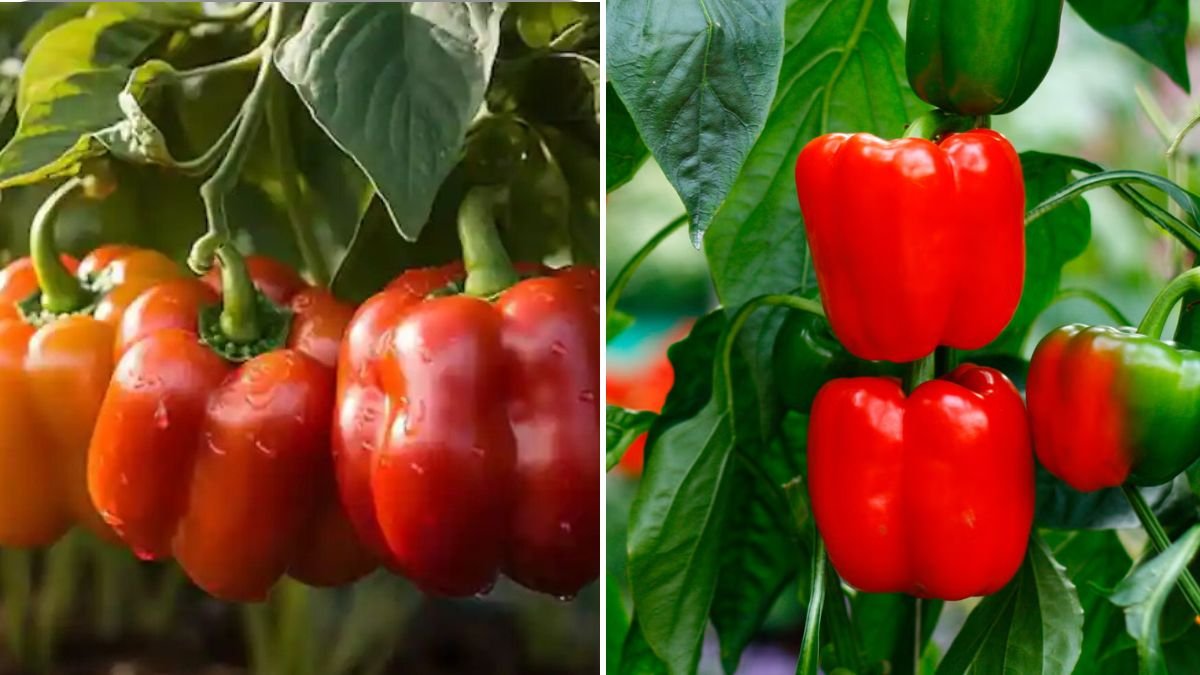
Pepper plants are one of the most rewarding crops for home gardeners and commercial growers alike. Whether you grow chili peppers, bell peppers, or sweet varieties, higher production means better harvests and more value. Many gardeners struggle with low yields due to improper care, nutrient imbalance, or poor environmental conditions. Understanding the complete growth cycle of pepper plants is essential for consistent results. Small changes in soil preparation, watering habits, and pruning can dramatically boost productivity. Climate and sunlight also play a major role in fruit formation. By following proven techniques, you can encourage continuous flowering and fruiting. This guide explains everything in simple steps for long-term success.
Understanding Pepper Plant Growth Stages
Pepper plants grow through several distinct stages that affect production directly. The seedling stage requires gentle care and consistent moisture. During the vegetative stage, plants focus on leaf and stem growth, building energy reserves. Flowering begins once the plant reaches maturity and receives adequate light. Fruit set depends on proper pollination and temperature balance. Excessive heat or cold can cause flower drop. The final stage is fruit development and ripening. Knowing these stages helps you adjust care practices effectively.
Choosing High-Yield Pepper Varieties
Selecting the right pepper variety is the foundation of higher production. Hybrid varieties are often bred for disease resistance and productivity. Some peppers produce fewer but larger fruits, while others produce many smaller ones. Choose varieties suited to your local climate. Hot peppers usually yield more than sweet peppers in warm regions. Early-maturing varieties give faster harvests. Disease-resistant cultivars reduce plant stress. Always source seeds from reliable suppliers for best results.
Soil Preparation for Maximum Pepper Yield
Healthy soil leads to productive pepper plants. Peppers thrive in loose, well-draining soil rich in organic matter. Heavy clay soil restricts root growth and reduces yield. Adding compost improves soil structure and fertility. The ideal soil pH for peppers ranges between slightly acidic and neutral. Proper drainage prevents root rot and fungal diseases. Deep soil preparation encourages strong root systems. Nutrient-rich soil supports continuous flowering and fruiting.

Optimal Sunlight and Temperature Requirements
Peppers are sun-loving plants that need long hours of light. At least six to eight hours of direct sunlight daily is essential. Insufficient sunlight leads to weak plants and poor fruit set. Temperature also plays a critical role in pepper production. Ideal daytime temperatures are warm but not extreme. Excessive heat can cause flower drop and stress. Night temperatures should remain moderate for best results. Balanced conditions ensure consistent yields.
Watering Techniques to Boost Production
Proper watering is crucial for pepper productivity. Inconsistent watering leads to blossom end rot and reduced fruit size. Deep watering encourages roots to grow deeper. Overwatering suffocates roots and causes disease. Always allow the top layer of soil to dry slightly before watering again. Mulching helps retain moisture and regulate soil temperature. Drip irrigation is ideal for consistent water supply. Balanced moisture keeps plants healthy and productive.
Fertilization Strategies for Higher Yield
Pepper plants require balanced nutrition throughout their growth cycle. Excess nitrogen promotes leaves but reduces fruiting. Phosphorus supports root and flower development. Potassium improves fruit size and flavor. Organic fertilizers release nutrients slowly and improve soil health. Liquid fertilizers provide quick nutrient boosts during flowering. Avoid over-fertilizing, which can stress plants. Regular feeding ensures steady production.
Table: Essential Nutrients for Pepper Production
| Nutrient | Role in Plant Growth | Best Source | Application Stage |
|---|---|---|---|
| Nitrogen | Leaf growth | Compost | Early growth |
| Phosphorus | Root and flowers | Bone meal | Pre-flowering |
| Potassium | Fruit quality | Wood ash | Fruiting stage |
| Calcium | Prevent rot | Lime | Throughout |
Pruning and Training Pepper Plants
Pruning helps redirect energy toward fruit production. Removing weak or crowded branches improves air circulation. Early pruning strengthens the main stem. Training plants with stakes prevents breakage from heavy fruits. Proper spacing allows better light penetration. Removing damaged leaves reduces disease risk. Pruning also extends the harvesting period. Healthy structure leads to higher yields.

Pollination and Flower Management
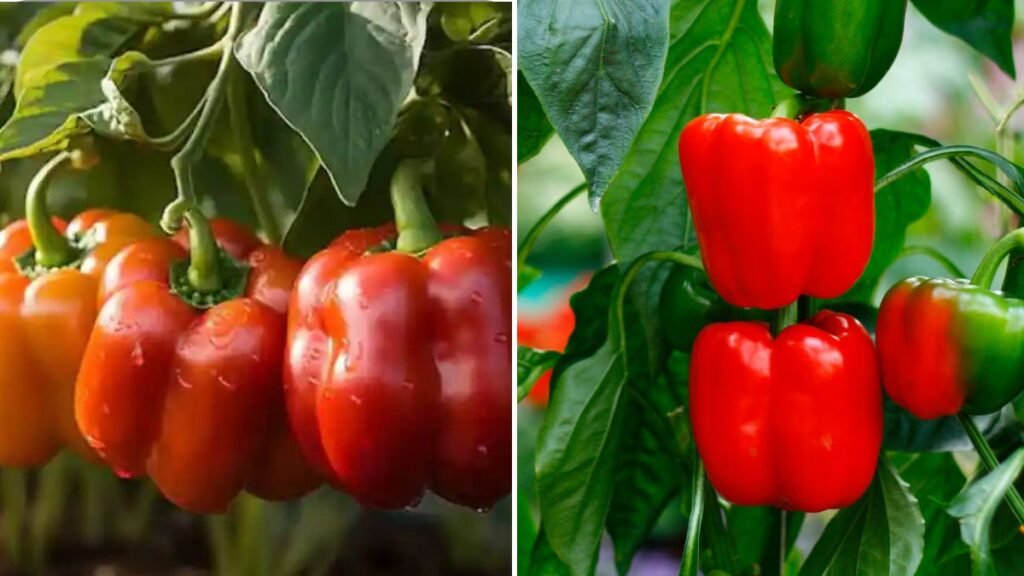
Pepper plants are mostly self-pollinating, but assistance improves fruit set. Gently shaking plants helps pollen movement. Insects also play a role in natural pollination. Avoid excessive heat during flowering. Maintain proper humidity levels. Stress-free plants retain flowers longer. More flowers mean more peppers.
Pest Control Without Yield Loss
Pests can significantly reduce pepper production if ignored. Common pests include aphids, spider mites, and caterpillars. Early detection prevents serious damage. Neem oil is effective and organic. Handpicking pests reduces chemical use. Healthy plants resist pests better. Regular inspection protects yield.
Disease Prevention for Continuous Harvest
Fungal and bacterial diseases weaken pepper plants. Proper spacing reduces humidity buildup. Avoid wetting leaves during watering. Rotate crops yearly to prevent soil-borne diseases. Remove infected plants immediately. Disease-free plants produce longer. Prevention is always better than cure.
Mulching for Soil Health and Yield
Mulch plays a vital role in pepper production. It conserves moisture and suppresses weeds. Organic mulch enriches soil as it decomposes. Mulching regulates soil temperature. It protects roots during extreme weather. Consistent soil conditions promote fruit development. Mulched plants produce more peppers.
Harvesting Techniques to Encourage More Fruits
Regular harvesting encourages plants to produce more flowers. Leaving ripe peppers on plants slows further production. Use clean tools to avoid damage. Harvest peppers at the right maturity stage. Frequent harvesting extends the growing season. Proper technique keeps plants healthy. More harvests mean higher yield.
Common Mistakes Reducing Pepper Production
Overwatering is one of the most common mistakes. Poor soil preparation limits growth potential. Excess fertilizer reduces fruiting. Ignoring pests allows damage to spread. Inconsistent care stresses plants. Avoiding these mistakes improves output. Awareness leads to better results.
Seasonal Care Tips for Better Yield
Different seasons require adjusted care methods. Summer heat needs extra watering and shade. Cooler seasons need protection from frost. Adjust fertilizer strength based on growth stage. Monitor plants closely during weather changes. Seasonal adaptation maximizes production. Smart care ensures consistent yield.
Organic Methods for Sustainable Production
Organic gardening improves long-term soil health. Compost and natural fertilizers support growth. Beneficial insects control pests naturally. Crop rotation prevents disease buildup. Organic methods produce healthier peppers. Sustainability ensures continuous harvests. Nature-friendly practices increase productivity.
Indoor and Container Pepper Production
Peppers grow well in containers if managed properly. Choose large pots for root space. Use high-quality potting mix. Provide adequate sunlight or grow lights. Water more frequently than garden plants. Container peppers can produce abundantly. Space efficiency meets productivity.
Long-Term Care for Perennial Pepper Plants
In warm climates, peppers can live for multiple years. Prune plants after harvest season. Protect from cold temperatures. Reduce watering during dormancy. Revived plants often yield earlier. Perennial care increases lifetime production. Long-term plants save effort.
Conclusion: Achieving Consistent High Pepper Yields
Increasing pepper production requires a balanced approach. Soil health, watering, and nutrition work together. Proper sunlight and temperature management prevent stress. Pruning and pest control support continuous growth. Small changes lead to big improvements. Consistency is the key to success. With the right methods, abundant pepper harvests are achievable.