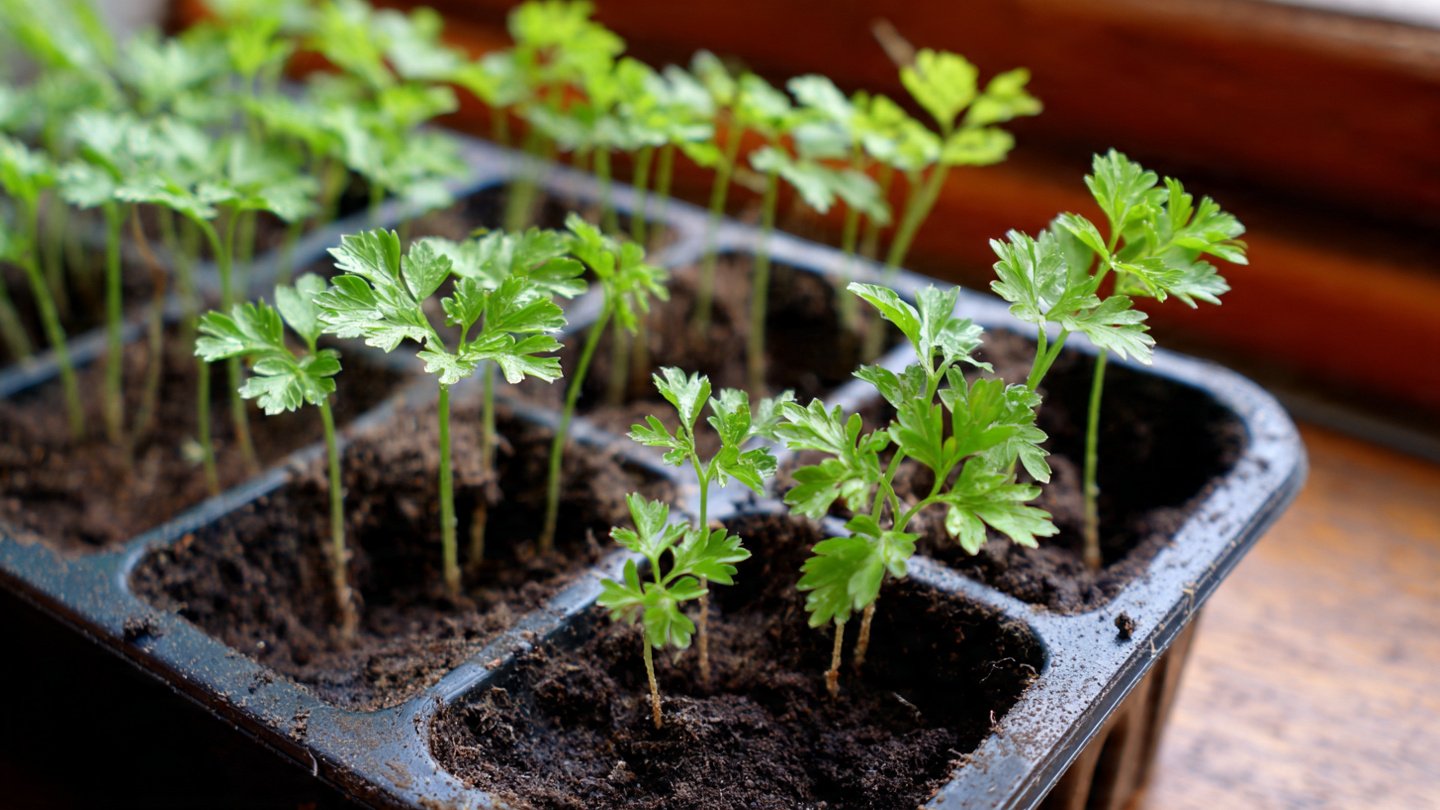
Sure! Here is a 1500-word article about how to use the parsley seeds quick sprouting trick for faster germination:
Parsley (Petroselinum crispum) is a popular herb widely grown in gardens and pots for its culinary and medicinal uses. However, one of the main challenges gardeners face with parsley is its notoriously slow and erratic germination. Parsley seeds can take anywhere from 2 to 4 weeks to sprout, and sometimes even longer, which can be frustrating for gardeners eager to see progress.
Fortunately, there is an effective and simple method known as the “parsley seeds quick sprouting trick” that can significantly speed up germination and improve your success rate. This article delves into the science behind parsley seed germination, explains why parsley seeds are slow to sprout, and provides a step-by-step guide on how to use this quick sprouting trick to get your parsley seedlings growing faster and stronger.
Understanding Parsley Seed Germination
Before diving into the trick itself, it’s helpful to understand what is happening with parsley seeds during germination.
Parsley seeds have a hard seed coat that acts as a natural barrier, protecting the embryo inside but also slowing down water absorption and gas exchange necessary for germination. This tough outer layer contributes to the extended germination period compared to other herbs. Additionally, parsley seeds need consistent moisture, warmth, and oxygen to break dormancy and initiate sprouting.
Common reasons parsley seeds may fail to germinate quickly include:
- Seed dormancy: The hard seed coat contributes to dormancy, preventing immediate sprouting.
- Moisture issues: Too little or too much water can inhibit germination.
- Temperature fluctuations: Parsley seeds prefer steady warmth around 70°F (21°C).
- Seed age: Older seeds may have reduced germination rates.

The quick sprouting trick helps overcome some of these natural barriers by softening the seed coat and kickstarting the germination process quickly.
The Parsley Seeds Quick Sprouting Trick: An Overview
The trick primarily involves two preparatory steps before sowing the seeds:
- Soaking the Seeds
- Scarification
Soaking the Seeds
Soaking parsley seeds in water softens the tough seed coat, allowing water to penetrate faster into the seed. This jump-starts metabolic processes inside the seed, enabling it to start growing sooner.
Scarification
Scarification involves gently nicking or abrading the seed coat to physically weaken the barrier and further improve water absorption. For parsley seeds, this can be done lightly with sandpaper or by rubbing seeds between two rough surfaces.

By combining soaking and scarification, the seed coat becomes permeable, which significantly reduces the waiting time for germination.
Step-by-Step Guide to Using the Quick Sprouting Trick
Follow these steps for the best success in speeding up your parsley seed germination:
1. Select Quality Parsley Seeds
Always opt for fresh, high-quality seeds from a reputable supplier. Fresh seeds germinate faster and have higher viability. Older seeds may still germinate but can take even longer or fail to sprout altogether.
2. Prepare the Seeds for Scarification
Lay out your parsley seeds on a clean surface. Using fine-grit sandpaper, gently rub each seed just enough to slightly roughen the seed coat without damaging the embryo inside. Alternatively, you can rub seeds between two sheets of aluminum foil or two rough ceramic tiles.
Be careful not to overdo it — the goal is to weaken the seed coat, not break the seed.
3. Soak the Seeds in Warm Water
After scarifying the seeds, place them in a bowl and cover with warm water (about 70°F or 21°C). Let the seeds soak for 24 hours.

The water will soften the seed coat further and allow moisture to reach the embryo inside.
4. Prepare Your Planting Medium
While the seeds are soaking, prepare the soil or seed-starting mix. Parsley prefers well-draining, nutrient-rich soil with good moisture retention.
Fill seed trays or pots with the soil mix and moisten it evenly but avoid waterlogging.
5. Sow the Seeds
After soaking, drain the water and sow the parsley seeds about ¼ inch deep into the soil. Cover lightly with soil and gently press down.
If you want, you can soak the soil surface with a fine mist of water.
6. Create Ideal Germination Conditions
Parsley seeds need warmth to germinate well. Aim to keep the soil temperature between 65-75°F (18-24°C).
Cover the trays or pots with a plastic dome or clear plastic wrap to retain moisture and warmth. Place them in a warm, bright location but out of direct sunlight.
7. Maintain Moisture and Monitor
Keep the soil consistently moist but never soaked. Mist lightly as needed to prevent drying out.
Within 7 to 14 days, you should start seeing parsley seedlings pushing through the soil — much faster than the usual 2-4 weeks without the quick sprouting trick.
Additional Tips to Improve Parsley Germination and Growth
- Use fresh seeds: Seed viability declines over time, so try to use seeds within a year of purchase.
- Avoid deep planting: Parsley seeds are tiny and don’t need to be buried deeply. ¼ inch soil cover is sufficient.
- Keep consistent warmth: Use a heat mat if indoor temperatures are too low.
- Provide indirect light: Parsley seedlings need light as soon as they emerge, but too much direct sun can dry the soil.
- Thin seedlings carefully: Once seedlings have a few true leaves, thin them so they are spaced about 6-8 inches apart to encourage healthy growth.
- Transplant wisely: When transplanting outdoors, harden off seedlings by gradually exposing them to outdoor conditions over 7-10 days.
Why This Trick Works Better Than Other Methods

Other common tips for speeding parsley germination include refrigerating (stratifying) seeds or planting in pre-moistened soil, but these methods still rely on water penetrating the tough seed coat naturally, which takes time.
The quick sprouting trick actively bypasses the physical barrier of the seed coat, allowing water to penetrate and oxygen to enter faster, which triggers germination enzymes more quickly.
By pre-soaking and scarifying parsley seeds, you can dramatically reduce the waiting time for sprouting and improve the consistency of germination — resulting in healthier and more vigorous seedlings.
Conclusion
Parsley is a versatile and rewarding herb, but its slow germination can test your patience. Using the parsley seeds quick sprouting trick — consisting of gentle scarification and 24-hour soaking — can significantly speed up germination and improve your overall success rate.
This simple method helps overcome the natural tough seed coat barrier, allowing water to activate the seed’s growth processes faster. When combined with consistent warmth, moisture, and proper seed care, you will see parsley seedlings emerge in as little as one to two weeks instead of the conventional several weeks.
By following the step-by-step guide outlined above and applying some additional growing tips, you can enjoy a thriving parsley crop sooner and with less frustration. Whether you grow parsley for garnish, cooking, or health benefits, mastering this quick sprouting trick will make your gardening experience more satisfying and productive.
If you would like a printable version or additional tips on growing parsley indoors or outdoors, just let me know!