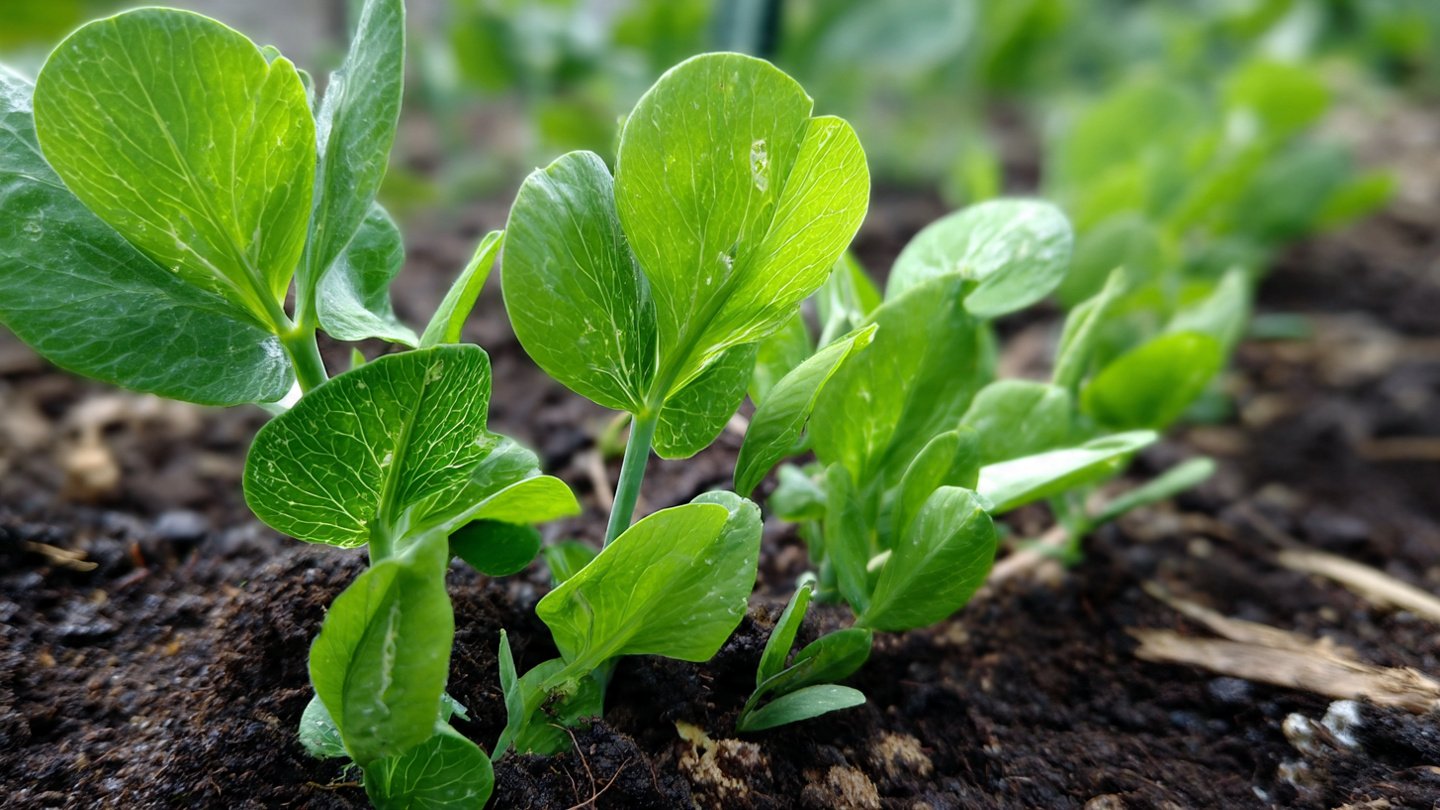
Growing pea greens is a rewarding and relatively easy gardening endeavor. Not only are they nutritious and delicious, but they also grow quickly, making them a great choice for both novice and experienced gardeners. In this article, we’ll explore how to grow pea greens fast and easily, covering the best methods, optimal conditions, and tips for a successful harvest.
Understanding Pea Greens
Pea greens are the young shoots and leaves of the pea plant (Pisum sativum). They have a sweet, fresh flavor and are packed with vitamins A, C, and K, along with essential minerals. Often used in salads, stir-fries, and garnishes, pea greens are an excellent addition to any diet, contributing both taste and nutritional value.
Benefits of Growing Pea Greens
- Quick Growth: Pea greens can grow from seed to harvest in as little as 2-3 weeks.
- Nutritional Value: They are a powerhouse of vitamins, antioxidants, and fiber.
- Easy to Grow: Pea greens thrive in various conditions, making them suitable for both indoor and outdoor gardening.
- Biodiversity: They contribute to soil health by fixing nitrogen, enhancing the growth of subsequent crops.
Choosing the Right Peas for Pea Greens
Before planting, it’s essential to select the right variety of peas. There are several types that work best for growing pea greens:
- Sweet Peas (Pisum sativum var. saccharatum): These are typically the best option for pea greens, providing a sweet flavor.
- Snow Peas (Pisum sativum var. macrocarpon): These have edible pods and offer a great balance of sweetness and pea flavor.
- Snap Peas (Pisum sativum var. macrocarpon): Similarly to snow peas, snap peas have crisp, sweet pods that can be enjoyed alongside their greens.

Preparing for Planting
To grow pea greens, you’ll need the following materials:
- Seeds: Select high-quality pea seeds from a reliable source.
- Containers: If growing indoors, choose shallow containers (at least 2-3 inches deep) to maximize space.
- Soil: Use a well-draining, organic potting mix with good moisture retention.
- Light Source: A sunny windowsill or grow lights for indoor growth.
- Watering Can or Spray Bottle: For gentle watering.
Soil Preparation
- Choose a Potting Mix: Look for an organic mix that contains elements like peat, vermiculite, or perlite.
- Adjust pH: Peas prefer slightly acidic to neutral soil (pH 6.0 to 7.0). You can test the pH using a simple kit available at gardening stores.
- Fertilization: In most cases, pea greens don’t require heavy fertilization, but a diluted organic fertilizer can be beneficial.

Planting Pea Greens
- Soak the Seeds: Soak your seeds in water for 4-6 hours before planting. This helps to soften the seed coat and speeds up germination.
- Sow the Seeds:
- For containers: Scatter seeds evenly over the soil surface, roughly 1 inch apart. Press them down slightly, then cover with a thin layer of soil.
- For garden beds: Plant seeds in rows, spaced 1-2 inches apart, and cover lightly with soil.
- Water Gently: Use a spray bottle or watering can to moisten the soil without displacing the seeds.
Optimal Growing Conditions
Creating the ideal growing environment is crucial for fast and easy growth.
Light Requirements
Pea greens thrive in bright sunlight. If growing indoors:
- Position your containers on a sunny windowsill with at least 6 hours of sunlight per day.
- Alternatively, use grow lights set about 6-12 inches above the plants, running for about 12-16 hours daily.

Temperature and Humidity
Pea greens prefer cooler temperatures, ideally between 60°F and 75°F (16°C to 24°C). If grown outdoors:
- Plant them in early spring or late summer for the best results.
- Monitor humidity levels; maintaining the right balance (around 50-70%) is essential for healthy growth.
Watering
- Initial Watering: After sowing, keep the soil consistently moist but not soggy.
- Ongoing Care: Water regularly, allowing the surface of the soil to dry slightly between waterings.
Germination to Harvest
Germination
Pea greens typically germinate within 7-14 days. Keep an eye on your seeds during this period. If you notice any mold, increase airflow around the plants.
Thinning the Seedlings

Once seedlings are about an inch tall, thin them out to prevent overcrowding. Leave the strongest plants, maintaining spacing of about 2-3 inches apart.
Nutritional Boost
- Fertilization: If you choose, apply a diluted organic fertilizer after a couple of weeks to boost growth.
- Pest Management: Be vigilant about any pests, such as aphids or spider mites. A simple spray of water can help remove them, or consider organic insecticidal soap if problems arise.
Harvesting Pea Greens
When to Harvest
Pea greens are ready for harvest when they reach about 4-6 inches in height, generally around 2-3 weeks after sowing. At this stage, the leaves are tender and flavorful.
How to Harvest
- Use Scissors: Cut the tops of the plants just above the third or fourth set of leaves. This encourages further growth.
- Avoid Damage: Take care not to uproot the entire plant, as you can re-harvest multiple times.
Post-Harvest Care
If you’re growing pea greens in containers, consider moving them to a cooler spot after harvesting to extend freshness. Rinse the greens thoroughly before consuming and store them in the refrigerator in a sealed container with a damp paper towel to keep them crisp.

Troubleshooting Common Issues
- Leggy Growth: This can occur if your plants are not receiving enough light. Move them to a brighter location or adjust your grow lights.
- Slow Growth: Insufficient moisture or nutrients can lead to poor growth. Ensure consistent watering and consider a light fertilizer.
- Pests: Regularly check for pests. Use organic methods to treat infestations and keep plants healthy.
- Fungal Issues: Overwatering can cause fungal diseases. Ensure proper drainage and avoid waterlogging.
Tips for Success
- Rotate Crops: To avoid soil-borne diseases, practice crop rotation in your garden space.
- Companion Planting: Pea greens grow well alongside herbs like basil or cilantro, which can benefit from the nitrogen-fixing properties of peas.
- Experiment with Varieties: Try different varieties of peas to discover which ones you prefer for flavor.
- Use Fresh Seeds: Always use fresh seeds for the best germination rates.
Conclusion
Growing pea greens is an accessible and gratifying gardening project that yields delicious and nutritious results in a short period. By using the methods outlined above—choosing the right seeds, optimizing growing conditions, and ensuring proper care—you can successfully cultivate pea greens fast and easily. Whether you’re an experienced gardener or a novice, this delightful green can enhance your culinary creations all year round. So plant your seeds today and enjoy the fresh taste of homegrown pea greens!