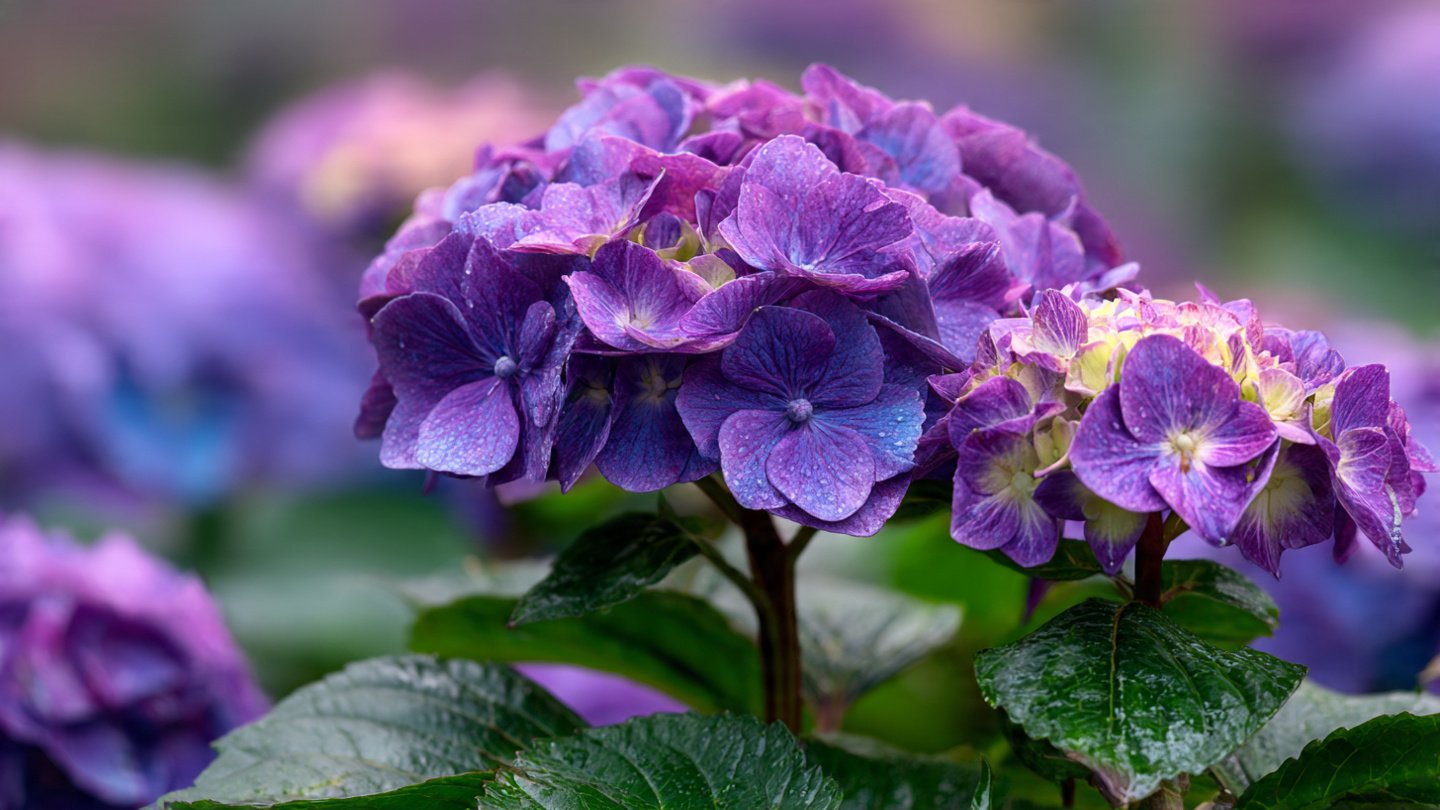
Hydrangeas are among the most beloved flowering shrubs, known for their enormous blooms and vibrant colors. These showy flowers can turn any garden into a picturesque landscape, but many gardeners face challenges when trying to achieve those massive, flourishing blooms. Fortunately, you can unlock the secrets to growing massive hydrangeas naturally. In this article, we will explore the essential factors to consider, practical tips for care, and techniques to improve the bloom size, all while embracing eco-friendly practices.
Understanding Hydrangeas
Before diving into the specifics of growing massive hydrangeas, it’s crucial to understand the different types of hydrangeas and their unique requirements. The most popular varieties include:
- Hydrangea macrophylla (Bigleaf Hydrangea) – Known for its large blooms that can be blue or pink depending on the soil pH.
- Hydrangea paniculata (Panicle Hydrangea) – Features cone-shaped flower clusters and is winter-hardy.
- Hydrangea arborescens (Smooth Hydrangea) – Produces large, white globular flower clusters.
- Hydrangea quercifolia (Oakleaf Hydrangea) – Notable for its oak-shaped leaves and beautiful fall color.
Each variety has different needs when it comes to light, water, and soil. Thus, it’s essential to determine which type of hydrangea you wish to grow before implementing care techniques.
Soil Conditions

The foundation of any successful garden is its soil. Hydrangeas thrive in well-draining, rich, organic soil. Here are a few steps to ensure your soil is optimal for growing massive hydrangeas:
- pH Level: Hydrangeas can change color based on soil pH. To achieve blue blooms, aim for acidic soil (pH below 6). For pink blooms, neutral or slightly alkaline soil (pH 6.5 to 7) is best. Consider using sulfur to lower pH or lime to raise it.
- Organic Matter: Enrich your soil by adding compost or well-rotted manure. This organic material provides necessary nutrients and improves soil structure.
- Drainage: Ensure good drainage by mixing in peat moss or perlite. Hydrangeas dislike soggy soil, so proper drainage prevents root rot.
Watering Techniques
Watering is vital for the health of hydrangeas, especially during the blooming season. Here are some effective watering techniques:
- Deep Watering: Hydrangeas prefer deep, infrequent watering rather than shallow, frequent sprinkling. Aim for a consistent moisture level without waterlogging.
- Mulching: Apply a 3-inch layer of organic mulch (like bark or straw) around the base of the plant. Mulch helps retain moisture, suppresses weeds, and gradually enriches the soil as it decomposes.
- Timing: Water in the early morning or late afternoon to minimize evaporation and allow plants to absorb moisture effectively.
Fertilization Strategies

Well-placed, organic fertilizers can significantly enhance the growth and blooming of hydrangeas. Here’s how to fertilize effectively:
- Type of Fertilizer: Use a balanced organic fertilizer with equal N-P-K (Nitrogen-Phosphorus-Potassium) ratio. Look for products labeled as “slow-release” to provide a steady flow of nutrients.
- Application Timing: Fertilize in the early spring just as new growth begins. A second application can be done in mid-summer for continued nourishment.
- Organic Options: Compost tea, fish emulsion, or seaweed extracts are excellent natural fertilizers that promote growth without chemicals.
Light Requirements
The amount of sunlight hydrangeas receive can significantly impact their growth. Here’s what to consider:
- Location: Most hydrangeas thrive in dappled sunlight or partial shade. Full sun can scorch their leaves, while full shade can hinder blooming.
- Observation: Monitor your plants; if they show signs of wilting or burning, consider moving them to a shadier location.
Pruning Hydrangeas
Proper pruning encourages healthy growth and promotes larger blooms. Here are some pruning tips:

- Know Your Type: Different hydrangeas have different pruning needs. For example, Bigleaf hydrangeas should be pruned right after blooming, while Panicle and Smooth hydrangeas can be pruned in late winter or early spring.
- Remove Dead or Weak Stems: Focus on removing dead, damaged, or weak stems to redirect energy to stronger growth.
- Encourage New Growth: For some varieties, cutting back stems can stimulate new growth, leading to more blooms the following season.
Pest and Disease Management
To grow massive hydrangeas, it’s crucial to keep them healthy and free from pests and diseases. Here are some strategies:
- Regular Monitoring: Check your plants often for signs of pests such as aphids, spider mites, or scale insects.
- Natural Remedies: Use insecticidal soap or neem oil as a natural approach to eliminate pests without harsh chemicals.
- Fungal Diseases: Ensure good air circulation around plants to prevent diseases such as powdery mildew. In case of infection, remove affected leaves promptly.
Encouraging Bloom Production
For massive blooms, consider the following additional techniques:

- Deadheading: Remove spent blooms to encourage new growth and additional blooms throughout the growing season.
- Consistent Care: Maintain a consistent watering and fertilizing schedule to keep plants healthy and robust.
- Encourage Pollinators: Attracting bees and butterflies to your garden can increase pollination rates, leading to healthier blooms.
Conclusion
Growing massive hydrangeas naturally is achievable with the right practices and care. By ensuring optimal soil conditions, adequate watering, proper fertilization, appropriate light, and effective pruning, you can create a thriving environment for your hydrangeas to flourish. Additionally, employing organic methods for pest and disease management will help maintain healthy plants. With patience and dedication, you can unlock the beauty of massive blooms that transform your garden into a floral paradise.
FAQs
1. How long does it take for hydrangeas to bloom?
Hydrangeas typically take about 1-2 years to establish and begin blooming. However, some varieties can bloom in their first year if planted early enough.
2. Can I grow hydrangeas in pots?

Yes, hydrangeas can be successfully grown in pots! Ensure that the container has good drainage, and use a high-quality potting mix.
3. What should I do if my hydrangeas aren’t blooming?
If your hydrangeas aren’t blooming, check for factors like inadequate sunlight, over-pruning, or insufficient nutrients. Adjusting these can often solve the issue.
4. How often should I water my hydrangeas?
It depends on your climate, but generally, hydrangeas need deep watering about once a week. Adjust the frequency based on rainfall and temperature.
5. Are hydrangeas deer-resistant?
Hydrangeas are not typically considered deer-resistant, but certain varieties may be less appealing. Using repellents can help keep deer at bay.