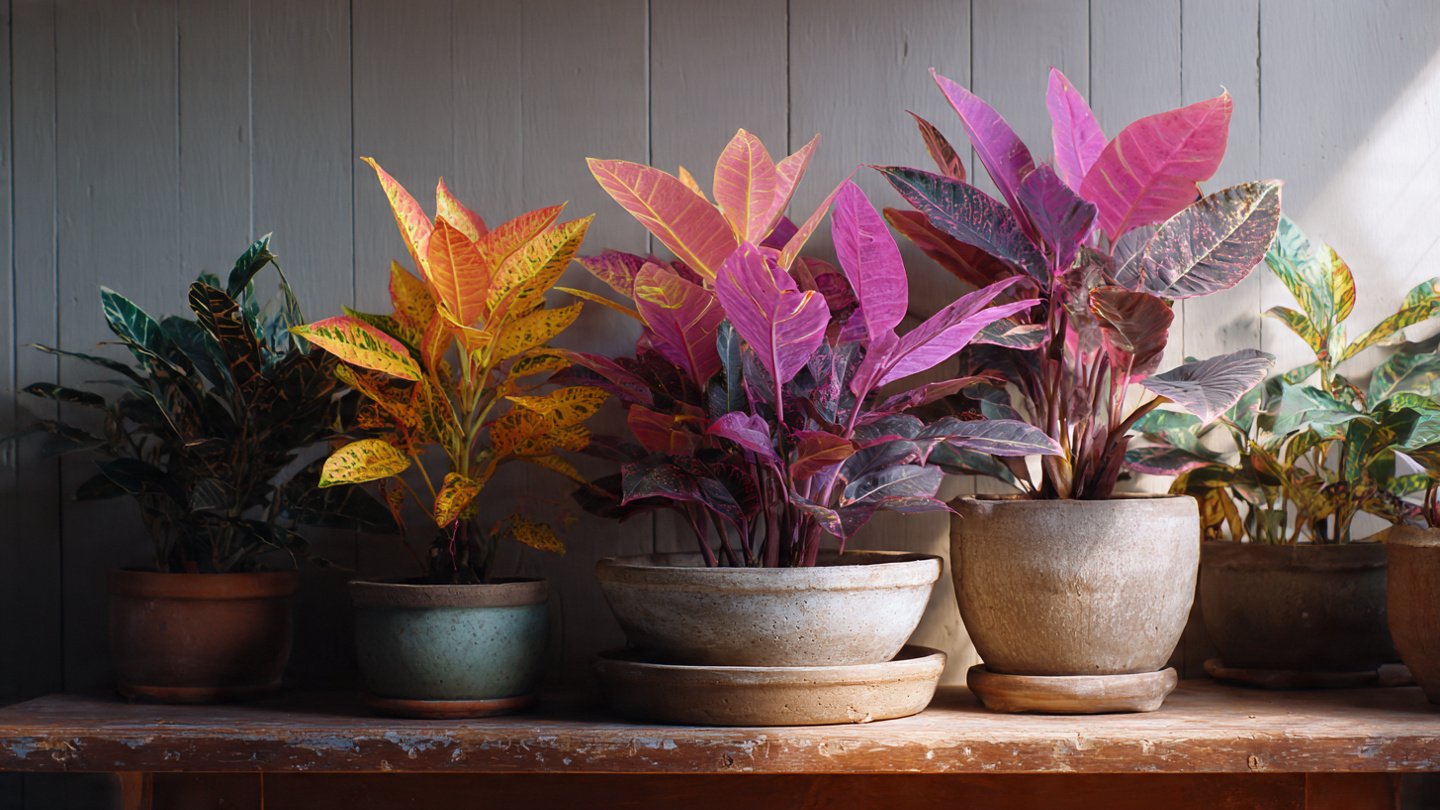
Transforming your home into a lush, vibrant sanctuary filled with colorful foliage is simpler than you might think. Houseplants can significantly enhance the aesthetics of your space, improve air quality, and even boost your mood. This guide will take you through the essentials of indoor gardening, focusing on selecting the right plants, creating the ideal environment, and maintaining your green companions.
Understanding the Benefits of Indoor Plants
Before delving into the specifics of growing colorful foliage indoors, it’s important to understand the myriad benefits plants offer:
-
Aesthetic Appeal: A well-placed plant can instantly elevate a room’s decor, providing visual interest and texture.
-
Improved Air Quality: Plants are known to purify the air by absorbing toxins and releasing oxygen. Varieties like ferns, peace lilies, and snake plants are particularly effective.
-
Enhanced Mood: Studies have shown that being around plants can reduce stress and improve overall well-being.
-
Increased Humidity: Plants can add moisture to the air, beneficial in dry environments or during winter months.
-
Biodiversity: Adding different species can create a mini-ecosystem in your living space, fostering a sense of connection to nature.
Selecting the Right Plants
When choosing indoor plants, consider the following factors to ensure your selections thrive:
1. Light Availability
Different plants have varying light requirements. Assess the light conditions in your home:

- Bright, indirect light: Ideal for plants like pothos, fiddle leaf figs, and rubber plants.
- Low light: Look for hardy varieties like ZZ plants,Snake plants, and peace lilies.
- Direct sunlight: Succulents and cacti thrive in these conditions.
2. Space in Your Home
The amount of space you have influences the size and number of plants you should choose. Consider the following:
- Small Spaces: Opt for smaller plants like succulents or trailing varieties such as string of pearls.
- Larger Spaces: Consider bigger plants like monstera or rubber trees to fill corners and create focal points.
3. Maintenance Level
Choose plants based on how much time you can dedicate to maintenance:
- Low Maintenance: Snake plants, pothos, and ZZ plants require infrequent watering and can tolerate neglect.
- Moderate Maintenance: Plants like peace lilies require periodic watering and attention.
- High Maintenance: Varieties like orchids need specific care conditions and more frequent attention.
4. Color and Texture
To create a vibrant display, select a mixture of plants based on their foliage colors and textures. Look for:
- Variegated Leaves: Plants like the calathea or croton can add stripes of color.
- Different Textures: Combine smooth, waxy leaves with fuzzy or spiky varieties for visual interest.

Creating the Ideal Growing Environment
Once you’ve selected your plants, it’s essential to replicate their natural habitats as closely as possible:
1. Light Conditions
Ensure each plant is positioned according to its light requirements. For rooms lacking natural light:
- Grow Lights: Consider using LED grow lights to provide the necessary spectrum of light.
2. Humidity Levels
Most indoor plants thrive in humidity levels of 40-60%. Here are ways to increase humidity:
- Misting: Regularly mist your plants to maintain moisture.
- Humidity Trays: Place pebbles in trays filled with water and set plants on top (making sure the pot’s bottom isn’t submerged).
3. Temperature
Most houseplants prefer temperatures between 65°F to 75°F (18°C to 24°C). Ensure:
- Avoid placing plants near drafts, heating vents, or air conditioning units.
4. Soil and Potting
Use the right type of soil for your plants. Generally:
- Well-Draining Soil: Most houseplants need potting mix with good drainage. Look for commercial potting mixes designed for indoor plants.
- Repotting: As plants grow, they may need larger pots. Repotting every couple of years can encourage growth and provide fresh nutrients.

5. Watering Needs
Overwatering is one of the most common mistakes in indoor gardening. Here’s how to determine when your plants need water:
- Soil Test: Stick your finger into the soil 1-2 inches deep. If it feels dry, it’s time to water.
- Drainage: Always use pots with drainage holes to prevent root rot.
Maintenance Tips for Healthy Houseplants
To maintain vibrant, healthy foliage, keep the following in mind:
1. Fertilizing
Indoor plants benefit from regular feeding during their growing season (spring and summer):
- Organic Fertilizers: Use slow-release or liquid organic fertilizers to provide essential nutrients.
- Frequency: Feed plants every 4-6 weeks during the growing season.
2. Pruning and Cleaning
Regularly prune dead or yellowing leaves to encourage growth and remove pests:
- Cleaning Leaves: Dust can accumulate on leaves, hindering photosynthesis. Wipe leaves with a damp cloth regularly.
3. Pest Management

Indoor plants can attract pests like aphids, spider mites, and mealybugs. Prevent infestations by:
- Regular Inspections: Check plants regularly for signs of pests.
- Natural Remedies: Introduce beneficial insects, or use insecticidal soap or neem oil if pests are detected.
4. Seasonal Adjustments
Be mindful of seasonal changes that may affect your plants’ needs:
- Winter: Reduce watering and fertilizing in the winter months as most plants enter dormancy.
- Summer: Increase watering frequency and check for signs of stress from heat.
Creative Ways to Display Indoor Plants
Transforming your home is not just about the plants you choose, but also how you display them:
1. Grouping Plants
Create a visually striking arrangement by grouping plants together:
- Vary heights and textures for depth.
- Use plant stands or pedestals to elevate smaller plants.
2. Hanging Planters
Utilizing vertical space is a great way to incorporate more plants:

- Macramé Holders: These hanging planters add a bohemian touch.
- Shelving: Install wall shelves to create a tiered display of your favorite plants.
3. Terrariums
For a modern look, consider creating a terrarium:
- Glass Containers: Choose a glass container for an enclosed ecosystem.
- Layering: Use layers of rocks, activated charcoal, soil, and plants to create a visually appealing display.
4. Incorporating Plants Into Furniture
Use plants as functional decor elements:
- Plant Tables: Opt for coffee tables or side tables with built-in planters.
- Bookshelf Plants: Place small potted plants among books for a unique touch.
Conclusion
Transforming your home with vibrant, colorful foliage is a rewarding endeavor that enhances both your living space and your well-being. By carefully selecting the right plants, creating an ideal growing environment, and maintaining their health, you can easily cultivate a beautiful indoor garden. Whether you’re an experienced plant enthusiast or a beginner, the joy of nurturing plants and watching them thrive is a journey well worth taking. So gather your supplies, select your plants, and start creating your very own indoor oasis!