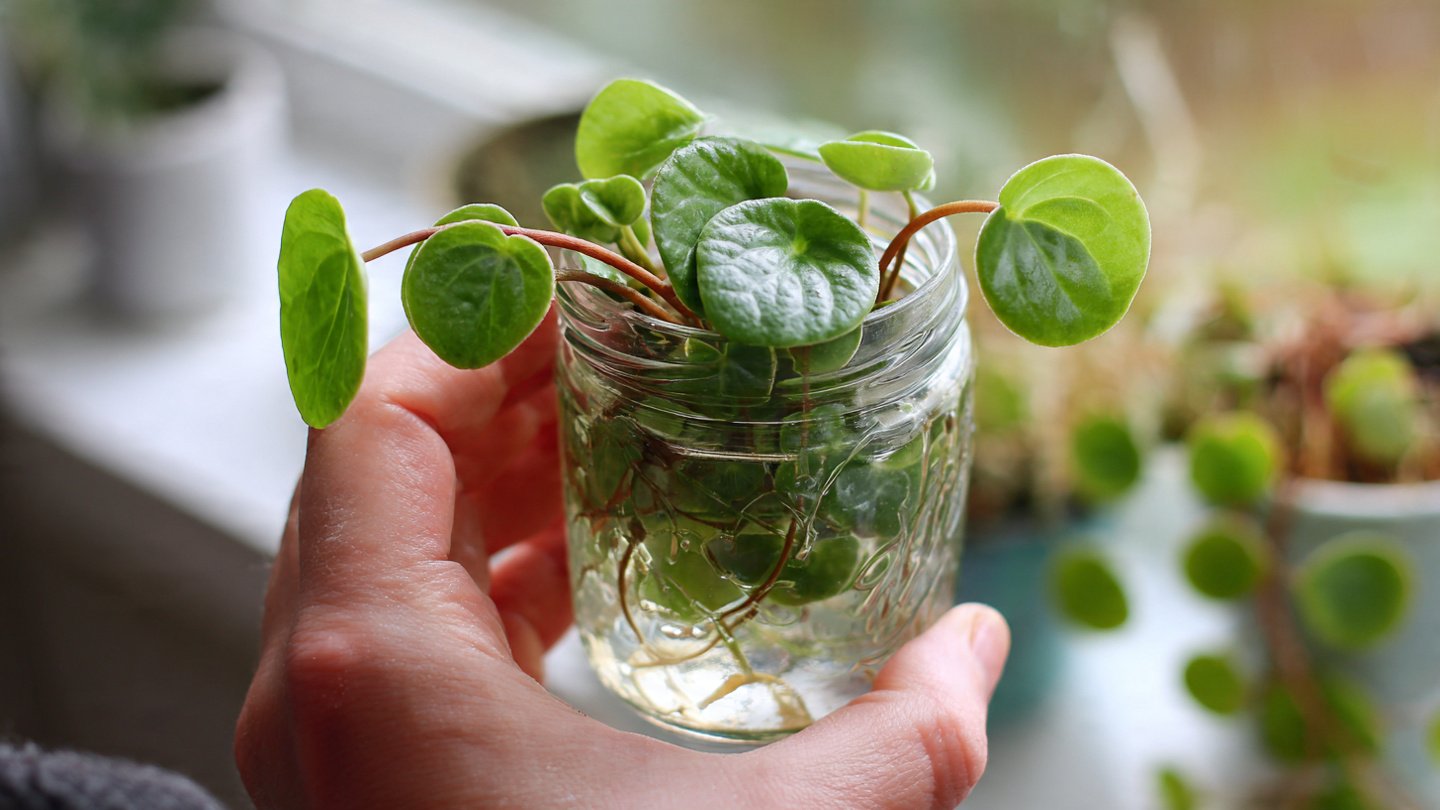
Peperomia, a diverse genus of houseplants belonging to the family Piperaceae, is known for its attractive foliage and ease of care. Among the many species available, Peperomia obtusifolia and Peperomia caperata are particularly popular among plant enthusiasts. If you’re looking to expand your collection or share these delightful plants with friends, propagating Peperomia from leaf cuttings is an effective method. This article will provide you with a detailed guide on how to successfully propagate Peperomia from leaf, ensuring your gardening journey is both enjoyable and fruitful.
Understanding Peperomia
Before delving into propagation techniques, it’s essential to understand Peperomia as a plant. Native to tropical regions, these plants exhibit a variety of leaf shapes, sizes, and colors, ranging from glossy green to marbled and variegated patterns. They are generally hardy, thrive in indirect light, and require minimal water, making them ideal for both beginner and seasoned gardeners.
Types of Peperomia for Propagation
While most Peperomia varieties can be propagated from leaves, some are particularly well-suited for this method. These include:
- Peperomia obtusifolia (Baby Rubber Plant): Known for its succulent-like leaves, this species is forgiving and hardy.
- Peperomia caperata (Ripple Peperomia): Featuring textured foliage, it propagates well from leaves.
- Peperomia argyreia (Watermelon Peperomia): Its striking striping makes it a favorite among collectors.
Understanding the various types of Peperomia will help you select the best variety for propagation based on your aesthetic preferences and growth requirements.
The Best Method for Leaf Propagation

What You Need
To successfully propagate Peperomia from leaf cuttings, you will need the following materials:
- Healthy Peperomia plant (donor plant)
- Sharp, clean scissors or pruning shears
- Small containers or propagation trays
- Well-draining potting mix (a blend of peat, perlite, and vermiculite works well)
- Spray bottle (for moisture)
- Clear plastic bag or dome (optional, for maintaining humidity)
Step-by-Step Guide
1. Selecting the Right Leaves
The initial step in propagation is choosing the right leaves. The leaves should be healthy, free of any signs of disease or pests. Ideally, choose mature leaves that are vibrant in color and firm to the touch. Avoid any leaves that are yellowing, wilting, or damaged, as these will have a reduced chance of rooting.
2. Preparing Cuttings
Using sharp, clean scissors or pruning shears, carefully cut a leaf with a petiole (the stem that attaches the leaf to the plant). An ideal cutting would be approximately 3-4 inches long. Make sure to include a portion of the petiole, as this is critical for successful rooting.

3. Allowing Cuttings to Callous
After cutting, allow the leaf cuttings to sit in a dry, shaded area for about 24 hours. This process, known as callousing, helps prevent rot when the cuttings are placed in the soil. During this time, the cut end of the petiole should dry out and form a protective barrier.
4. Preparing the Soil
While the cuttings callous, prepare your propagation medium. A well-draining mix is crucial, as Peperomia can be prone to root rot. Mix equal parts of peat, perlite, and vermiculite to create an aerated growing medium. Fill your small containers or propagation trays with the prepared mix.
5. Planting the Cuttings
Once the cuttings have calloused, insert the petiole into the prepared soil. The petiole needs to be buried about an inch deep to provide stability. Ensure that the leaf itself remains above the soil. You can propagate multiple cuttings in one container, spacing them apart to allow for growth.
6. Watering
After planting your cuttings, lightly water the soil until it’s moist but not saturated. Overwatering can lead to rot, so it’s essential to keep it on the drier side initially. A spray bottle can be useful for this, allowing you to mist the soil without overdoing it.
7. Creating a Humid Environment
Peperomia cuttings appreciate high humidity, so covering them with a clear plastic bag or dome can help maintain moisture levels. Ensure that the bag does not touch the leaves, as this can cause rot. Alternatively, place the container in a mini greenhouse or under a humidity dome.

8. Placement
Place the containers in a warm location with indirect sunlight. Avoid direct sunlight, which can scorch the leaves and dry out the cuttings. The ideal temperature for propagation is between 70°F to 80°F (21°C to 27°C).
9. Monitoring Moisture
Check the soil moisture regularly. You want to keep the soil consistently moist (not soggy) during rooting. If the soil feels dry, lightly mist it again. Conversely, if it feels too wet, reduce the frequency of watering.
10. Waiting for Roots to Develop
Patience is crucial during this stage. Roots can take anywhere from 2 to 6 weeks to develop fully. You can gently tug at the cuttings slightly; if there’s resistance, roots are forming. Once you’ve confirmed root growth, you can begin changing the care routine.
Transplanting Your Peperomia
When to Transplant
Once your cuttings have developed a strong root system (2-4 inches long), they will be ready for transplanting into their permanent pots. At this point, you can also choose to remove the covering.
Preparing for Transplant
-
Select Pots: Choose pots that are slightly larger than your current containers. They should have drainage holes.

-
Prepare Fresh Soil: Use a similar well-draining potting mix as before.
Transplanting Process
-
Remove Carefully: Gently remove the rooted cuttings from the propagation containers, being cautious not to damage the roots.
-
Place in New Pots: Position the rooted cuttings in the new pots, filling around them with the potting mix to provide support.
-
Watering After Transplant: Water the newly potted plants thoroughly, allowing excess water to drain out.
Aftercare for Your New Peperomia
Light and Watering
After transplanting, continue to provide indirect light. Monitor the watering schedule to ensure the soil remains evenly moist but never soggy.
Fertilizing

Wait about a month after transplanting before applying a balanced liquid fertilizer at half strength. Fertilizing too early can stress the young plants.
Troubleshooting Common Issues
-
Yellowing Leaves: This could signify overwatering or insufficient light. Adjust your care routine accordingly.
-
Wilting Leaves: Often a sign of underwatering or excess sun exposure. Check the soil moisture and light conditions.
Final Thoughts
Propagation can be one of the most rewarding aspects of gardening, and propagating Peperomia from leaf cuttings is a straightforward and enjoyable process. With a little patience and care, you’ll grow a collection of beautiful plants, enhancing your indoor space.
Remember to document your journey, as sharing your experiences can inspire others in the plant care community. Happy gardening!