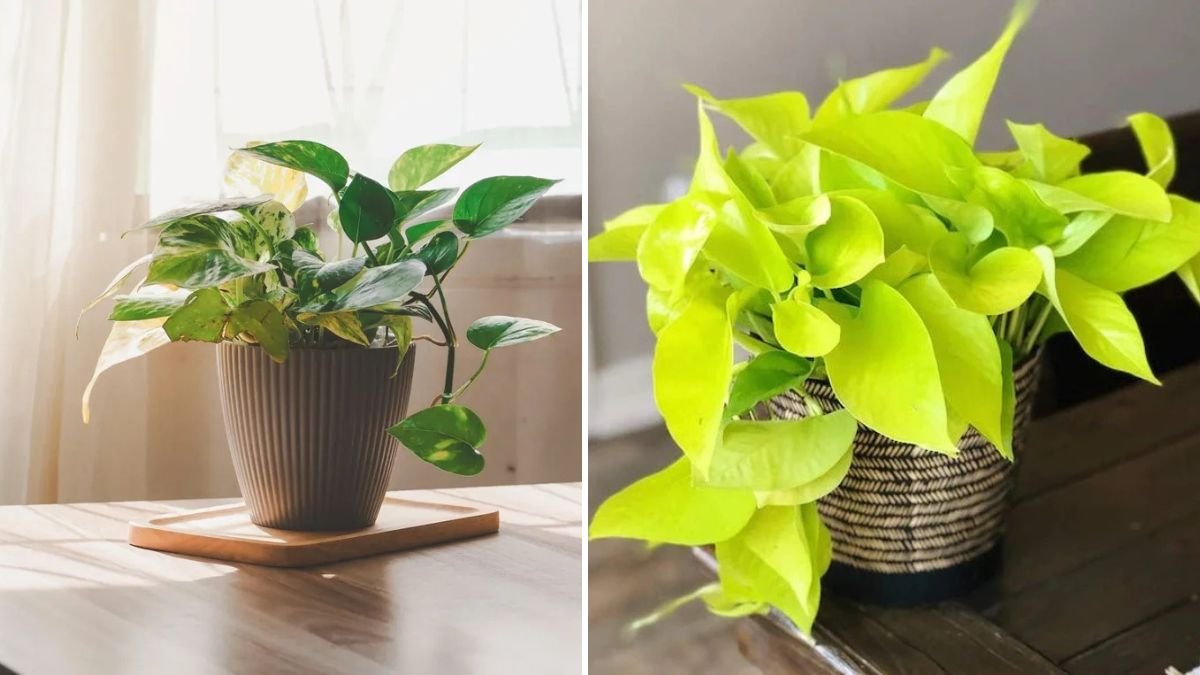
When it comes to houseplants, few choices are as popular and aesthetically pleasing as the Neon Pothos (Epipremnum aureum). This vibrant plant, known for its striking neon green leaves, is not only beautiful but also easy to care for, making it an ideal choice for both novice and experienced plant owners. In this comprehensive guide, we will explore everything you need to know about successfully growing Neon Pothos at home, from its light and water requirements to common pests and propagation techniques.
Understanding Neon Pothos
What is Neon Pothos?
Neon Pothos is a tropical vine originating from the Solomon Islands. It’s part of the Araceae family and is a cultivar of the more common Golden Pothos. The plant gets its name from its distinctive bright, almost fluorescent yellow-green foliage. This eye-catching trait makes it a favorite among indoor gardeners.
Benefits of Growing Neon Pothos
- Air Purifier: Like most Pothos varieties, Neon Pothos helps purify the indoor air by filtering out toxins such as formaldehyde and carbon monoxide.
- Low Maintenance: This plant is forgiving and can survive various conditions, making it perfect for beginners.
- Versatile Decor: Whether in hanging baskets, pots, or trained along a trellis, Neon Pothos adds a pop of color to any space.
Setting the Stage: Optimal Growing Conditions
Light Requirements
One of the primary factors for successful Neon Pothos growth is adequate lighting.
- Indirect Sunlight: Neon Pothos thrives best in bright, indirect sunlight. Direct exposure can lead to leaf burn, while too little light can cause the neon coloration to fade.
- Artificial Lighting: If natural light is limited, fluorescent lights can also work well. A grow light that mimics natural conditions is an excellent supplement.

Soil Preferences
The right soil mix plays a crucial role in the health of your Neon Pothos.
- Well-Draining Soil: Use a potting mix that drains well to prevent root rot. A mix designed for houseplants usually contains peat moss, pine bark, and perlite, which is ideal.
- pH Levels: Neon Pothos prefers a slightly acidic soil with a pH range of 6.0 to 6.5.
Temperature and Humidity
- Temperature: Ideal temperatures for growing Neon Pothos range from 60°F to 85°F (15°C to 29°C). It’s best to keep the plant away from drafts or heaters.
- Humidity: While Neon Pothos can tolerate average household humidity levels, it thrives in higher humidity. If you notice curling leaves, it may be a sign of insufficient humidity.
Watering: The Right Balance
Finding the balance in watering is critical for keeping your Neon Pothos healthy.
- Watering Frequency: It’s essential to let the top inch of soil dry out before watering again. Depending on the season and environment, this could be every 1-2 weeks.
- Signs of Overwatering: Yellow leaves or a mushy stem often indicate that the plant has been overwatered. Ensure there’s proper drainage in the pot to alleviate any excess moisture.
Fertilizing for Optimal Growth

In order to keep your Neon Pothos vibrant and healthy, you’ll need to feed it periodically.
- Type of Fertilizer: A balanced liquid fertilizer diluted to half-strength is advisable. Look for a fertilizer high in nitrogen for lush growth.
- Fertilization Schedule: Feed your plant every 4-6 weeks during the growing season (spring and summer). Reduce this frequency during fall and winter when the plant is dormant.
Pruning and Training Your Neon Pothos
Pruning Techniques
Pruning helps to maintain the shape and promote bushier growth.
- When to Prune: The best time to prune is during the growing season. Remove dead or yellowing leaves to encourage new growth.
- How to Prune: Use sterile scissors or pruning shears to cut just above a node (the small bumps along the stem from which leaves grow). This promotes bushier growth and prevents leggy plants.
Training for Aesthetic Appeal
Neon Pothos can be trained to grow in various ways.
- Hanging Baskets: The trailing vines look lovely cascading over the edge of pots.
- TreLLises: You can use stakes, trellises, or moss poles to train the vines to climb, adding height and dimension to your indoor garden.

Propagation Techniques
Sharing your Neon Pothos is easy through propagation, allowing you to create more plants or gift them to friends.
Stem Cuttings Method
- Select a Healthy Stem: Choose a stem with at least two leaves and make a cut just below a node (where a leaf joins the stem).
- Prepare the Cutting: Remove the leaves from the bottom inch to avoid rot when placed in water or soil.
- Rooting: Place the cutting in a glass of water, ensuring the node is submerged. Change the water every few days until roots develop (generally 2-4 weeks). Alternatively, place it directly in moist potting soil.
- Transplanting: Once the cutting has roots of several inches long, transplant it into a pot with fresh potting mix.
Common Problems and Solutions
Pests
While Neon Pothos is relatively pest-resistant, it can still attract a few nuisances.
- Spider Mites: Small and web-like, they thrive in dry conditions. Increase humidity or use insecticidal soap to combat them.
- Mealybugs and Aphids: These can be removed manually or treated with neem oil or insecticidal soap.
Diseases
- Root Rot: Caused by overwatering, ensure proper drainage and remove affected roots.
- Leaf Spot: Fungal infections due to excess moisture; improve air circulation and avoid wetting leaves.

Leaf Discoloration
- Yellow Leaves: This may indicate overwatering or insufficient light.
- Brown Leaves: Usually a sign of underwatering or low humidity.
Decorating with Neon Pothos
Once you’ve successfully cultivated your Neon Pothos, it’s time to showcase its beauty.
- Mix and Match: Neon Pothos pairs well with other plants like Snake Plants or ZZ Plants. Create a mix of heights and textures for stunning indoor decor.
- Go for a Statement Piece: A large hanging basket or a tall trellis can make a bold statement in any room.
- Use Decorative Pots: Whether you prefer contemporary ceramic or rustic wood, choose pots that complement your interior style.
Common FAQs About Growing Neon Pothos
1. How often should I water my Neon Pothos?
Water when the top inch of soil is dry. Depending on environmental conditions, this may be every 1-2 weeks.
2. Can Neon Pothos tolerate low light?

While it can survive in low light, its vibrant color and growth will thrive best in bright, indirect sunlight.
3. Is Neon Pothos toxic to pets?
Yes, Neon Pothos is mildly toxic to cats and dogs if ingested. Keep it out of reach if you have pets.
4. Can I propagate Neon Pothos in soil instead of water?
Yes, you can place cuttings directly into moist soil. Keep the soil consistently moist until roots develop.
5. How can I encourage bushier growth?
Prune the plant regularly, especially above leaf nodes, to encourage multiple growth points.
6. Is fertilization necessary year-round?
Fertilize during the growing season (spring and summer), but cut back in fall and winter when growth slows.
Conclusion
Growing Neon Pothos at home is not only rewarding but also elevates your indoor decor with its stunning color and resilience. With proper care—including the right light, water, soil, and occasional pruning—you can enjoy this beautiful plant for years to come. Whether you’re an experienced plant lover or just starting your indoor garden, Neon Pothos is a fantastic addition that’s sure to brighten any space while refreshing the air. Happy planting!