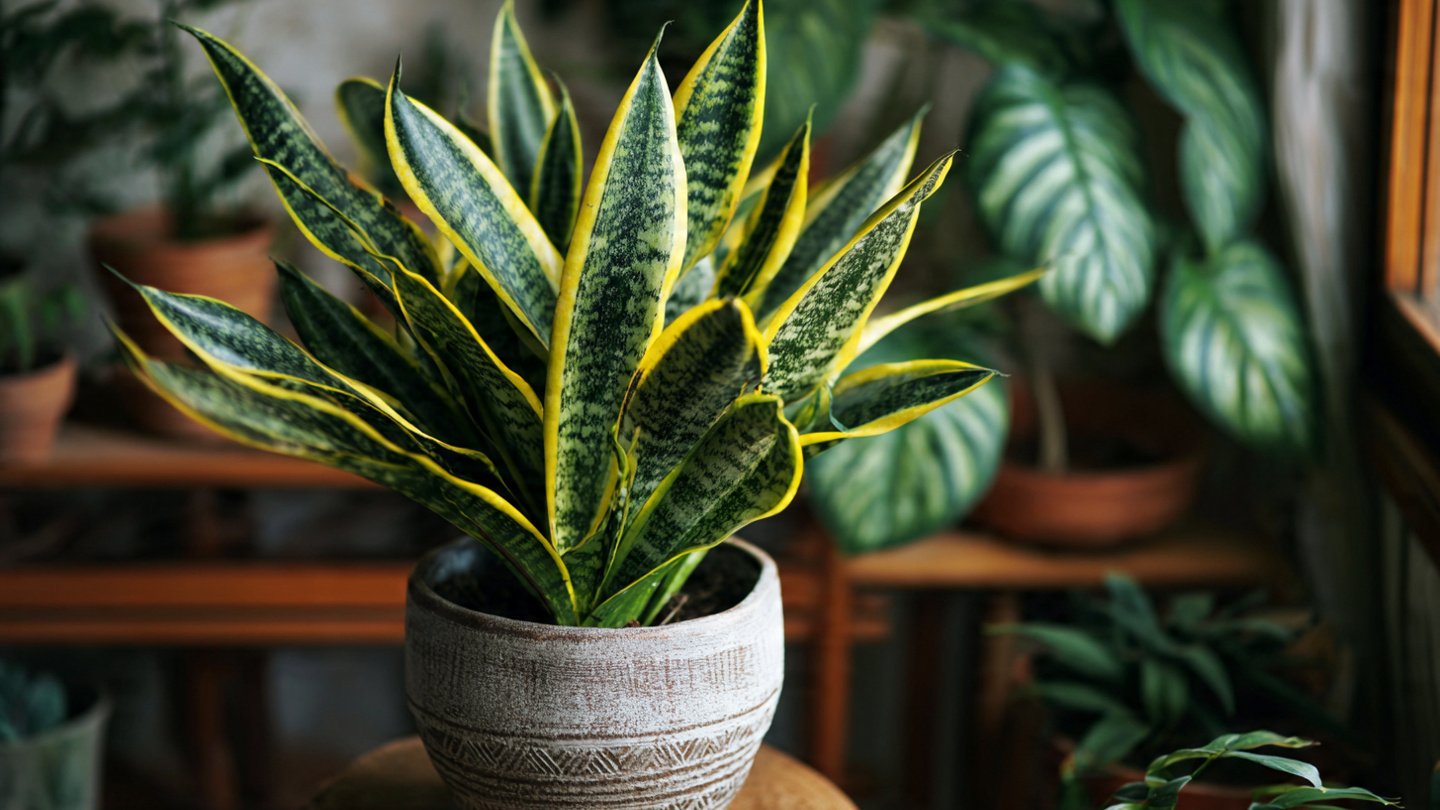
Mother-in-law’s tongue, commonly known as Sansevieria or snake plant, is a popular houseplant celebrated for its striking appearance and low maintenance requirements. Originating from Africa, this hardy succulent thrives in a variety of indoor environments, making it a favorite among both novice and seasoned plant enthusiasts. In this article, we’ll explore how to successfully grow and maintain mother-in-law’s tongue indoors, creating a lush green environment while enjoying the myriad benefits of this resilient plant.
Understanding the Plant
Botanical Information
Mother-in-law’s tongue belongs to the Asparagaceae family, with nearly 70 species recognized. The most common variety, Sansevieria trifasciata, features upright, sword-like leaves that can grow up to 3 feet tall. The leaves are typically green with contrasting darker green bands, creating a striking visual appeal. Additionally, the plant produces small, fragrant white or yellow flowers, although this is rare indoors.
Benefits of Growing Mother-in-Law’s Tongue
-
Air Purification: Sansevieria is known for its ability to filter indoor air pollutants, making it an excellent choice for improving air quality.
-
Low Maintenance: This plant is incredibly forgiving and requires minimal care, making it suitable for busy individuals or those new to gardening.
-
Aesthetic Appeal: With its distinctive architectural form, mother-in-law’s tongue can enhance the visual interest in any room.
-
Adaptability: Sansevieria can thrive in various lighting conditions, from low light to bright indirect light.
How to Grow Mother-in-Law’s Tongue Indoors
Step 1: Choosing the Right Pot and Soil

Pot Selection: Opt for a pot with drainage holes to prevent oversaturation, which can lead to root rot. Terracotta pots are ideal because they allow for better airflow and moisture control.
Soil Mixture: Use a well-draining potting mix. A cactus or succulent mix works well, but you can also create your own by combining regular potting soil with sand or perlite to improve drainage.
Step 2: Proper Lighting Conditions
Mother-in-law’s tongue is highly adaptable when it comes to light. However, it thrives best in indirect sunlight.
- Bright Indirect Light: For optimal growth, place your plant near a window where it can receive filtered light.
- Low Light: If you have limited natural sunlight, don’t worry—this plant can tolerate low light, though growth may slow down.
- Avoid Direct Sunlight: Direct sun can scorch the leaves, leading to brown tips.
Step 3: Watering Techniques
Watering is one of the most critical aspects of growing mother-in-law’s tongue. Since it is a drought-tolerant plant, it’s essential to avoid overwatering.
-
Frequency: Water your snake plant every 2-6 weeks, depending on the season. In winter, reduce watering further as the plant goes into dormancy.
-
Soil Check: Always check the top 1-2 inches of soil; if it’s dry, it’s time to water. Ensure that the water drains through the bottom, allowing the roots to soak it up without sitting in water.
Step 4: Temperature and Humidity
-
Ideal Temperature: Mother-in-law’s tongue prefers temperatures between 60°F to 80°F (15°C to 27°C). It can tolerate higher or lower temperatures, but extremes should be avoided.

-
Humidity Levels: This plant thrives in average indoor humidity. It’s tolerant of dryer environments, making it perfect for indoor conditions.
Step 5: Fertilization
While mother-in-law’s tongue doesn’t require heavy fertilization, a balanced, diluted liquid fertilizer can be applied during the growing season (spring and summer).
- Frequency: Fertilize once a month. In fall and winter, skip fertilization as the plant rests.
Step 6: Pruning and Repotting
-
Pruning: Remove any dead or damaged leaves by cutting them at the base. This encourages new growth and maintains the plant’s appearance.
-
Repotting: Sansevieria grows slowly and usually needs repotting every 2-3 years or when it outgrows its pot. Choose a pot slightly larger than the current one and refresh the soil to provide nutrients.
Step 7: Pest Management
Mother-in-law’s tongue is relatively pest-resistant but can occasionally attract pests like spider mites or mealybugs.
-
Pest Inspection: Regularly inspect the leaves for any signs of infestation. Use a cotton swab dipped in rubbing alcohol to remove pests.
-
Prevention: Keeping the plant clean by wiping the leaves with a damp cloth can help prevent infestations.
Creating a Lush Green Environment
Aesthetic Placement

To enhance the aesthetic appeal of your mother-in-law’s tongue, consider the following tips:
-
Grouping with Other Plants: Combine it with other houseplants of varying heights and textures for a rich, layered look.
-
Dramatic Displays: Plant larger specimens in statement pots to serve as eye-catching centerpieces in your living room or entryway.
-
Shelving and Corners: Snake plants make great additions to shelves or empty corners, where their vertical growth can bring height and structure to the space.
Maintenance Tips
-
Routine Care: Make it a habit to wipe the leaves clean, ensuring that dust doesn’t accumulate and hinder photosynthesis.
-
Seasonal Checks: Adjust light exposure and watering frequency with changes in seasons to ensure optimal growth.
Seasonal Considerations
-
Winter Care: During winter months, reduce watering and ensure the plant is kept away from cold drafts or extreme temperature changes.
-
Summer Growth: In summer, you might notice increased growth; monitor your watering regimen accordingly.
FAQs
1. Can mother-in-law’s tongue survive in low light?
Yes, mother-in-law’s tongue can thrive in low light conditions, though its growth might slow down. Ideally, it performs best in bright, indirect light.

2. How often should I water my mother-in-law’s tongue?
Watering frequency depends on the season. Generally, every 2-6 weeks is sufficient, allowing the soil to dry out between waterings.
3. Is mother-in-law’s tongue toxic to pets?
Yes, Sansevieria is considered mildly toxic to pets if ingested. Keep it out of reach of curious pets.
4. How can I propagate mother-in-law’s tongue?
Propagation can be done through leaf cuttings or division. Simply cut a leaf into sections and place them in soil, or separate a cluster of rhizomes when repotting.
5. Why are the tips of my plant turning brown?
Brown tips can result from low humidity, under-watering, or direct sunlight. Assess the plant’s environment and adjust care as needed.
6. Do mother-in-law’s tongue plants need a lot of nutrients?

No, they are not heavy feeders. Using a diluted fertilizer during the growing season once a month will be sufficient.
7. How long can mother-in-law’s tongue live?
With proper care, mother-in-law’s tongue can thrive for many years, and some plants have been known to live for decades.
Conclusion
Growing mother-in-law’s tongue indoors can be an enriching experience, offering a wealth of benefits along with its stunning visual appeal. With its air-purifying qualities and minimal care needs, it’s perfect for anyone looking to add a touch of green to their home. By following the guidelines outlined in this article, you can ensure your snake plant flourishes, contributing to a vibrant and healthy indoor environment. Happy gardening!