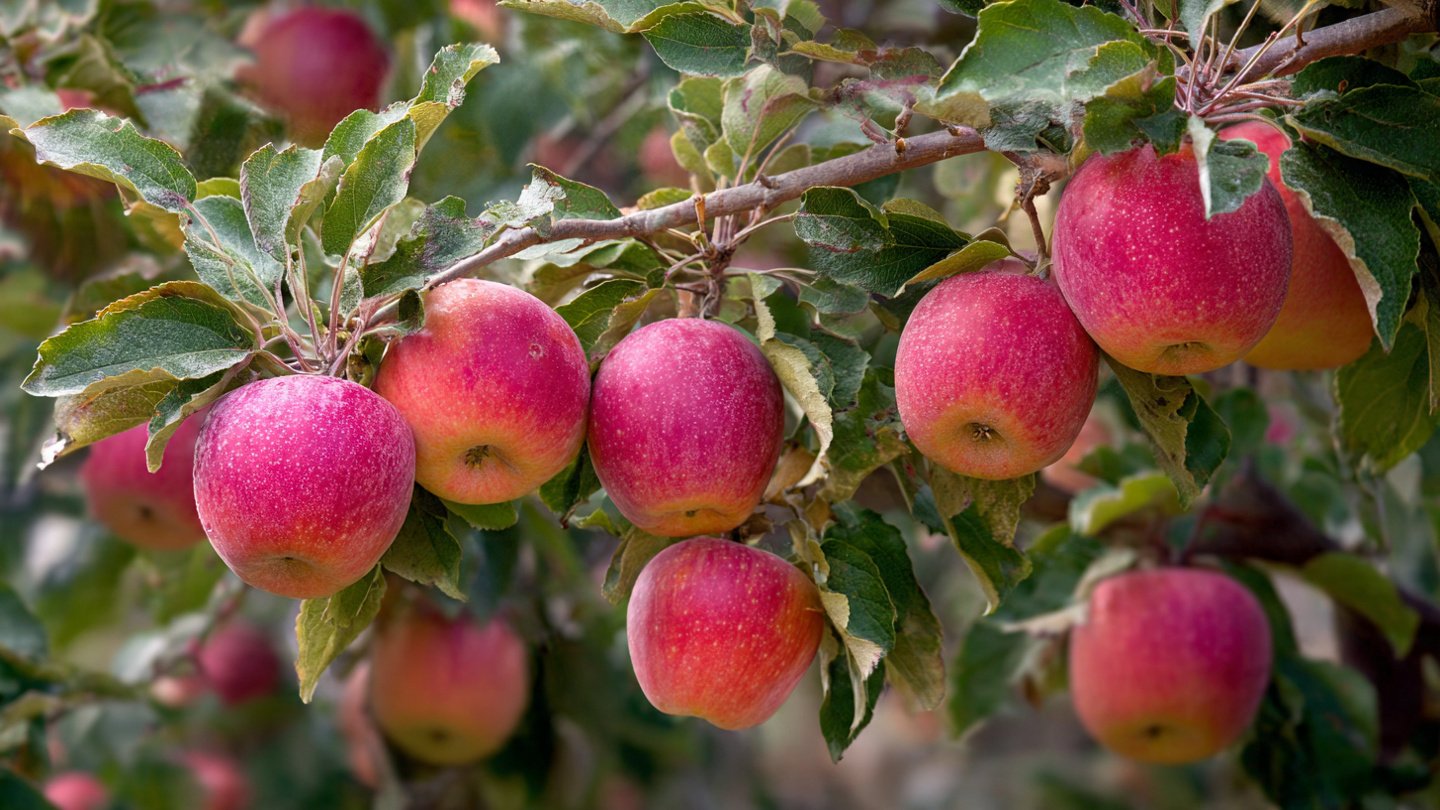
Growing apple trees can be an incredibly rewarding venture, especially if you reside in a cold climate. Liberty apple trees, known for their hardiness, disease resistance, and deliciously crisp fruit, are a perfect choice for gardeners in such regions. In this comprehensive guide, we will explore the essential steps needed to successfully cultivate Liberty apple trees, along with a section for frequently asked questions (FAQs) to address any lingering queries.
Understanding Liberty Apple Trees
Liberty apple trees (Malus domestica ‘Liberty’) were developed by the New York State Agricultural Experiment Station and are renowned for their exceptional cold hardiness and disease resistance, particularly to apple scab, cedar-apple rust, and powdery mildew. They produce medium to large, red-skinned apples that are crisp, juicy, and excellent for fresh eating, cooking, and cider-making.
Characteristics of Liberty Apple Trees
- Cold Hardiness: Survives in USDA hardiness zones 4-8.
- Flavor: Sweet-tart flavor with firm flesh, great for fresh consumption or cooking.
- Disease Resistance: High resistance to common apple diseases.
- Pollination: Requires a pollinator; best results when paired with another apple variety.
Preparing for Planting
Selecting the Right Location
Choosing the right site is crucial for successful apple cultivation:
- Sunlight: Liberty apple trees require full sunlight for at least six hours a day. Look for a south-facing slope or area with minimal shade.
- Soil: Soil should be well-draining, loamy, and rich in organic matter. Ideal pH levels range from 6.0 to 7.0. Test soil before planting and amend as necessary.
- Wind Protection: Cold winds can damage blossoms and reduce yields. Consider planting trees near structures, hedges, or using windbreaks to shield them.
Soil Preparation
Before planting your Liberty apple trees:
- Clear the Area: Remove all weeds, grass, and debris from the planting site.
- Amend the Soil: Add organic compost or well-rotted manure to improve soil fertility and structure.
- Test Soil pH: Adjust based on soil test results by adding lime (to raise pH) or sulfur (to lower pH).
Planting Liberty Apple Trees
When to Plant
In cold regions, the best time to plant apple trees is in early spring, once the ground has thawed and there’s no risk of frost. Fall planting is also possible in mild climates but requires careful mulching and protection from freezing temperatures.
Planting Steps
- Digging the Hole: Each hole should be twice as wide and as deep as the tree’s root ball.
- Watering: Soak the roots of the tree in water for a few hours before planting.
- Placement: Place the tree in the center of the hole, ensuring that the graft union (the bulge where the tree was grafted onto the rootstock) is slightly above soil level.
- Filling the Hole: Backfill the hole with a mixture of native soil and compost. Gently tamp down to eliminate air pockets.
- Watering: Water deeply after planting to help settle the soil around the roots.

Caring for Liberty Apple Trees
Watering
Established Liberty apple trees need about an inch of water each week, especially during dry spells. However, avoid over-watering as it can lead to root rot. Use a mulch layer to conserve moisture and suppress weeds.
Fertilizing
- Initial Fertilization: Incorporate balanced fertilizer (10-10-10) during planting. Follow the manufacturer’s instructions for dosage.
- Subsequent Applications: Fertilize in early spring each year, adjusting amounts based on growth and soil nutrient levels.
Pruning
Pruning is crucial for maintaining the tree’s shape and health. Aim to prune in late winter or early spring before new growth begins.
- Remove dead or diseased branches to promote airflow.
- Thin out branches to allow sunlight to penetrate the tree.
- Shape the tree into an open, vase-like structure for optimal productivity.
Pest and Disease Management
Despite their disease resistance, Liberty apple trees can still face issues:
- Codling Moths: Use organic traps or sprays to control infestations.
- Aphids: Introduce beneficial insects like ladybugs or use insecticidal soap.
- Powdery Mildew: Ensure good air circulation through pruning and apply fungicides if necessary.
Winter Protection
In colder regions, protecting your apple trees during winter is critical:
- Mulch: Apply a thick layer (3-4 inches) of mulch around the base to insulate the roots.
- Wrap the Trunk: Use tree wrap or burlap to protect the trunk from temperature fluctuations and sunscald.
- Snow Cover: If snow is present, it acts as an insulator; avoid removing it.
Harvesting Your Apples
Liberty apples typically ripen in late summer to early fall. Signs of ripeness include:
- Color changing to a deep red.
- The fruit giving slightly under pressure.
- A sweet aroma.
To harvest, twist the apple gently, or cut the stem, taking care not to damage the tree or surrounding fruit.
Post-Harvest Care
Once harvested, Liberty apples should be stored properly:
- Cooling: Keep apples in a cool, dark place.
- Humidity: Maintain high humidity (around 90%) to prevent shriveling.
- Sorting: Regularly check for spoilage and remove any damaged fruit.
FAQs
1. How long does it take for Liberty apple trees to bear fruit?

Liberty apple trees typically bear fruit within 3 to 5 years after planting, depending on growing conditions and care.
2. Can I grow Liberty apple trees in containers?
Yes, Liberty apple trees can be grown in large containers. Ensure the pot has good drainage and provide sufficient space for root growth.
3. What pollinators work well with Liberty apple trees?
Liberty apple trees require a pollinator. Compatible pollinator trees include Honeycrisp, Granny Smith, or any other apple variety that blooms around the same time.
4. How can I tell if my apple trees are suffering from a disease?
Signs may include discolored leaves, abnormal fruit formation, or stunted growth. If you suspect disease, consult local agricultural extension services or specialists.
5. What are the best practices for winterizing apple trees in cold regions?
Apply mulch around the base, wrap the trunks to protect against freezing, and ensure snow cover is intact, as it acts as insulation.
Conclusion
Successfully growing Liberty apple trees in cold regions requires careful planning, diligent care, and ongoing attention to environmental factors. With their resistance to diseases and adaptability to cold climates, Liberty apple trees can provide bountiful harvests of delicious apples for years to come. By following the guidelines outlined in this article, you’ll be well on your way to enjoying homegrown apples while creating a thriving apple orchard. Happy planting!