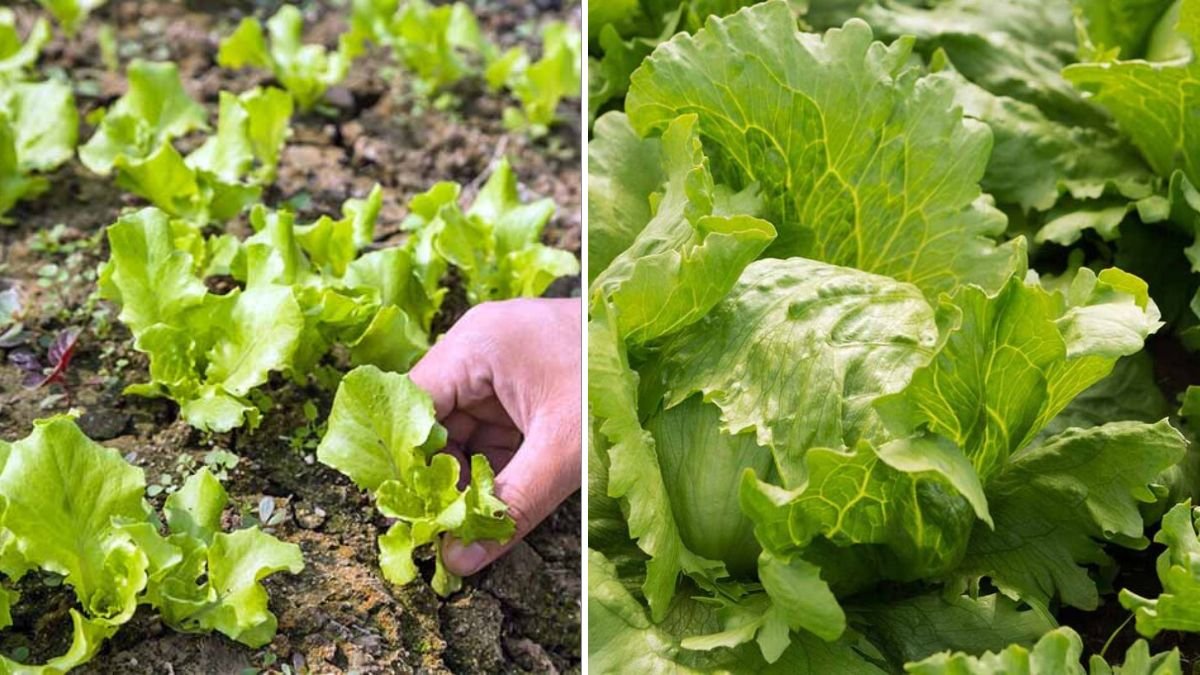
Growing iceberg lettuce in containers is an excellent choice for urban gardeners who may not have access to traditional garden beds. Iceberg lettuce is a crisp, refreshing vegetable that thrives in cooler temperatures and can be grown on balconies, patios, or even window sills. In this comprehensive guide, we will explore the steps necessary to successfully grow iceberg lettuce in containers, from choosing the right materials to caring for your plants.
1. Selecting the Right Containers
Size Matters
When growing iceberg lettuce, choose containers that are at least 12 inches deep and wide. This depth is crucial for accommodating the root system, allowing the plants to grow adequately without becoming root-bound.
Material Choices
Containers can be made from various materials, including plastic, ceramic, or fabric. Each has its pros and cons:
- Plastic: Lightweight, affordable, and easy to move. They retain moisture well.
- Ceramic: Attractive but can be heavy and may crack in freezing temperatures.
- Fabric: Allows for good drainage and air exchange, promoting healthier roots.
Drainage
Ensure your containers have drainage holes. Good drainage is essential to prevent waterlogging, which can lead to root rot and other fungal diseases.
2. Choosing the Right Soil

Quality Matters
Use high-quality potting soil that is suitable for container gardening. Look for soil blends that contain:
- Organic Matter: Improves soil structure and nutrient retention.
- Perlite or Vermiculite: Enhances aeration and drainage.
Nutrient-Rich
Before planting, you can mix in a slow-release fertilizer to provide the necessary nutrients for your iceberg lettuce. Look for fertilizers with a balanced N-P-K ratio (Nitrogen-Phosphorus-Potassium), ideally something around 10-10-10.
3. Planning Your Planting Schedule
Ideal Growing Conditions
Iceberg lettuce prefers cooler temperatures, ideally between 60°F to 70°F (15°C to 21°C). In warmer climates, plan your planting for early spring or late summer to fall.
Seeds vs. Transplants
You can either start iceberg lettuce from seeds or purchase young plants from a nursery. If starting from seeds, sow them directly into the container, spacing them about 6 to 12 inches apart, depending on your container size.
Germination Time
Seeds typically germinate within 7 to 14 days. If you’re using transplants, plant them at the same depth they were growing in their nursery pots.

4. Watering Your Iceberg Lettuce
Consistent Moisture
Iceberg lettuce requires consistent moisture, so it’s essential to check the soil regularly. Aim for moist but not soggy soil to prevent root rot.
Watering Technique
Water at the base of the plant rather than overhead to reduce the risk of fungal diseases. A drip irrigation system or watering can with a long spout can help ensure deep watering.
Mulching
Adding a layer of organic mulch can help retain soil moisture and keep the roots cool. Organic materials like straw or shredded leaves work well.
5. Light Requirements
Sunlight Needs
Iceberg lettuce grows best in full sun, requiring at least 6 hours of direct sunlight per day. In extremely hot climates, consider providing some afternoon shade to prevent bolting (going to seed).
Indoor Options
For indoor gardening, a south-facing window is ideal. If natural light is limited, consider using grow lights, ensuring they are on for about 12-16 hours a day.

6. Pest and Disease Management
Common Pests
Keep an eye out for pests such as aphids, slugs, and snails, which can damage your plants. Here’s how to manage them:
- Handpicking: Remove slugs and snails manually.
- Insecticidal Soap: Use a spray to tackle aphids; be sure to follow instructions carefully.
Disease Prevention
Fungal diseases can be common in damp conditions. Ensure good air circulation and avoid overhead watering to minimize risks.
7. Harvesting Your Iceberg Lettuce
Knowing When to Harvest
Iceberg lettuce is ready to harvest when the heads feel firm and dense. Generally, this occurs about 70 to 80 days after sowing seeds or 40 to 50 days after transplanting.
Harvesting Techniques
Use a sharp knife to cut the heads at the base. Be careful not to pull the plants, as this may disrupt the roots of nearby plants.
Continued Growth

If you carefully cut the head just above the base, it can sometimes encourage a second crop of smaller leaves from the remaining plant.
8. Storing Your Harvest
Post-Harvest Care
After harvesting, rinse the lettuce under cold water to remove any dirt or insects. Pat them dry with a towel.
Storage Tips
Store iceberg lettuce in the refrigerator, wrapped in a damp paper towel and placed inside a plastic bag. It can last for about a week this way.
Conclusion
Growing iceberg lettuce in containers is a rewarding project for urban gardening enthusiasts. With the right container, soil, and care, you can successfully cultivate crisp, delicious heads of lettuce that will enhance your salads and meals.
As urban spaces become increasingly limited in gardening opportunities, container gardening offers a viable solution to grow your favorite vegetables, even in small spaces.
FAQs
1. Can I grow iceberg lettuce indoors?
Yes, you can grow iceberg lettuce indoors as long as you provide sufficient light—ideally, 12-16 hours daily through a grow light.
2. How often should I fertilize my iceberg lettuce?
Fertilize your lettuce every 4-6 weeks with a balanced fertilizer to support its growth. Always follow the recommended dosage on the label.

3. Is iceberg lettuce difficult to grow?
Iceberg lettuce is relatively easy to grow, making it a great option for beginners. Just ensure proper watering and light conditions.
4. What can I plant alongside iceberg lettuce?
Companion plants like radishes, carrots, and onions do well when planted alongside iceberg lettuce. Avoid planting with crops in the brassica family, like cabbage.
5. How do I prevent my lettuce from bolting?
To prevent bolting, ensure your lettuce gets enough water, avoid high temperatures, and harvest promptly when mature.
6. Can I grow iceberg lettuce from store-bought lettuce?
Yes, you can grow iceberg lettuce from the leftover base of store-bought lettuce. Just place it in water until roots develop, then transfer it to a pot.
7. How much sunlight does iceberg lettuce need?
Iceberg lettuce prefers full sun, ideally receiving at least 6 hours of direct sunlight daily.
By following these guidelines, you’ll be well on your way to enjoying a bountiful harvest of homegrown iceberg lettuce, right from the comfort of your own urban oasis. Happy gardening!