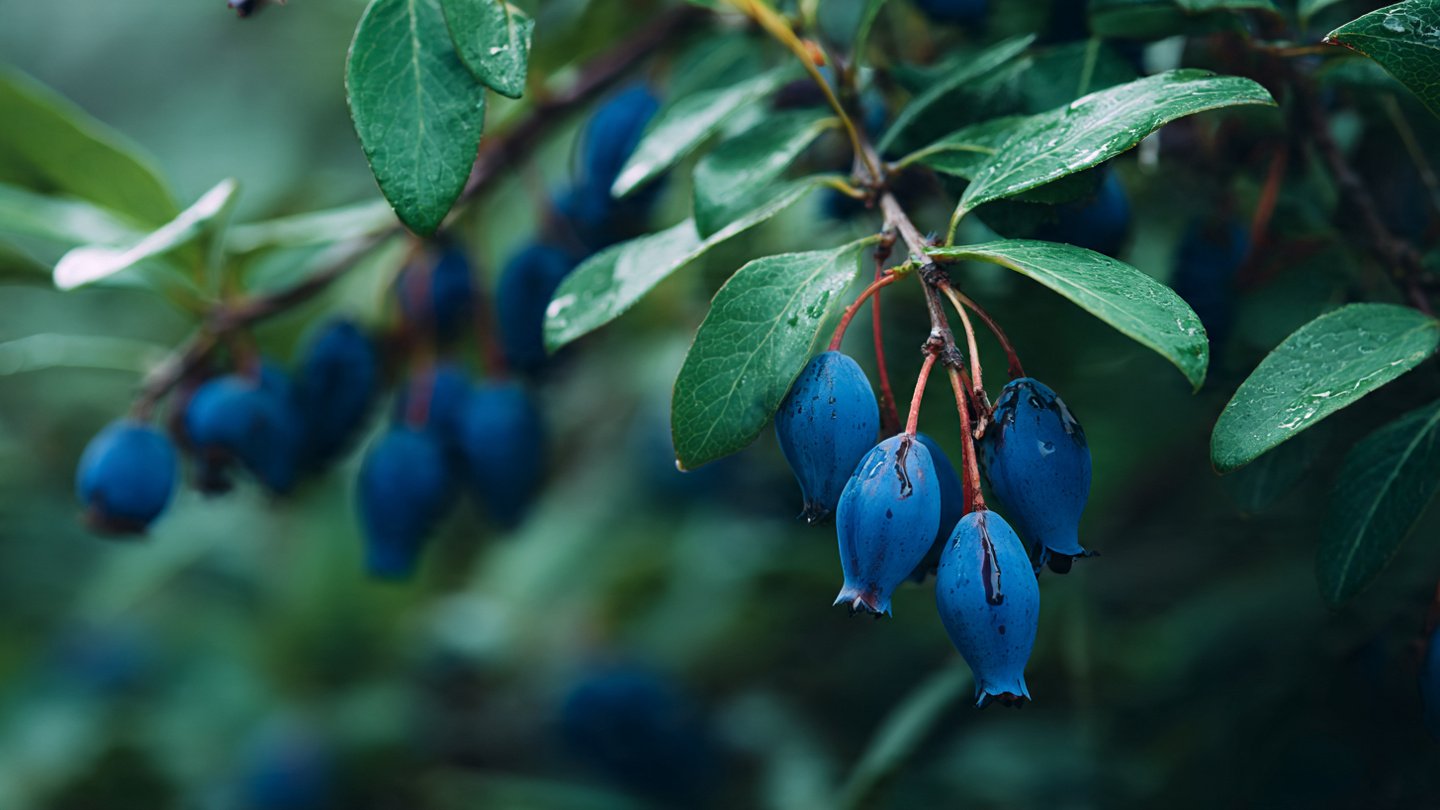
Honeyberries, also known as Haskap berries, are gaining popularity among home gardeners for their unique flavor and high nutritional value. Unlike many berry varieties, honeyberries bloom earlier in the spring, making them a fascinating addition to any garden. With the right care and conditions, you can successfully grow honeyberries at home and enjoy delicious, nutrient-rich berries year-round. This guide will take you through everything you need to know about honeyberry cultivation, including planting, caring for, and harvesting this fantastic fruit.
1. Choosing the Right Variety
When selecting honeyberry plants, it’s crucial to choose varieties suited to your climate. There are several cultivars available, each with unique flavor profiles, growth habits, and resistance to disease. Here are a few popular varieties:
- ‘Blue Moon’: Known for its large, sweet berries, this variety is excellent for fresh eating.
- ‘Honeybee’: A hardy option, ‘Honeybee’ produces medium-sized berries that are sweet and tangy.
- ‘Borealis’: This variety is cold-hardy and offers sweet, flavorful berries, great for preserves.
- ‘Tundra’: Optimal for colder climates, ‘Tundra’ yields a high quantity of juicy berries with a slight tartness.
Pollinization
Honeyberries are best cross-pollinated for optimal fruiting. It’s advisable to plant at least two different varieties in proximity, as this will enhance fruit yield and quality.
2. Selecting the Right Location
Sunlight
Honeyberries thrive in full sun to partial shade. Ideally, they should receive at least six hours of sunlight daily. When choosing a location, consider areas that offer protection from strong winds, as these can damage the delicate blooms.
Soil Requirements

Honeyberries prefer well-draining, sandy or loamy soil. The pH level should ideally be between 6.0 and 7.0. Conduct a soil test to evaluate its pH and nutrient content, as this will guide you on necessary amendments.
Preparing the Soil
- Test the Soil: Use a soil test kit to determine composition and pH.
- Amend as Necessary: If the soil is too acidic, add lime. If it’s too alkaline, incorporate sulfur to adjust the pH.
- Add Organic Matter: Incorporate compost or well-rotted manure to enrich the soil and enhance drainage.
3. Planting Honeyberries
Timing
The best time to plant honeyberries is in early spring or late fall when the plants are dormant. This ensures they have adequate time to establish their roots before the growing season begins.
Steps to Plant
- Choose Healthy Plants: Look for healthy, disease-free nursery stock.
- Digging the Hole: Make a hole that is twice the width and the same depth as the root ball of the plant.
- Spacing: Space honeyberry plants about 3-4 feet apart to allow for adequate air circulation and growth.
- Placing the Plant: Fill in with soil and water well to eliminate air pockets. Ensure the crown of the plant is at the soil level.
Watering
Immediately after planting, give the plants a thorough watering. They require consistent moisture, particularly during the growing season, but avoid waterlogging as this can cause root rot.

4. Caring for Honeyberries
Watering
Regular watering is critical in the first few years. Aim for approximately one inch of water per week during dry spells. Use mulch around the base to help retain moisture and suppress weeds.
Fertilization
Honeyberries benefit from a balanced fertilizer in early spring. A slow-release fertilizer with a ratio like 10-10-10 or an organic option such as fish emulsion will support healthy growth.
Pruning
Pruning honeyberry plants helps them maintain structure and encourages fruit production. Here’s how to prune:
- Timing: Prune in late winter or early spring before new growth begins.
- Removal of Dead/Damaged Wood: Cut away any dead or damaged branches.
- Thinning: Remove some of the older branches to allow sunlight and air to penetrate the plant.
Pest and Disease Management
Honeyberries are generally resistant to disease, but keep an eye out for common pests such as aphids, spider mites, and fruit flies. Use organic pest control methods whenever possible, such as introducing beneficial insects or utilizing insecticidal soap.
5. Pollination and Fruit Production

As previously mentioned, honeyberries are self-pollinating but benefit greatly from having more than one variety. To encourage fruit set:
- Encourage Pollinators: Plant flowers nearby to attract bees and other pollinators.
- Hand Pollination: If you notice poor fruit set, consider hand-pollinating by gently brushing the flowers with a soft brush to transfer pollen.
6. Harvesting Honeyberries
Timing
Honeyberries ripen in late spring to early summer, generally between late May and early June, depending on the variety and climate. Look for deep blue or purple berries that have a slight sheen.
How to Harvest
- Gently Twist or Pull: Honeyberries should come off easily when ripe.
- Use Gloves: These berries can stain fingers, so consider wearing gloves during harvest.
- Collect in Shallow Containers: Avoid crushing the berries by using shallow containers for gathering.
7. Storing Honeyberries
Honeyberries are best enjoyed fresh, but they can be frozen for later use. Here’s how to store them:
- Refrigeration: Store fresh honeyberries in the refrigerator for up to a week.
- Freezing: Spread freshly washed berries on a baking sheet to freeze individually, then transfer them to airtight containers or freezer bags.

8. Delicious Ways to Enjoy Honeyberries
Honeyberries can be used in a variety of culinary applications, including:
- Smoothies: Blend with yogurt and bananas for a nutrient-packed drink.
- Jams and Jellies: Combine honeyberries with sugar and lemon juice to make delicious spreads.
- Desserts: Use in pies, tarts, or as a topping for pancakes and waffles.
- Salads: Add to fresh greens for a flavorful salad.
FAQ Section
Q1: How long does it take for honeyberries to produce fruit?
Honeyberry plants typically begin producing fruit within 2-3 years after planting, depending on the variety and growing conditions.
Q2: Can honeyberry plants survive winter?
Yes, honeyberries are hardy plants. Most varieties can withstand temperatures as low as -40°F (-40°C). However, providing winter mulch can help protect their roots.
Q3: How do I know when honeyberries are ripe?
Ripe honeyberries will have a deep blue or purple color and a slight sheen. They should feel slightly soft to the touch when ready for harvest.

Q4: Are honeyberries self-pollinating?
Yes, honeyberries are self-pollinating, but planting multiple varieties will enhance fruit quantity and quality.
Q5: Do honeyberries require a lot of maintenance?
Once established, honeyberries are relatively low-maintenance. Regular watering, occasional pruning, and pest monitoring are the main tasks needed for healthy growth and fruit production.
Q6: What are the health benefits of honeyberries?
Honeyberries are rich in antioxidants, vitamins A and C, fiber, and other nutrients, making them a healthy addition to your diet.
Q7: How can I propagate honeyberry plants?
Honeyberry plants can be propagated through softwood cuttings taken in late spring or early summer or by dividing existing plants in early spring.
Conclusion
Growing honeyberries at home can be a rewarding experience, offering not only delicious, nutritious fruit but also the joy of cultivating a unique plant. By following the steps outlined in this guide, you will be well on your way to enjoying a bountiful harvest. Whether you opt for fresh eating, preserving, or using them in recipes, honeyberries add a delightful twist to your gardening and culinary adventures. Happy growing!