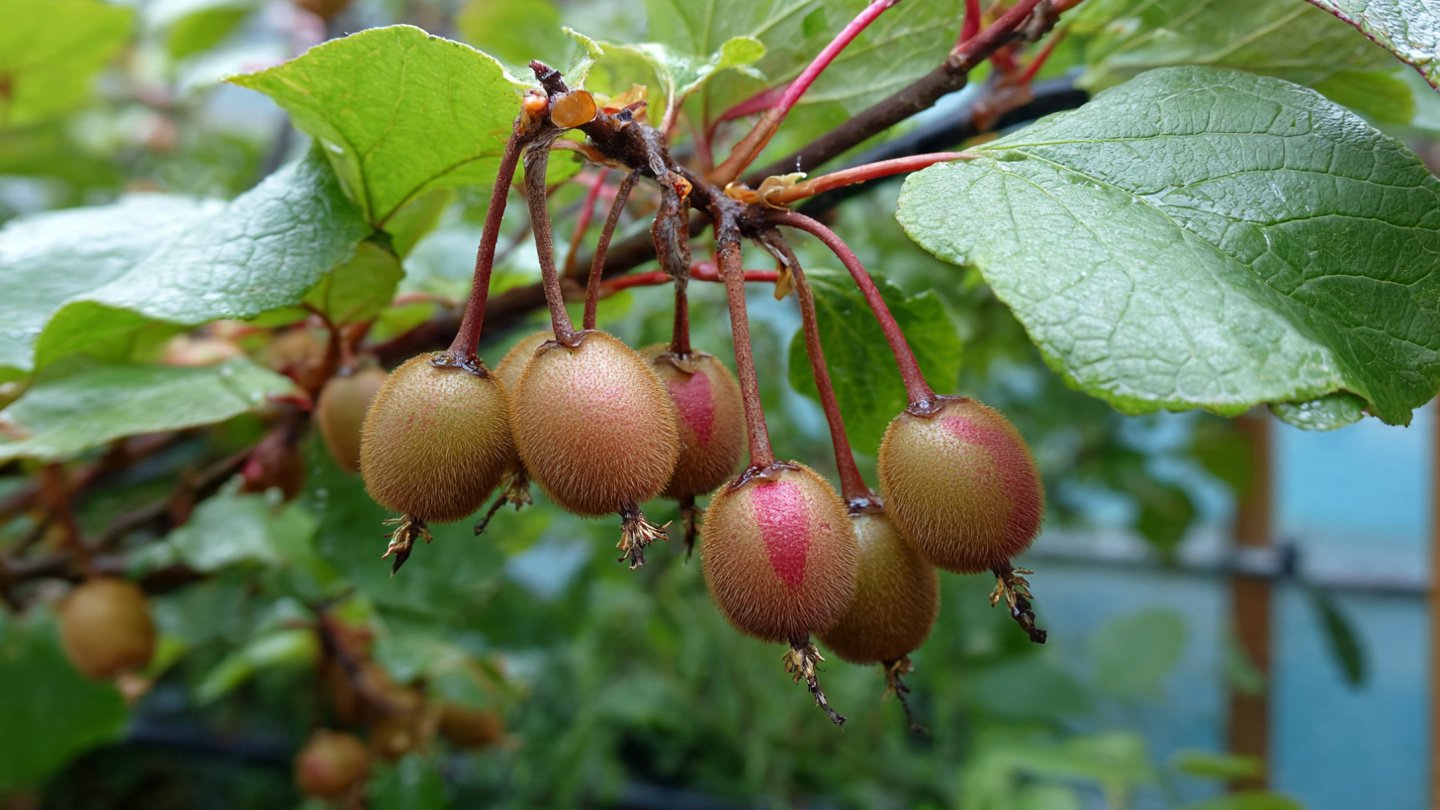
Kiwi berries, also known as baby kiwis or hardy kiwis, are small, sweet fruits that resemble traditional kiwis but can be eaten whole—skin and all. These delicious, nutrient-rich berries are not only great for snacking but can also enhance your garden’s biodiversity. Growing kiwi berries in your backyard garden can be a rewarding experience, provided you follow certain steps to ensure healthy growth and fruit production. This guide will equip you with everything you need to know about cultivating kiwi berries, from selecting the right varieties to dealing with pests and diseases.
What Are Kiwi Berries?
Kiwi berries (Actinidia arguta) are small, grape-sized fruits that belong to the same family as the larger kiwi (Actinidia deliciosa). Unlike their larger counterparts, kiwi berries have smooth, edible skin that does not require peeling. They pack a sweet, tangy flavor and offer numerous health benefits, including high levels of Vitamin C, dietary fiber, and antioxidants.
Choosing the Right Variety
Kiwi berries come in several varieties, each with unique features. Popular varieties include:
- Hardy Kiwi (Actinidia arguta): Known for its cold hardiness and small size, this variety is popular in temperate zones.
- Arctic Kiwi (Actinidia kolomikta): This variety is known for its colorful foliage and robust flavor, thriving in cooler climates.
- Baby Kiwi (Actinidia erioclada): Producing sweeter fruits, this variety is ideal for warmer areas but can adapt to various climates.
When selecting a variety, consider your local climate and the amount of space you have. Hardy kiwis are frost-tolerant and may be suitable for colder regions, while other varieties may flourish in warmer areas.
Preparing the Soil
The key to growing healthy kiwi berries lies in soil preparation. Here’s how to ensure your soil is primed for growth:

Soil Type
Kiwi berries prefer well-drained, loamy soil with a pH between 5.5 and 7.0. Heavy clay or overly sandy soils can hinder growth and fruit production.
Soil Amendments
- Organic Matter: Mix well-rotted manure or compost into the soil to improve its texture and nutrient content.
- Mulch: Adding organic mulch will help retain moisture, suppress weeds, and eventually enrich the soil as it decomposes.
Drainage
Ensure proper drainage by elevating planting beds if necessary. Kiwi berries do not fare well in waterlogged conditions.
Planting Kiwi Berries
Timing
The best time to plant kiwi berries is in the spring after the last frost. If you’re in a warmer climate, you may also consider a fall planting.
Spacing
Space the plants about 4-6 feet apart to allow ample room for their vigorous vines to grow. Female plants require male plants for pollination, so plan accordingly—one male for every 5-8 females is generally sufficient.
Digging Holes
- Dig a hole about 12 inches deep and 2 feet wide.
- Add a handful of bone meal or a slow-release fertilizer to the hole.
- Place the plant in the hole, ensuring that the roots are well spread out.
Watering
Water the plants thoroughly after planting. For the first few weeks, keep the soil consistently moist but not soggy.

Providing Support
Kiwi berries are climbing plants, requiring sturdy support to grow effectively. Here are some suggestions for support structures:
- Arbors: Creating arbors using wood or metal can provide an aesthetically pleasing addition to your garden while supporting the plants.
- Trellises: Install trellises made of wire or netting that offer vertical growth space.
- Fences: Using existing fences can also minimize installation costs while providing support.
Training the Vines
As the vines grow, gently guide them to the support structure. Pinch back new growth to encourage bushier growth and better fruit production.
Watering and Fertilizing
Water Needs
Kiwi berries thrive on consistent moisture. It’s crucial to water them deeply during dry spells, especially in the early stages of growth. During the growing season, aim for at least 1-2 inches of water per week.
Fertilize
A balanced fertilizer should be applied in early spring and possibly again in mid-summer. Organic options like compost tea or fish emulsion can also promote healthy growth.
Pruning Kiwi Berries
Pruning is vital for the overall health and productivity of your kiwi berry plants. Here’s how to do it:

Timing
Prune in late winter or early spring before new growth begins.
Techniques
- Remove dead or damaged wood, focusing on older, unproductive vines.
- Shape the plants by selectively cutting back some of the older, vigorous branches to encourage new growth.
Pothole Pruning
This technique involves cutting back one-year-old canes to encourage fruiting wood, boosting your yield.
Pest and Disease Management
While kiwi berries are generally hardy, they can be susceptible to certain pests and diseases:
Common Pests
- Spider Mites: These tiny pests thrive in dry conditions. Regularly misting the plants can deter them.
- Leafhoppers: They can damage leaves and reduce yield. Consider using insecticidal soap or neem oil for control.
- Scale Insects: Monitor plants for sticky residue. Horticultural oil can help manage these pests.
Diseases
- Powdery Mildew: This fungal disease thrives in humid conditions. Ensure good airflow and consider using fungicides if necessary.
- Root Rot: Avoid overwatering to minimize the risk of root rot.
Harvesting Kiwi Berries
Kiwi berries usually begin to produce fruit 2–3 years after planting. Here’s how to know when they’re ripe:
- Color: Mature berries will be a vibrant green or yellow-green color.
- Texture: Gently squeeze the berries. They should feel slightly soft, similar to a ripe grape.
Harvest kiwi berries in the late summer to early fall. They do not ripen further once picked, so enjoy them fresh or store them in the refrigerator for a week or two.

Frequently Asked Questions (FAQs)
1. Are kiwi berries self-pollinating?
No, kiwi berries are not self-pollinating. You need to plant male and female plants together for successful fruit production.
2. How long does it take for kiwi berries to produce fruit?
Kiwi berries can take 2-3 years to start producing fruit after planting.
3. Can kiwi berries be grown in pots?
Yes, kiwi berries can be grown in pots. Choose a large pot and ensure it has good drainage.
4. What climate is best for growing kiwi berries?
Kiwi berries thrive in temperate climates, although specific varieties like the Arctic kiwi can tolerate cooler conditions.
5. How should I store kiwi berries?
Store kiwi berries in the refrigerator for up to two weeks. They do not ripen further once picked, so harvest only when ripe.

6. What nutrients do kiwi berries need?
Kiwi berries benefit from a balanced fertilizer that provides nitrogen, phosphorus, and potassium. Organic amendments like compost are also effective.
7. Can kiwi berries be grown organically?
Yes, kiwi berries can be grown organically. Use organic compost, natural pest control methods, and environmentally friendly fertilizers.
Conclusion
Growing kiwi berries in your backyard garden can be an incredibly rewarding venture. With the right care, attention, and knowledge, you can enjoy the sweet fruits of your labor for years to come. By following this comprehensive guide, you’ll be well on your way to cultivating healthy kiwi berry plants that will thrive in your garden while providing delicious and nutritious fruit for you and your family. Happy gardening!