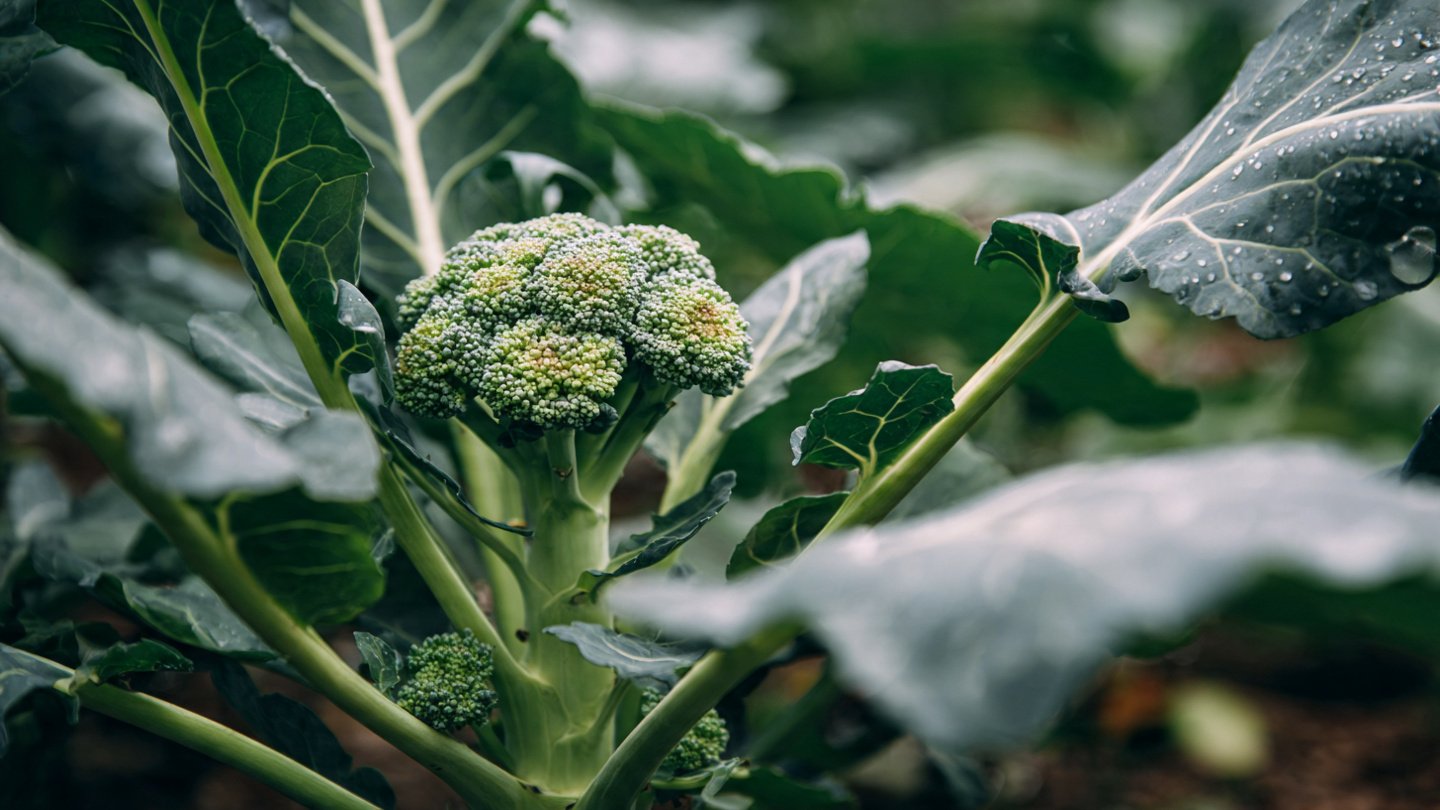
Growing broccoli in your home garden can be a rewarding experience. Not only is this nutrient-packed vegetable a staple in many kitchens, but it also offers the satisfaction of cultivating your own food. In this guide, we’ll walk you through the steps required to grow broccoli from seed to harvest.
Understanding Broccoli
Broccoli (Brassica oleracea var. italica) belongs to the cruciferous family of vegetables, which also includes cabbage, cauliflower, and kale. It is rich in vitamins C, K, and A, along with fiber and several antioxidants. Broccoli can be grown in various climates and thrives in well-drained, fertile soil.
Step 1: Planning Your Garden
Choosing the Right Variety
Several varieties of broccoli exist, each suited for different growing conditions and tastes. Common types include:
- Calabrese: This is the traditional variety with large, dark green heads.
- Sprouting Broccoli: Produces smaller heads but continuously yields throughout the growing season.
- Chinese Broccoli: More leafy and tender, often used in Asian dishes.
Select a variety based on your culinary preference and climate zone.
Garden Location

Broccoli thrives in full sun, so choose a spot in your garden that receives at least six hours of sunlight daily. If you reside in a warmer climate, consider some afternoon shade to prevent the plants from bolting (going to seed prematurely).
Soil Preparation
Broccoli prefers fertile, well-draining soil with a pH of 6.0 to 7.5. Here’s how to prepare the soil:
- Test the Soil: Test for pH and nutrient levels using a soil test kit.
- Amend the Soil: If necessary, add lime to increase pH or sulfur to decrease it. Incorporate compost or well-rotted manure to boost fertility.
- Tilling: Turn the soil to a depth of 12 inches, breaking up clumps and mixing in amendments.
Step 2: Starting Seeds Indoors
Timing
Broccoli can be started indoors 6-8 weeks before the last expected frost in your area.
Seed Germination
- Containers: Use seed trays or small pots filled with seed-starting mix.
- Sowing Seeds: Plant seeds 0.5 inches deep and water them lightly.
- Temperature: Keep the soil temperature between 65-75°F (18-24°C) for optimal germination.
- Light: Provide 12-16 hours of light daily using grow lights or a bright window.
- Thinning: Once seedlings develop two true leaves, thin them to avoid overcrowding, leaving the strongest plants.

Hardening Off
Before transplanting seedlings outdoors, harden them off by exposing them to outdoor conditions gradually over 7–10 days. Start by placing them in a sheltered location and gradually increase their exposure to sunlight and wind.
Step 3: Transplanting Seedlings
When to Transplant
Transplant broccoli seedlings outdoors about 2 weeks before your last frost date.
Spacing
Space plants about 18-24 inches apart in rows that are 24-36 inches apart. This allows room for growth and air circulation.
Watering After Transplanting
Water the seedlings well immediately after transplanting to help them adjust to the new environment.
Step 4: Caring for Your Broccoli

Watering
Broccoli plants need about 1-1.5 inches of water per week, depending on rainfall. Consistent watering helps prevent stress and bolting. Use drip irrigation or water at the base of the plants early in the morning to reduce evaporation.
Fertilizing
Fertilize with an all-purpose fertilizer high in nitrogen, such as 10-10-10, after one month of planting. Apply according to the manufacturer’s instructions and ensure you’re not over-fertilizing, as this can lead to more leaf growth instead of head production.
Mulching
Apply a layer of organic mulch around the plants to retain moisture, suppress weeds, and maintain even soil temperature.
Pest Management
Watch out for common pests like aphids, cabbage worms, and flea beetles. Consider these management strategies:
- Handpicking: Remove pests by hand.
- Insecticidal Soap: Use it for soft-bodied insects like aphids.
- Row Covers: Protect seedlings from pests while allowing light and moisture.
Disease Prevention

Broccoli can be susceptible to diseases like downy mildew and black rot. Practice crop rotation and ensure good air circulation among plants.
Step 5: Harvesting Broccoli
When to Harvest
Harvest broccoli when heads are firm and tight. This usually occurs 70-100 days after planting, depending on the variety. Look for heads that are 4-7 inches in diameter with a dark green color.
How to Harvest
- Cutting: Use a sharp knife to cut the stalk about 5-6 inches below the head.
- Side Shoots: After the main head is harvested, side shoots will develop that can also be harvested for additional yields.
Storage
Store broccoli in the refrigerator in a perforated plastic bag for up to a week. Blanch and freeze if you want to store it for a longer duration.
FAQs
1. Can I grow broccoli in containers?
Yes, you can grow broccoli in containers, as long as the pots are at least 12 inches deep and wide. Ensure they have good drainage and provide support if necessary.

2. What can I plant with broccoli?
Good companion plants include onions, garlic, and herbs like dill and basil, which can help deter pests. Avoid planting with other members of the Brassica family to prevent competition for nutrients.
3. Why did my broccoli bolt before forming heads?
Broccoli bolts due to stress conditions such as high temperatures, inconsistent watering, or poor soil conditions. Selecting heat-tolerant varieties and ensuring proper care can mitigate this.
4. How can I tell if my broccoli is ready to harvest?
Broccoli is ready to harvest when the buds are tightly packed, firm, and dark green. If the buds start to open and show yellow flowers, it has been left too long.
5. Is it possible to grow broccoli year-round?
In many regions, especially those with mild winters, you can grow broccoli year-round. In colder areas, consider using a greenhouse or cold frames to extend the growing season.
Conclusion
Growing broccoli in your home garden is not only enjoyable, but it also provides you with a fresh and nutritious vegetable that can enhance your meals. With careful planning, proper care, and the right timing, your garden will yield delicious broccoli that you can proudly serve to your family and friends. Happy gardening!