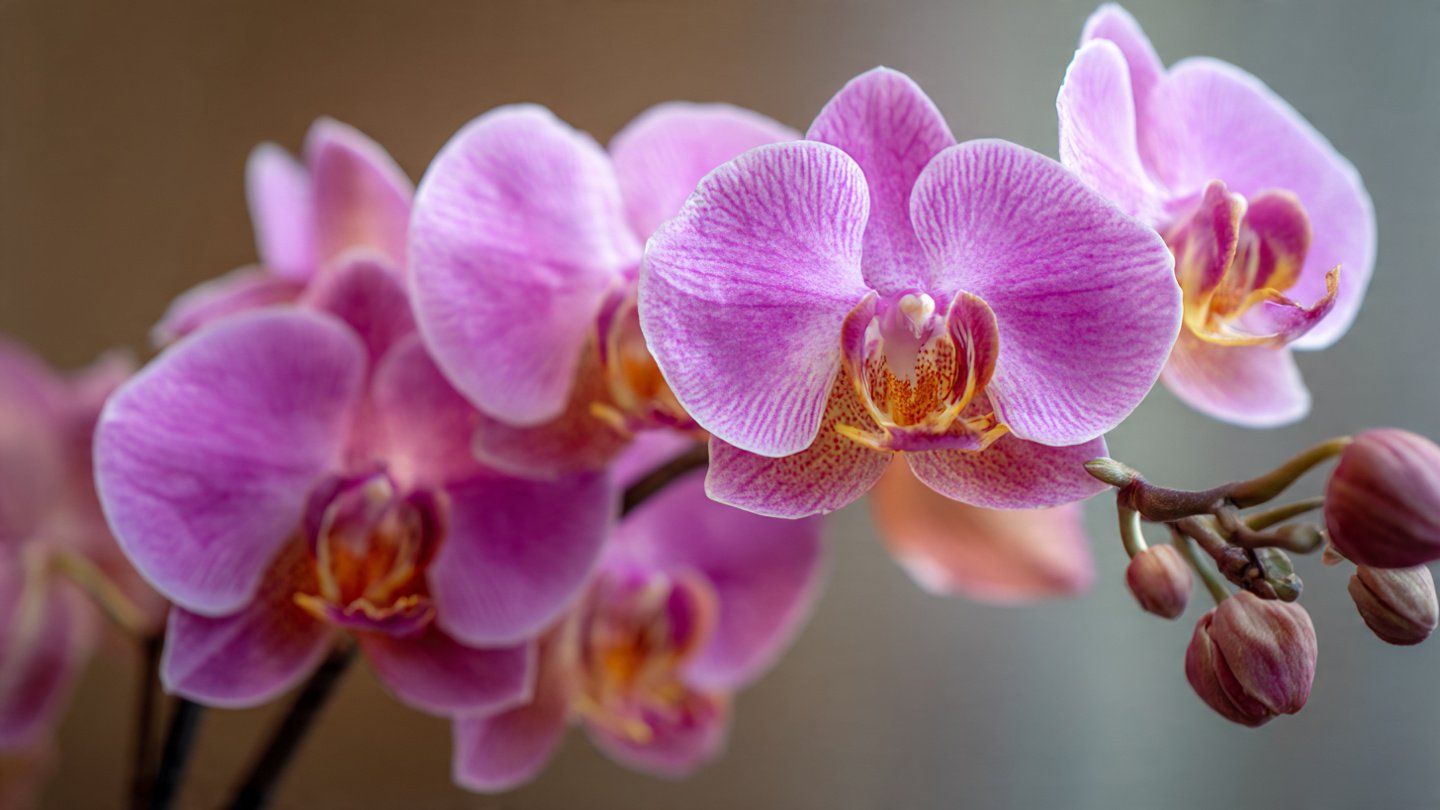
Orchids are among the most diverse and breathtakingly beautiful flowers in the plant kingdom. With their unique shapes, vibrant colors, and exotic allure, it’s no wonder that many people cultivate them as houseplants. However, orchids can sometimes be seen as challenging to care for, leading many potential orchid enthusiasts to shy away. This article will guide you step by step in growing beautiful orchids in your home environment, ensuring that you can enjoy these stunning plants for years to come.
Understanding Orchids
1. Orchids Overview
Orchids belong to the family Orchidaceae, one of the largest and most diverse families of flowering plants. There are approximately 25,000 species and over 100,000 hybrids, offering an incredible range of colors, sizes, and patterns. Some of the most popular types include Phalaenopsis, Cattleya, Dendrobium, and Vanda.
2. The Anatomy of Orchids
Understanding the anatomy of orchids can enhance your ability to care for them. Key components include:
- Roots: Typically, orchid roots are thick and spongy, used for both nutrition and water absorption.
- Leaves: Orchids can have thick, succulent leaves or thin ones, depending on the species.
- Flowers: The bloom is the most striking part of the orchid, often having a unique shape that attracts pollinators.
Choosing the Right Orchid
1. Selecting Your Orchid
When starting, choose a species that is known for being beginner-friendly. Phalaenopsis orchids (also known as moth orchids) are an excellent choice; they are forgiving and bloom for several months. Other beginner options include Cattleya and Dendrobium.

2. Color and Design
Orchids come in various colors, from whites and yellows to deep purples and pinks. Consider your home’s decor when choosing an orchid to complement your living space.
The Right Environment for Orchids
1. Light Requirements
Orchids thrive in bright, indirect sunlight. Too much direct sunlight can lead to leaf burn, while too little can hinder blooming. A south- or east-facing window is ideal. Consider using sheer curtains to diffuse harsh light.
2. Temperature and Humidity
Most orchids prefer a temperature range of 65°F to 75°F during the day and a drop to 60°F at night. Humidity levels should ideally be around 50-70%. If your home is dry, especially in winter, consider using a humidity tray or a room humidifier.
3. Air Circulation
Good air circulation is crucial in preventing mold and mildew, which orchids can be susceptible to. Make sure your orchids are not crowded and can experience gentle breezes from time to time.
Potting and Soil
1. Choosing the Right Pot

Select a pot that allows for drainage, as orchids dislike sitting in water. Clear plastic pots are preferred for many orchids, as they allow you to monitor root health.
2. Orchid Potting Mix
Orchids require a specialized potting mix to thrive. Traditional soil will not work, as it retains too much moisture. Look for a mix designed for orchids, which typically contains bark, sphagnum moss, and other materials that allow for excellent drainage and aeration.
3. Repotting
Orchids usually need to be repotted every one to three years, depending on their growth. Signs it’s time to repot include visible roots growing out of the pot or the potting mix breaking down and compacting.
Watering Your Orchids
1. Frequency
The general rule for watering orchids is to let the potting medium dry out partially between waterings. Overwatering is a common mistake, so it’s crucial to check the moisture level. Typically, watering every 1-2 weeks is adequate.
2. Method
When watering, give your orchid a thorough soak and allow it to drain completely. This encourages a healthy root system and prevents rot.

Fertilizing Your Orchids
1. Type of Fertilizer
Use a balanced, water-soluble fertilizer designed for orchids. A formula with an N-P-K ratio of 30-10-10 is commonly recommended during the growing season.
2. Fertilization Schedule
Fertilize your orchids every two weeks during the active growing season (spring and summer) and reduce to once a month in the fall and winter.
Pruning and Caring for Orchids
1. After Bloom Care
After your orchid has finished blooming, you may need to prune the flower spike. If it’s a Phalaenopsis, cut the spike close to the base to encourage new blooms. For other types, follow the specific guidance for that species.
2. Monitor for Pests
Regularly check for pests such as aphids, mealybugs, and scale insects. If you notice any, use insecticidal soap or neem oil as a treatment.
3. Leaf Care

Dust can accumulate on orchid leaves, which can hinder photosynthesis. Gently wipe the leaves with a damp cloth periodically to keep them clean.
Troubleshooting Common Issues
1. Yellow Leaves
Yellowing leaves may indicate overwatering, insufficient light, or nutrient deficiency. Evaluate your watering schedule and light conditions to address the issue.
2. Dropping Flowers
If your orchid is dropping flowers, it could be due to temperature fluctuations or inadequate water. Assess your environment and care routine.
3. Root Rot
If roots appear dark and mushy, your orchid may have root rot due to overwatering. Remove the orchid from the pot, trim away the affected roots, and repot in fresh mix.
Creating a Beautiful Orchid Display
1. Grouping and Arranging
Orchids can be beautifully arranged in groups by selecting various types or colors. Consider using decorative pots that complement the blooms for added aesthetic value.

2. Use of Accessories
Utilize plant stands, hanging baskets, or terrariums to showcase your orchids. Ensure that any display allows for the proper light and air circulation to support healthy growth.
FAQs about Growing Orchids
1. How often should I water my orchids?
Water your orchids approximately every 1-2 weeks, depending on the specific species, potting medium, and environmental conditions. Always let the potting medium dry out slightly between waterings.
2. Do orchids need a lot of light?
Orchids require bright but indirect sunlight. Too much direct sunlight can damage the leaves, while too little can inhibit blooming.
3. Can I use regular potting soil for my orchids?
No, regular potting soil holds too much moisture. Use a special orchid potting mix made of bark, moss, and other materials for optimal growth.
4. When should I fertilize my orchids?
Fertilize your orchids every two weeks during the growing season (spring and summer) and once a month during the dormant season (fall and winter).
5. How do I know if my orchid is healthy?
Healthy orchids will have firm, vibrant leaves, strong roots that are not mushy, and bloomed flowers. Regularly check for signs of pests or diseases.
6. What should I do if my orchid stops blooming?
If an orchid stops blooming, it may require repotting, more light, or adjustments to your watering schedule. Patience is key, as orchids can have a natural resting phase.
Conclusion
Growing beautiful orchids in your home is an immensely rewarding endeavor. With proper care, knowledge, and patience, you can cultivate these stunning plants in a way that brings joy and beauty to your living space. Remember to choose the right species, understand the specific needs of your orchids, and enjoy the journey of being an orchid enthusiast. With time, you will find yourself surrounded by a delightful collection of vibrant blooms that elevate your home environment.