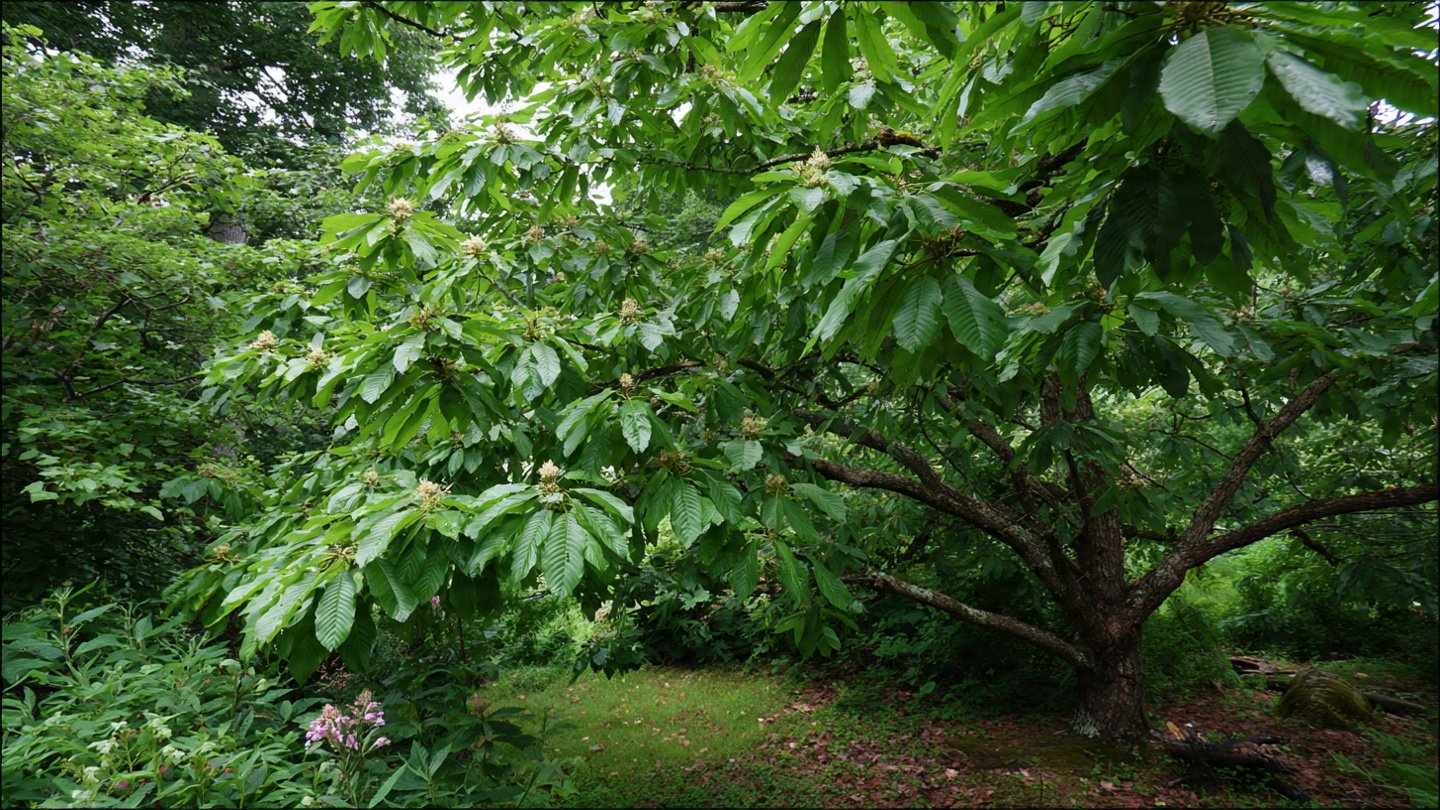
Growing American chestnut trees (Castanea dentata) in your garden is not only a rewarding endeavor but also a vital contribution to sustainable forestry. Once dominant in Eastern North America, the American chestnut was decimated in the early 20th century by the chestnut blight, a fungal disease that effectively eliminated this vital species from the landscape. Recently, however, conservation efforts and the development of blight-resistant hybrids have offered new avenues for reintroducing this majestic tree into our ecosystems. In this article, we’ll explore how to grow American chestnuts sustainably, ensuring a place for them in our gardens and forests.
Understanding the Importance of American Chestnut Trees
The American chestnut tree was once a cornerstone of Eastern U.S. forests. Known for its towering height, rapid growth, and valuable timber, the chestnut tree also produced large, nutritious nuts that were an essential food source for wildlife and humans alike. The tree has significant ecological and economic contributions:
-
Biodiversity Support: Chestnut trees provide habitats for numerous birds and mammals. Their nuts are high in protein and carbohydrates, supporting a diverse range of wildlife.
-
Soil Health: The tree’s extensive root system helps prevent soil erosion and improves soil quality.
-
Carbon Sequestration: Like other trees, American chestnuts absorb carbon dioxide, helping mitigate climate change.
-
Wood Products: The wood of the American chestnut is prized for its durability and resistance to decay, making it highly sought after for construction and furniture-making.
Steps to Grow American Chestnut Trees

Growing American chestnuts successfully requires good planning and care. Here’s how to do it:
1. Choosing the Right Seeds or Seedlings
Blight-Resistant Options: Due to the prevalence of the chestnut blight, it’s crucial to select seeds or seedlings that are blight-resistant. You can find hybrid varieties developed through research, such as those from the American Chestnut Foundation, combining blight resistance with the desirable traits of the American chestnut.
Local Adaptations: Purchase seeds or seedlings from local nurseries or suppliers familiar with your region. Look for trees adapted to your local climate, soil types, and wildlife.
2. Selecting the Perfect Location
Sunlight Requirements: American chestnuts thrive in full sunlight, requiring at least 6-8 hours of sun per day. Choose an area in your garden that receives ample sunlight.
Soil Conditions: The ideal soil for chestnuts is well-drained, slightly acidic to neutral (pH 5.5 to 7.0). Avoid poorly drained or overly compacted soils. Conduct a soil test to determine its pH and nutrient content, and amend as needed.
Space Considerations: American chestnuts can grow quite tall and wide; plant them at least 30-40 feet apart from one another and other trees to allow for their expansive canopies.
3. Preparing the Planting Site
Clearing the Area: Clear the area of weeds, grass, and debris. American chestnuts can be susceptible to competition from other plants, particularly during their early growth stages.

Soil Amendments: If necessary, amend the soil with organic matter or fertilizers based on your soil test results. Incorporating compost can improve soil structure and provide essential nutrients.
Planting Technique: Dig a hole that is twice as wide and as deep as the root system of the seedling. Place the seedling in the center of the hole, ensuring that the root collar is even with the soil line. Fill the hole with soil, pressing down gently to eliminate air pockets.
4. Watering and Mulching
Initial Watering: After planting, ensure adequate watering. American chestnuts need consistent moisture, especially during the first year. Water deeply once a week if the soil is dry.
Mulching: Apply a 2-3 inch layer of mulch around the base of the tree, being cautious not to pile it against the trunk. Mulch helps retain soil moisture, suppress weeds, and regulate soil temperature.
5. Fertilization
After the first year, consider a yearly application of balanced, slow-release fertilizer to support growth. Be careful not to over-fertilize, as this can lead to excessive leafy growth at the expense of root development.
6. Pruning for Health
Regular pruning helps maintain a healthy tree. Begin pruning in early spring:

- Remove Dead or Damaged Branches: This prevents disease and promotes vigorous growth.
- Shape the Tree: Aim for a central leader and remove any competing branches.
7. Pest and Disease Management
Monitoring: Regularly inspect your trees for signs of pests or diseases. Common pests include borers and leaf miners, while diseases can include fungal infections.
Preventive Measures: Keep the area around your tree clean and free from diseased plant material. Proper watering and care can help trees resist diseases.
Intervention: If pests or diseases are detected, consult local extension services for guidance on appropriate control methods, including organic and chemical options.
8. Harvesting Nuts
If your trees are producing nuts, harvest them in the fall when the burrs start to split open. Gather the nuts promptly to prevent wildlife from consuming them. Chestnuts are highly nutritious and can be roasted, boiled, or incorporated into various recipes.
Sustainability Practices
Growing American chestnuts can meet sustainable forestry principles. Here are some practices to consider:

-
Native Planting: Incorporate native plants in your garden to support local wildlife and promote biodiversity.
-
Soil Conservation: Use organic practices, like composting and minimizing synthetic fertilizers, to maintain soil health and structure.
-
Water Management: Implement rainwater harvesting systems or use drip irrigation to conserve water resources.
-
Public Engagement: Share your journey with neighbors or community members to promote awareness about the ecological importance of the American chestnut.
FAQs
Q1: Can I plant American chestnuts in raised beds?
Yes, you can plant American chestnuts in raised beds, provided the soil is well-drained and adequately amended.
Q2: How long does it take for American chestnut trees to bear nuts?
American chestnuts typically start to produce nuts in 4 to 7 years after planting, depending on their growing conditions.

Q3: Are American chestnuts drought-resistant?
American chestnuts are not particularly drought-resistant. They require consistent moisture, especially in their early years. Ensure regular watering, particularly during dry spells.
Q4: What wildlife is attracted to American chestnut trees?
A wide variety of wildlife, including deer, squirrels, and birds, are attracted to American chestnut trees for their nuts.
Q5: What should I do if my tree contracts chestnut blight?
If you suspect your tree has chestnut blight, consult with local extension services for guidance on proper identification and management strategies, including potential removal of affected trees.
Q6: Can I grow American chestnut trees in pots?
While American chestnuts are best suited to open ground, younger trees can be grown in large pots for a limited time, but they will need transplanting into the ground as they mature.
Conclusion
Growing American chestnut trees in your garden is a meaningful way to contribute to biodiversity and sustainable forestry. With proper care, the right conditions, and a commitment to responsible practices, you can help restore this iconic tree to its rightful place in North American ecosystems. Whether for their environmental benefits, economic potential, or sheer beauty, American chestnuts are a wonderful addition to any garden. Invite your community to engage in reforestation efforts, and enjoy the fruits of your labor for generations to come.