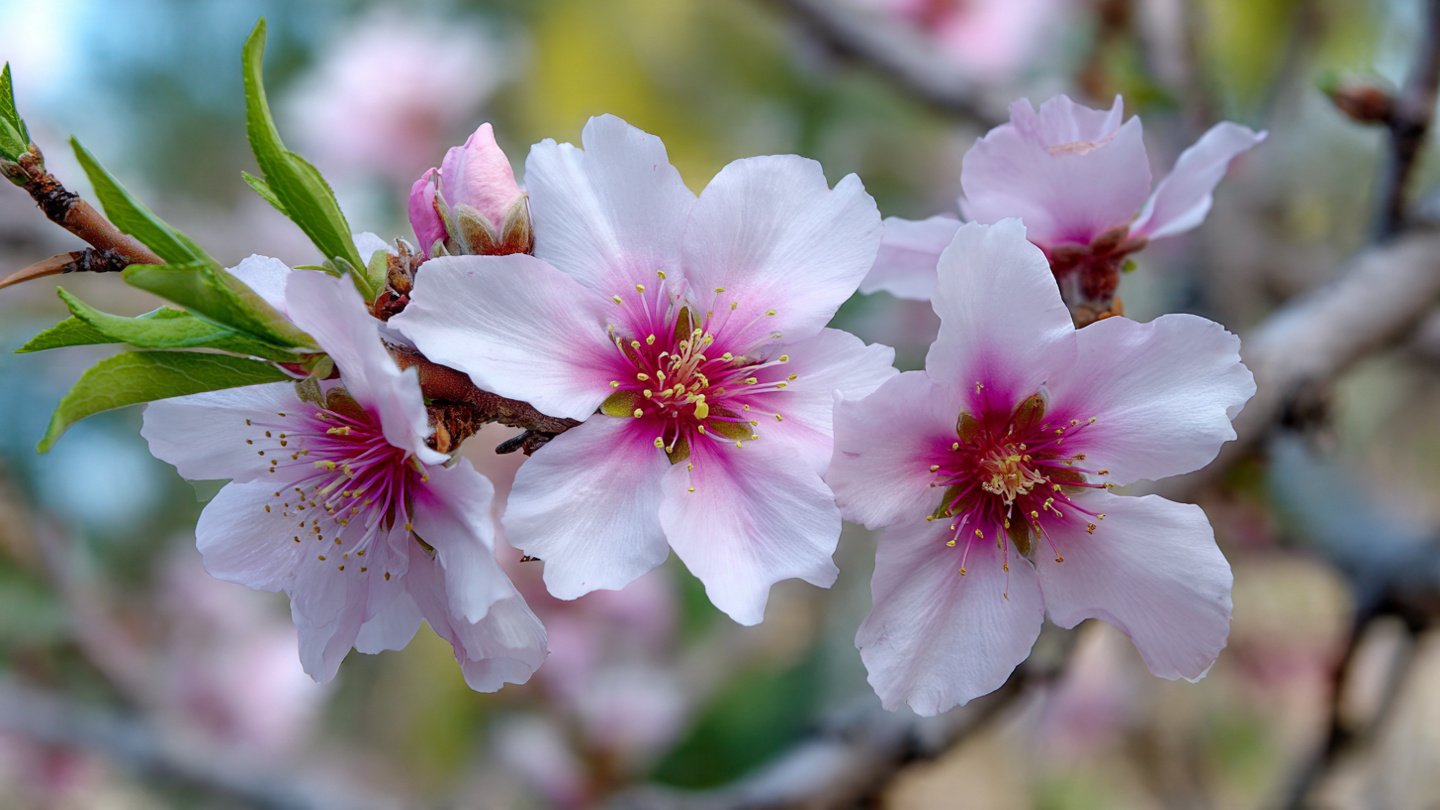
Growing almond trees can be a rewarding experience, allowing you to enjoy not only the beauty of the trees themselves but also the delicious nuts they produce. If you’re interested in adding almond trees to your backyard, this guide will walk you through everything you need to know, from selecting the right variety to maintaining your trees for optimal growth.
Understanding Almond Trees
1. The Basics of Almonds
Almond trees (Prunus dulcis) belong to the stone fruit family, which includes peaches and cherries. They are not true nuts, but rather seeds encased in a hard shell. Almonds come in two main varieties: sweet and bitter. Sweet almonds are the ones commonly consumed and used in culinary applications, while bitter almonds contain cyanide precursors and are not safe to eat without processing.
2. Climate and Location
Almond trees thrive in Mediterranean climates, which feature warm, dry summers and mild, wet winters. The trees require:
- Temperature: Almond trees need a chilling period of around 300-1,000 hours at temperatures below 45°F (7°C) to produce flowers. In warmer areas, choose low-chill varieties.
- Sunshine: Full sun is essential; aim for at least 6-8 hours of sunlight daily.
- Soil: Well-drained sandy or loamy soil with a pH of 6-7 is ideal. Poor drainage can lead to root rot.
Selecting the Right Almond Tree Varieties
Before planting, selecting the suitable variety for your climate and purpose is crucial. Here are some popular varieties:

- Carmel: One of the most widely grown sweet almond varieties, known for its high yield and disease resistance.
- Nonpareil: Valued for its soft shell and high-quality nuts, it’s often used in commercial production.
- Tuono: A traditional Italian variety known for its flavorful nuts, ideal for home growers.
Planting Almond Trees
1. Choosing the Right Location
Pick a location that offers full sun, plenty of air circulation, and protection from harsh winds. Avoid low spots in your yard where frost might settle.
2. Timing Your Planting
The best time to plant almond trees is in late winter or early spring when the risk of frost is minimal. You can also plant in the fall in areas with mild winters.
3. Preparing the Soil
- Soil Testing: Conduct a soil test to determine pH and nutrient levels. Amend the soil based on the test results.
- Excavating the Hole: Dig a hole twice the width and depth of the root ball, ensuring loose, well-aerated soil for the roots.
4. Planting Technique

- Positioning: Place the tree in the center of the hole, ensuring the graft line (if applicable) is above the soil level.
- Backfilling: Fill the hole with soil, gently patting it down around the roots to remove air pockets. Water thoroughly.
Care and Maintenance
1. Watering
- Initial Watering: Water your almond tree deeply after planting.
- Ongoing Care: Establish a deep watering schedule. Water every 1-2 weeks during the growing season, allowing the top inch of soil to dry out between waterings.
2. Fertilization
- Timing: Apply a balanced, slow-release fertilizer in early spring before new growth begins.
- Organic Alternatives: Compost or well-rotted manure can provide necessary nutrients.
3. Pruning
Pruning is essential for maintaining tree health and encouraging fruit production.

- When to Prune: Prune in late winter while the tree is dormant.
- Techniques: Remove dead or diseased branches, and thin crowded areas to improve air circulation. Aim for an open center for light penetration.
4. Pest and Disease Control
Monitor your almond trees for signs of pests or diseases. Common issues include:
- Pests: Aphids, spider mites, and peach tree borers can harm your almond trees. Use neem oil or insecticidal soap.
- Diseases: Watch for fungal diseases like powdery mildew and brown rot. Ensure proper air circulation and avoid overhead watering to minimize risks.
Harvesting Almonds
Almonds typically mature in late summer to early fall, about 5-6 months after flowering.
1. Identifying Ripeness
- The hulls of almonds will begin to split, revealing the hard shell. This indicates the nuts are ready for harvest.
2. Harvesting Techniques

- Manual Harvesting: Shake the branches to drop the nuts onto a tarp or cloth underneath and gather them by hand.
- Mechanical Harvesting: For larger orchards, machinery can efficiently harvest almonds.
3. Post-Harvest Processing
- Drying: Spread the nuts in a single layer and allow them to dry in a cool, shaded area for several days.
- Storage: Store dried almonds in an airtight container in a cool, dark place.
FAQs
1. How many almond trees can I plant in my backyard?
The number of trees depends on your space. Almond trees require room to spread; planting them 15-20 feet apart is a good guideline.
2. Can I grow almond trees in pots?
Yes, dwarf varieties can thrive in large pots, but ensure they have good drainage and plenty of sunlight.
3. Do almond trees require cross-pollination?
Some almond varieties are self-pollinating, but most benefit from cross-pollination. Planting at least two different varieties will enhance nut yield.
4. How long does it take for almond trees to bear fruit?

Typically, almond trees begin to produce nuts within 3-4 years of planting, with maximum yield occurring around 5-7 years.
5. Are almond trees drought-resistant?
While they are somewhat drought-tolerant, almond trees still need regular watering for optimal growth and nut production.
6. What should I do if my almond tree is not flowering?
Ensure the tree receives enough chill hours in winter. Fertilization, watering, and proper pruning can also influence flowering.
7. Can I grow almonds in colder areas?
Almond trees are sensitive to frost. If you live in a colder area, consider planting low-chill varieties or protecting your trees with covers during cold spells.
Conclusion
Growing almond trees can be a fulfilling hobby, providing a beautiful addition to your yard and delicious, home-grown nuts. With the right variety, care, and maintenance, even beginners can successfully cultivate these trees. Remember to monitor your trees regularly for pests and diseases, and don’t hesitate to ask for help if you encounter challenges. Happy gardening!