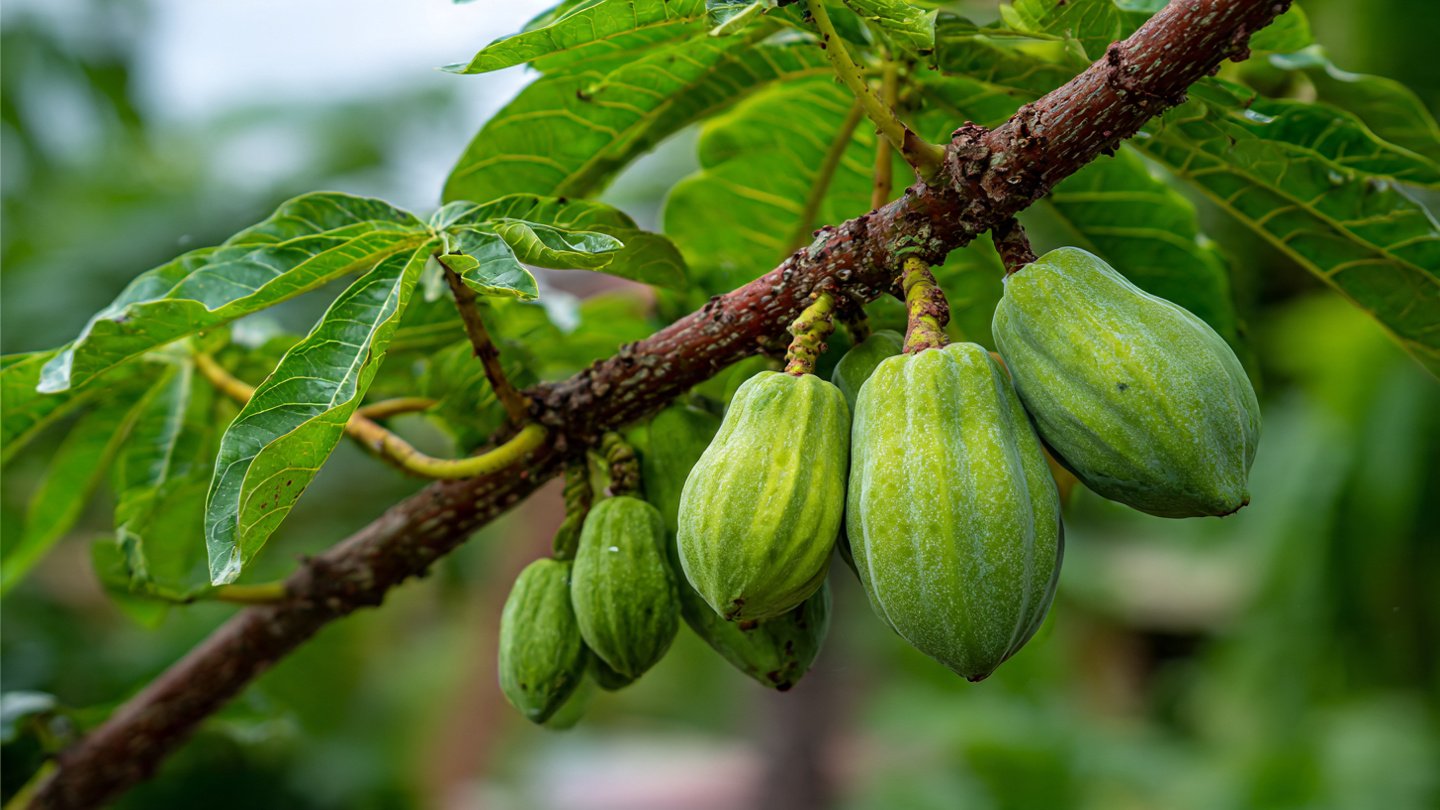
The pawpaw (Asimina triloba) is often overlooked in fruit cultivation, but it deserves a spotlight for its delightful flavor and rich nutritional profile. With its custard-like texture and tropical flavor reminiscent of banana, mango, and melon, growing a pawpaw tree at home can bring not only delicious fruit but also a sense of accomplishment. This article will guide you through the essential steps to successfully cultivate a pawpaw tree in your backyard.
Understanding the Pawpaw Tree
What is a Pawpaw Tree?
The pawpaw tree is a deciduous tree native to the eastern United States. It can grow up to 25 feet tall and features large, paddle-shaped leaves that can reach up to 12 inches long. The tree is unique in its flowering and fruiting patterns, producing clusters of bell-shaped flowers that are typically dark purple. The fruit, which can reach up to six inches in length, has a greenish-yellow skin and a creamy flesh inside.
Benefits of Growing Pawpaw
- Nutritional Value: Pawpaw fruit is high in vitamins A and C, dietary fiber, and various antioxidants.
- Eco-Friendly: The pawpaw tree supports local ecosystems by attracting native pollinators like the pawpaw fly.
- Low Maintenance: Once established, pawpaw trees require less care compared to other fruit trees.
- Versatility: The pawpaw fruit can be used in smoothies, desserts, and savory dishes.
Selecting the Right Variety
When growing a pawpaw tree, it’s important to choose the right variety for your area. Some popular varieties include:

- Sunflower: Known for its large fruit and high yield.
- Mitchell: Offers a sweet flavor and is resistant to disease.
- Wabash: Known for its sweetness and good size.
Pollination Considerations
Pawpaw trees are typically not self-pollinating, meaning you will need at least two different varieties to ensure successful pollination and fruit set. Consider planting in pairs or in groups to facilitate cross-pollination.
Site Selection and Preparation
Ideal Growing Conditions
Pawpaw trees thrive in USDA hardiness zones 5 to 8. They prefer a well-draining, loamy soil rich in organic material. Sunlight exposure is also crucial; while younger trees can tolerate partial shade, they will produce better fruits in full sun once mature.
Preparing the Soil
- Soil Testing: Conduct a soil test to assess pH levels and nutrient content.
- Soil Amendment: If necessary, add organic matter such as compost or well-rotted manure to improve soil structure and fertility.
- Drainage: Ensure that the planting area has adequate drainage to prevent root rot.

Planting Your Pawpaw Tree
Timing
The best time to plant a pawpaw tree is in early spring or fall when the temperatures are mild. Avoid planting in late summer or during severe frost.
Planting Steps
- Dig the Hole: Create a hole that is 2-3 times wider than the root ball but no deeper than the root system.
- Position the Tree: Place the tree in the center of the hole, ensuring that the graft union (if applicable) is above the soil line.
- Backfill the Hole: Fill the hole with native soil, gently tamping it down to remove air pockets.
- Watering: Water the newly planted tree thoroughly to help settle the soil.
Caring for Your Pawpaw Tree
Watering
Pawpaw trees prefer consistent moisture, especially during their first few years of growth. Water trees deeply but infrequently, ensuring the soil remains damp without becoming soggy. Mulching around the base can help retain moisture and suppress weeds.
Fertilization
Apply a slow-release organic fertilizer in early spring, following the manufacturer’s instructions. Alternatively, you can use compost to provide necessary nutrients throughout the growing season.

Pruning
Regular pruning helps to maintain tree structure and improve air circulation. Focus on removing any damaged or crossing branches. The best time to prune is late winter or early spring before the buds begin to break.
Pest and Disease Management
Pawpaw trees are relatively pest-resistant, but watch for common problems such as:
- Spider Mites: Treat with insecticidal soap if infestations occur.
- Pawpaw Fruit Spots: Fungal infections can be managed with appropriate fungicides and by improving air circulation around the tree.
Harvesting Pawpaw Fruits
When to Harvest
Pawpaw fruits typically mature in late summer to early fall (August to October). The best indicator for harvesting is when the fruit turns slightly yellow and yields to gentle pressure.
Harvesting Technique
Use clippers or scissors to cut the fruit from the tree rather than pulling it off to avoid damaging branches.

Delicious Ways to Enjoy Pawpaw
Once harvested, pawpaw can be enjoyed in various ways:
- Fresh Eating: Simply slice the fruit open and enjoy the creamy flesh.
- Smoothies: Blend with other fruits for a tropical smoothie.
- Desserts: Incorporate into pies, ice creams, and puddings.
- Savory Dishes: Use the fruit in sauces or salads.
FAQs About Growing Pawpaw Trees
1. How long does it take for a pawpaw tree to bear fruit?
Pawpaw trees typically begin to bear fruit between 3 to 5 years after planting, depending on the variety and growing conditions.
2. Can I grow a pawpaw tree in a pot?
Yes, young pawpaw trees can be grown in pots, especially if you have limited space. Ensure you choose a large container and provide ample drainage. However, keep in mind that fruiting may be less abundant compared to planted trees.

3. How do I protect my pawpaw tree from cold weather?
While pawpaw trees are relatively hardy, young trees can benefit from winter protection. Mulching around the base and using a tree wrap can shield the trunk from extreme cold.
4. Do pawpaw trees require a lot of sunlight?
While young trees can tolerate partial shade, mature pawpaw trees thrive best in full sun for optimal fruit production.
5. Are pawpaw fruits safe to eat?
Yes, pawpaw fruit is safe to eat when fully ripe. However, the seeds are toxic and should not be consumed.
6. How do I know if my pawpaw tree is healthy?
A healthy pawpaw tree will have vibrant green leaves, consistent growth, and produce flowers in spring. Look out for signs of pests or disease, such as discolored leaves or stunted growth.
Conclusion
Growing a pawpaw tree at home can be a rewarding journey filled with delicious fruit, ecological benefits, and a touch of your own green space transformation. With the right care and conditions, you can cultivate this unique tree that not only enhances your garden but also surprises your taste buds. Begin your pawpaw adventure today, and enjoy the fruits of your labor!