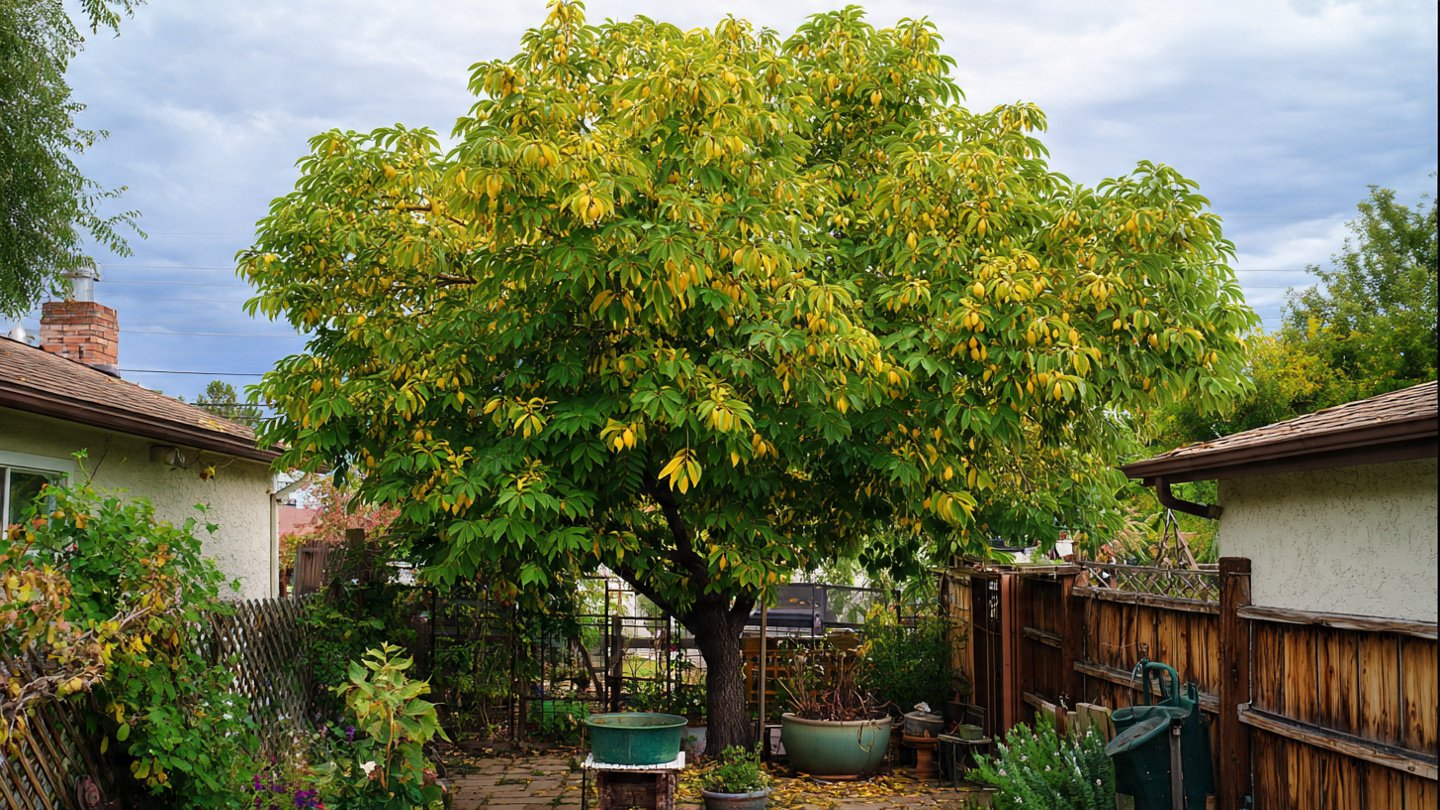
Growing a walnut tree in your backyard can be an incredibly rewarding endeavor. Not only do these trees provide delicious nuts, but they also make a magnificent addition to your landscape. If you’re considering planting a walnut tree, there’s a lot to learn about the process, from choosing the right variety to proper care and maintenance. This comprehensive guide will help you successfully grow a healthy walnut tree in your backyard.
Understanding Walnut Trees
Types of Walnut Trees
There are several species of walnut trees, but the most common ones for backyard cultivation are:
- English Walnut (Juglans regia): Known for its mild flavor and thin shell, this is the most popular nut-producing tree in home gardens.
- Black Walnut (Juglans nigra): This tree produces a rich-flavored nut and is prized for its dark, dense wood. However, it has a tougher shell and is not as commonly grown for nuts.
- Butternut (Juglans cinerea): Also known as white walnut, this tree produces sweet, creamy nuts but is less hardy and more susceptible to disease.
Climate & Hardiness Zones
Walnut trees thrive in USDA hardiness zones 5-9. They prefer a temperate climate with well-defined seasons. Before planting, check your local hardiness zone to ensure it matches the requirements of the walnut variety you choose.
Choosing & Planting Your Walnut Tree
Selecting the Right Location

Walnut trees require a lot of space, so select an area that allows for ample growth. Consider the following:
- Sunlight: Choose a spot that gets full sun (at least 6-8 hours per day).
- Soil: Walnut trees prefer well-drained, loamy soil with a pH of 6.0 to 7.5.
- Space: Ensure there’s adequate room for the tree to spread. Most walnut trees can reach heights of 30-40 feet and have a similar spread, so plan accordingly.
Buying a Walnut Tree
You can buy young walnut trees at a local nursery or order them online. Look for healthy, disease-free saplings that are at least 2-3 years old. If planting multiple trees, ensure they are of different varieties for better pollination and nut production.
Planting
-
Digging the Hole: Dig a hole that is twice as wide as the tree’s root ball and about the same depth. This gives roots space to spread in well-aerated soil.
-
Preparing the Soil: Mix native soil with compost or well-rotted manure to improve soil quality.
-
Placement: Place the tree in the center of the hole. The root crown (where the roots meet the trunk) should be at soil level to prevent rot.

-
Backfilling: Fill the hole with the soil mix, ensuring there are no air pockets. Water the tree thoroughly to help settle the soil.
-
Mulching: Apply a 3-4 inch layer of organic mulch around the base to conserve moisture and suppress weeds. Keep it away from the trunk to avoid rot.
Caring for Your Walnut Tree
Watering
Early Years
In the first two years after planting, ensure consistent soil moisture, especially during dry spells. Use deep watering techniques to promote deep root growth.
Established Trees
Once established, walnut trees are relatively drought-resistant. Water them deeply about once a month during dry conditions.
Fertilizing
Walnut trees require nutrients for optimal growth. Fertilize with a balanced fertilizer in early spring before new growth begins. An N-P-K ratio like 10-10-10 is ideal. Avoid over-fertilizing, as this can lead to lush foliage at the expense of nut production.

Pruning
Regularly prune your walnut tree to promote structural integrity and health:
- Basic Pruning: Remove dead or damaged branches annually.
- Shaping: In the early years, shape the tree to encourage a strong central leader (the primary upward growth) and well-spaced lateral branches.
- Timing: Best done in late winter or early spring when the tree is dormant.
Pest and Disease Management
Walnut trees can be susceptible to diseases like walnut blight and pests like the walnut husk fly.
- Prevention: Regular inspections and maintaining a clean environment around the tree can minimize issues.
- Control Methods: Use organic pesticides or insecticidal soaps for minor infestations, but always opt for the least harmful method first.
Harvesting
Walnut harvesting typically occurs in late summer to early fall, depending on the variety. Look for nuts that start to fall from the tree.

- Gathering: Collect fallen nuts regularly to prevent rot.
- Husk Removal: Remove the green husk to avoid staining. Wear gloves to protect your hands from the tannins found in the husk.
- Drying: Allow the nuts to dry in a well-ventilated area for a few weeks before storing them in a cool, dry place.
FAQs
1. How long does it take for a walnut tree to produce nuts?
Walnut trees typically take about 5-7 years to produce a decent crop after planting, depending on the variety and growing conditions.
2. Can walnut trees grow in pots?
While it’s possible to grow young walnut trees in large pots, they will eventually need to be transplanted to the ground due to their size and root structure.
3. How much space do I need between multiple walnut trees?
For optimal growth, plant walnut trees at least 30-40 feet apart to allow for adequate air circulation and sunlight.
4. Are walnut trees messy?
Yes, walnut trees can be messy due to falling nuts, leaves, and twigs. Regular cleanup is essential, especially during the harvesting season.

5. Can I eat walnuts straight from the tree?
It’s recommended to let walnuts dry and cure after harvesting before consuming them. This enhances their flavor and reduces moisture content, which prevents mold.
6. How do I know if my walnut tree is healthy?
Healthy walnut trees will have vibrant leaves, sturdy branches, and consistent growth. Signs of distress include yellowing leaves, stunted growth, or peeling bark.
7. Do walnut trees need a pollinator?
While many walnut trees are self-pollinating, planting multiple varieties can enhance nut yield and size.
Conclusion
By understanding the requirements and characteristics of walnut trees, you can increase your chances of a successful harvest. With proper care, your walnut tree can thrive and produce delicious nuts for years to come. Whether you’re a novice gardener or an experienced horticulturist, growing a walnut tree in your backyard is a fantastic project that contributes beauty and bounty to your landscape. Happy gardening!