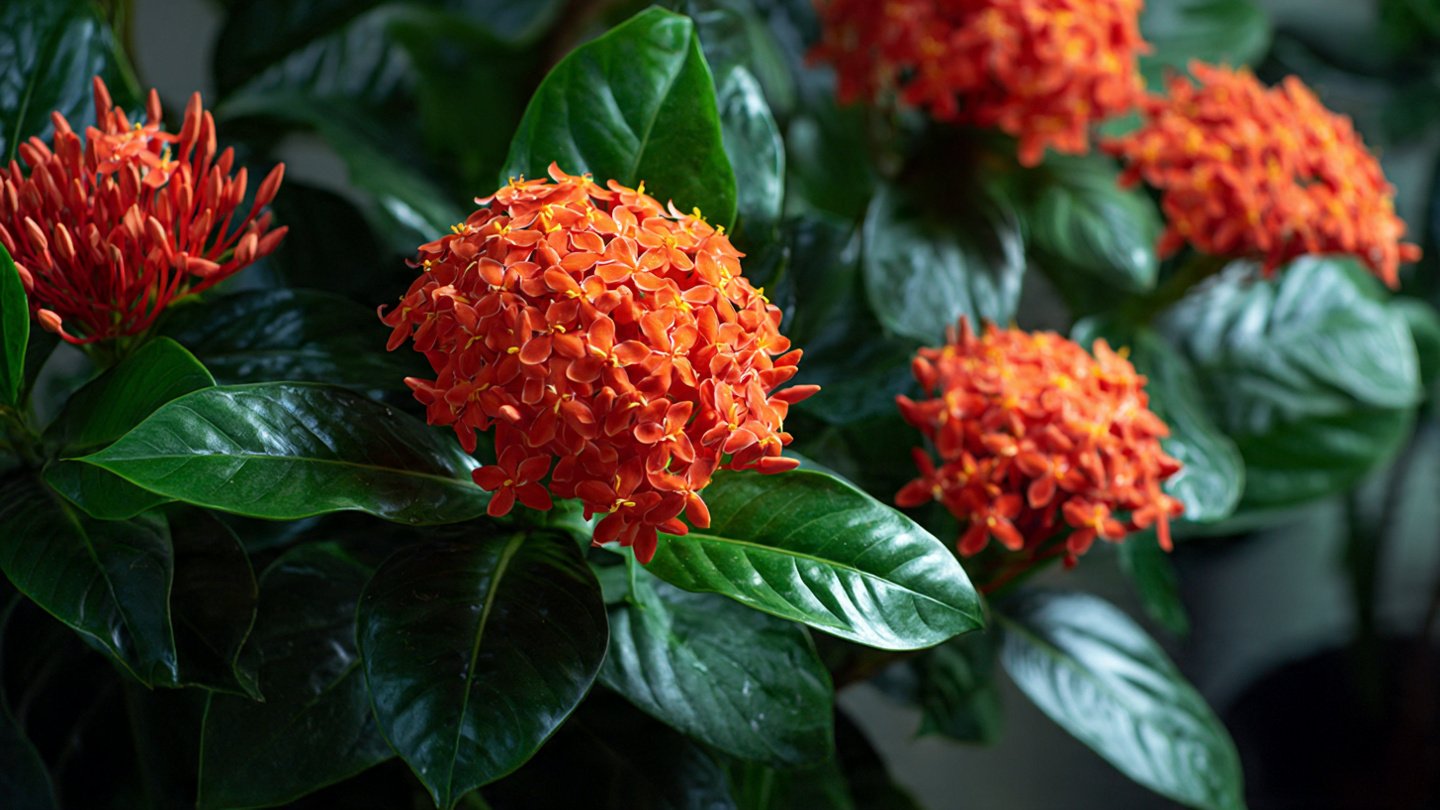
Ixora plants, known for their vibrant clusters of small flowers, are a stunning addition to indoor gardening. Originating from tropical regions, these evergreen shrubs are praised for their long-lasting blooms and glossy green leaves. Successfully cultivating Ixora indoors can bring a touch of the tropics to your home environment. This comprehensive guide will cover everything from selecting the right variety to caring for your Ixora and troubleshooting common issues.
Understanding Ixora
What is Ixora?
Ixora is a genus of flowering plants in the Rubiaceae family, which includes about 400 species. The most commonly cultivated species are Ixora coccinea, Ixora chinensis, and Ixora jambos. These plants produce dense clusters of flowers that display bright hues, including red, yellow, and orange. They are typically grown in warm climates but can be successfully cultivated indoors in appropriate conditions.
Benefits of Growing Ixora Indoors
- Aesthetic Appeal: The clusters of vibrant flowers provide a beautiful focal point in any room.
- Air Purification: Like many houseplants, Ixora can enhance air quality by filtering toxins.
- Low Maintenance: After establishing the right conditions, Ixora requires relatively minimal care.
Selecting Your Ixora
Choosing the right variety of Ixora is essential for successful indoor cultivation.
Popular Varieties for Indoor Growth
- Ixora coccinea: Known as jungle flame, it features bright red flowers and is compact in size.
- Ixora chinensis: This variety has many cultivars in various colors, making it a versatile choice.
- Ixora ‘Dwarf Pink’: A smaller version ideal for small spaces, producing lovely pink blooms.

Where to Source Ixora Plants
You can purchase Ixora plants from local nurseries, garden centers, or online plant retailers. Look for healthy plants with vibrant foliage and no signs of disease or pests.
Creating the Ideal Environment
Lighting Requirements
Ixora plants thrive in bright, indirect sunlight. Here are some tips for providing adequate lighting:
- Placement: Position your Ixora near a south- or west-facing window to ensure it receives ample light.
- Supplemental Lighting: If natural light is insufficient, consider using grow lights for 12-14 hours a day.
Temperature and Humidity
Being tropical plants, Ixora prefers warmer temperatures and higher humidity levels.
- Temperature: Maintain indoor temperatures between 65°F to 80°F (18°C to 27°C). Protect your plant from cold drafts and sudden temperature changes.
- Humidity: Aim for humidity levels between 50% and 70%. You can increase humidity by using a humidity tray, misting the plant, or placing a humidifier nearby.
Soil Requirements
Ixora thrives in well-draining soil.
- Soil Type: A commercial potting mix designed for houseplants usually works well. Add perlite or sand to improve drainage.
- pH Level: Aim for a slightly acidic to neutral pH, between 6.0 to 7.0.

Pot Selection
Choose a pot with drainage holes to prevent waterlogging. Clay pots are ideal due to their breathability, which helps with root health.
Watering and Fertilizing
Watering Routine
Ixora prefers evenly moist soil without being soggy.
- Watering Frequency: During the growing season (spring and summer), water your Ixora once the top inch of soil feels dry. In the dormant season (fall and winter), reduce watering frequency.
- Water Quality: Use room-temperature water, preferably rainwater or distilled water, to avoid chlorine and other chemicals found in tap water.
Fertilizing Schedule
Feed your Ixora with a balanced, water-soluble fertilizer every 4 to 6 weeks during the growing season.
- Fertilizer Type: Choose a fertilizer suitable for flowering plants, often labeled with a higher phosphorus content for better bloom production.
Pruning and Maintenance
Pruning
Regular pruning encourages bushier growth and more flowers.

- When to Prune: Best done in late winter or early spring before new growth begins.
- How to Prune: Remove dead, yellowing leaves and spent blooms. Cut back stems to shape the plant and promote denser foliage.
Pest and Disease Management
Keep an eye out for pests such as aphids, spider mites, and mealybugs.
- Treatment: Use insecticidal soap or neem oil for infestations. Regularly inspecting and cleaning leaves can help prevent pest problems.
- Diseases: Root rot is a common issue due to overwatering. Always ensure proper drainage to prevent this.
Encouraging Blooms
To encourage vibrant blooms, consider the following:
- Stress Factors: Sometimes, slightly stressing your plant by reducing water or nutrients can promote blooming.
- Temperature Variation: A slight drop in nighttime temperatures can encourage flowering.
- Optimal Light: Ensure your Ixora receives adequate light, as insufficient sunlight is a common reason for a lack of blooms.
Troubleshooting Common Issues
Lack of Flowers
If your Ixora is not blooming, review its care routine:

- Light: Is it receiving enough light?
- Water: Are you overwatering or underwatering?
- Fertilizer: Is it getting the right nutrients?
Yellowing Leaves
Yellowing leaves can indicate overwatering, poor drainage, or nutrient deficiencies.
- Solution: Check the soil moisture and amend if necessary. You may need to fertilize or improve drainage.
Dropping Leaves
Leaf drop might occur due to sudden temperature changes or drafts.
- Solution: Maintain consistent conditions and keep the plant away from drafty areas.
Conclusion
Cultivating Ixora plants indoors can lead to a thriving display of vibrant blooms and lush foliage. By providing the right conditions for light, temperature, humidity, and soil, along with proper watering and fertilization, your Ixora can flourish as a stunning indoor plant. With regular care and attention, you’ll enjoy vibrant clusters of flowers that bring a touch of the tropics into your home.
FAQs
1. Can Ixora be grown in low light conditions?

No, Ixora prefers bright, indirect sunlight. Low light conditions may hinder blooming.
2. How often should I water my Ixora?
Water your Ixora when the top inch of soil feels dry, typically once a week during the growing season.
3. What should I do if my Ixora is infested with pests?
Treat infestations with insecticidal soap or neem oil and regularly inspect your plant to prevent future issues.
4. How can I propagate Ixora?
Ixora can be propagated through stem cuttings taken in spring or early summer. Root the cuttings in a well-draining potting mix.
5. Is Ixora safe for pets?
Ixora is generally considered non-toxic to pets. However, it’s always best to supervise your pets around any houseplants.
By following this guide, you can enjoy the beauty and vibrancy of Ixora plants indoors, enriching your living space with their stunning blooms and lush foliage.