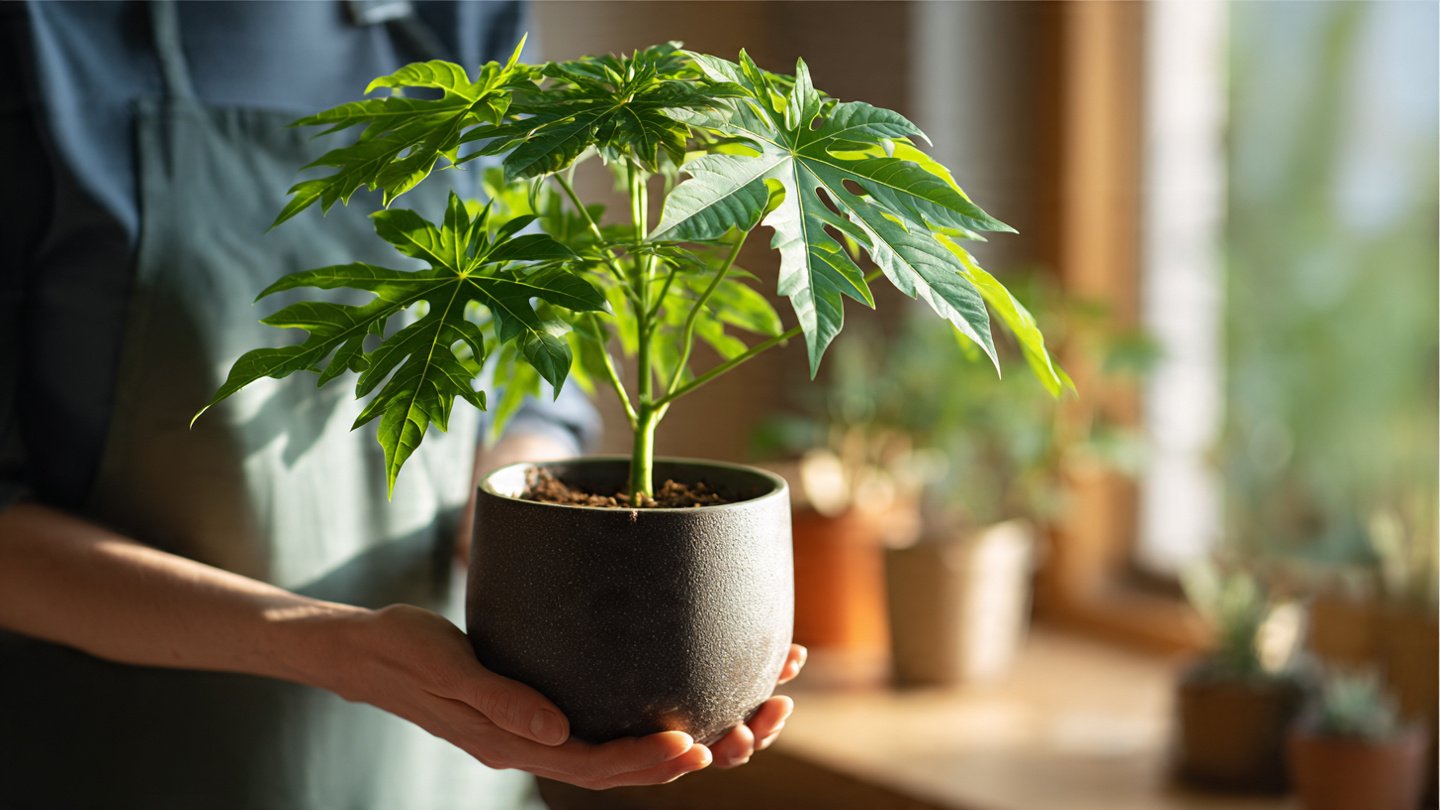
Papaya (Carica papaya) is a tropical fruit tree that is beloved for its sweet, juicy fruit. While traditionally grown in warm climates, it is entirely possible to cultivate papaya indoors, provided the right conditions and care are maintained. This article dives deep into the essential tips you need to ensure your indoor papaya plants thrive and eventually yield delicious fruit.
Understanding the Papaya Plant
1. Overview of Papaya
Papaya is not just a fruit; it is a fast-growing tree that can reach heights of up to 10-15 feet when grown outdoors. Indoors, however, papayas generally stay smaller, making them a suitable choice for container gardening. Papayas produce large, beautiful leaves and sweet fruit that is enjoyed not only fresh but also in smoothies, salads, and desserts.
2. Varieties of Papaya
When considering growing papayas indoors, the dwarf varieties like the ‘Super Dwarf’ papaya are ideal. These plants can be maintained at a more manageable height (around 3-4 feet), making them perfect for indoor conditions.
Preparing for Papaya Cultivation
1. Container Selection
The first step in successful indoor papaya cultivation is selecting the right container. You need a pot that is:
- At least 5 gallons in size: Papayas need substantial soil depth for their roots.
- Well-drained: Look for pots with drainage holes to avoid waterlogging.
- Lightweight: Since it’s indoor gardening, you might want to move the pot as needed.

2. Soil Requirements
Papayas thrive in well-draining, nutrient-rich soil. Consider using:
- Potting mix: A commercial mix containing organic matter.
- Coconut coir or perlite: These add aeration and help retain moisture.
Mix in some well-aged compost or organic fertilizers to enrich the soil. This ensures that your papaya plant gets essential nutrients.
3. Light Considerations
Papayas are sun-lovers. It’s crucial to place your indoor papaya plant in a spot that receives:
- At least 6-8 hours of direct sunlight daily.
- Alternatively, you may use grow lights if natural sunlight is insufficient. LED grow lights can provide a full spectrum, similar to sunlight.
4. Temperature and Humidity
Papayas prefer warm and humid conditions. Here’s what you need to consider:
-
Optimal temperature: Maintain temperatures between 70°F (21°C) and 90°F (32°C). Sudden temperature drops below 50°F (10°C) can be detrimental.
-
Humidity: Papayas enjoy humidity levels between 60-80%. Use a humidifier or pebble trays with water to increase humidity if necessary.

Caring for Your Indoor Papaya
1. Watering
Proper watering is crucial for indoor papaya health:
- Regular but moderate watering: Ensure the soil is consistently moist but not soggy.
- Check soil moisture: Stick your finger into the soil up to 2 inches deep; if it feels dry, it’s time to water.
2. Fertilization
To promote healthy growth and fruit production, fertilize your papaya:
- Frequency: Use a balanced fertilizer every 4-6 weeks during the growing season (spring and summer).
- Type of fertilizer: A water-soluble fertilizer high in potassium and nitrogen will help support strong leaf and fruit development.
3. Pruning

Although papayas grow quickly, they can be pruned to manage their size and shape:
- Remove dead or damaged leaves: This improves air circulation and reduces disease risk.
- Trim excess growth: If your papaya plant gets too tall, cutting it back significantly can help maintain a suitable size.
4. Pollination
Papayas can be male, female, or hermaphroditic, with hermaphroditic trees being the most likely to produce fruit. Here’s how to handle pollination:
- Hand-pollination: If you notice that your female flowers are not setting fruit, you can employ hand-pollination. Use a small brush or cotton swab to transfer pollen from the male to the female flowers.
5. Pest and Disease Management
Indoor plants are not immune to pests and diseases. Common issues include:
- Aphids and spider mites: Check for discoloration or webbing on leaves. Use insecticidal soap or neem oil for control.
- Root rot: Ensure proper soil drainage and avoid overwatering.
- Fungal infections: Rotate crops and ensure good air circulation around your plant.
Harvesting Papayas

1. Maturity Indicators
Harvesting papayas can be one of the most rewarding experiences:
- Color change: Papayas are ready to be harvested when they turn from green to a yellow-orange color.
- Slight softness: The fruit should yield slightly to gentle pressure.
2. Harvesting Technique
To harvest papayas:
- Use sharp, clean scissors or a knife to cut the fruit from the plant.
- Leave a small section of stem attached to the fruit to prevent damage.
Common Challenges in Indoor Papaya Cultivation
1. Space Limitations
While growing papayas indoors is feasible, managing their size can be a challenge:
- Consider using dwarf varieties.
- Regularly prune the plant to prevent overcrowding.
2. Nutrient Deficiencies
Indoor plants may experience nutrient deficiencies over time:
- Watch for yellowing leaves (indicating nitrogen deficiency) or leaf drop (suggesting potassium or phosphorus issues).
- Adjust your fertilization schedule and experiment with different fertilizing formulas as needed.
3. Environmental Factors
The indoor environment can fluctuate:
- Monitor temperature and humidity. Conditions too dry or too cool can stress the plant.
- Move your papaya closer to sunlight or use grow lights as seasons change.
Final Thoughts
Caring for an indoor papaya plant may seem daunting, but with the right preparations and ongoing care, these tropical trees can thrive in your home. Remember to provide plenty of light, maintain optimal temperature and humidity, and monitor for pests and diseases. With patience and diligent care, you’ll be rewarded not only with vibrant foliage but also the delicious fruit of your labor.
Papayas are not just beautiful additions to your indoor garden; they are a testament to your gardening skills and dedication. So roll up your sleeves and enjoy the rewarding journey of cultivating this delightful fruit tree indoors!