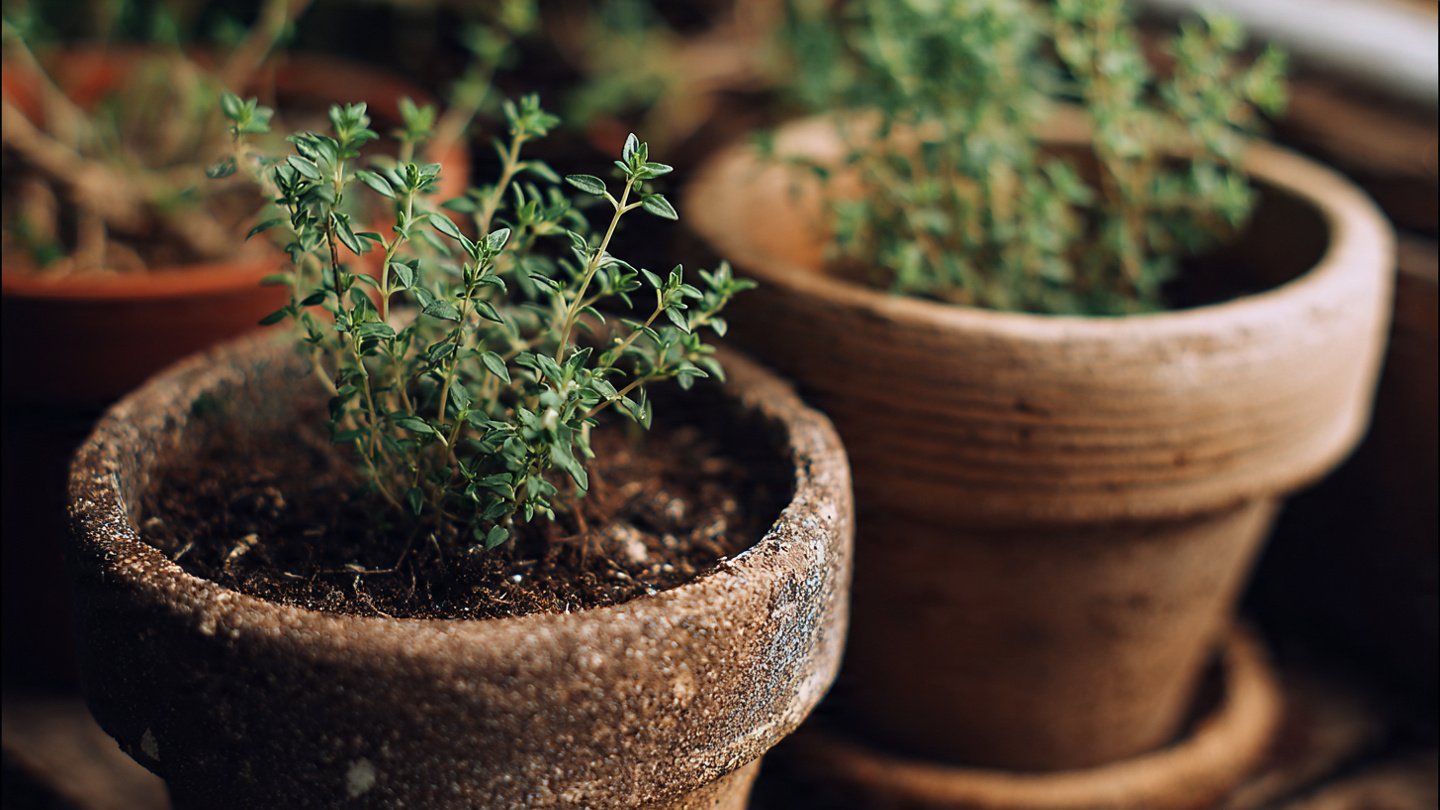
Thyme is a versatile and aromatic herb that is a favorite in many kitchens and gardens. Known for its fragrant leaves and culinary uses, thyme also offers medicinal benefits and attracts pollinators. Propagating thyme in pots is an excellent way to enjoy fresh herbs year-round, especially if you have limited outdoor space. Whether you are a seasoned gardener or a beginner, learning how to propagate thyme in pots will ensure a thriving indoor garden. In this article, we will cover the best methods, tips, and care instructions to help you grow thyme successfully indoors.
Why Grow Thyme Indoors?
Growing thyme indoors presents several advantages:
- Year-round Availability: Fresh thyme is available regardless of the season, perfect for cooking and herbal remedies.
- Control Over Environment: Indoor gardening allows you to control light, temperature, and humidity, promoting optimal growth.
- Space Saving: Ideal for apartment dwellers and those without outdoor gardens.
- Pest Management: Indoor conditions reduce the risk of pests and diseases.
- Aromatic and Decorative: Thyme plants add fragrance and greenery, enhancing indoor aesthetics.
Choosing the Right Thyme Variety for Indoor Growth
There are many thyme varieties, but some are better suited for indoor pot cultivation:
- Common Thyme (Thymus vulgaris): Versatile with a strong flavor.
- Lemon Thyme (Thymus citriodorus): Offers a citrusy aroma.
- Creeping Thyme (Thymus serpyllum): A low-growing variety, great for containers.
- French Thyme (Thymus vulgaris ‘French’): Slightly milder flavor and compact growth.
Choose a variety based on your flavor preferences and indoor space.

How to Propagate Thyme in Pots
Propagation is the process of creating new plants from existing ones. Thyme can be propagated through seeds, cuttings, layering, or division. For indoor gardeners, stem cuttings and seeds are the most practical methods.
1. Propagation from Seeds
Propagating thyme from seeds requires patience but is rewarding.
Materials Needed:
- Thyme seeds
- Seed-starting tray or small pots
- Seed-starting soil mix (light and well-draining)
- Plastic wrap or humidity dome
- Water spray bottle
Steps:
- Fill the Tray or Pots: Use a seed-starting soil mix that drains well.
- Sow the Seeds: Scatter seeds thinly on the soil surface and lightly cover them with a thin layer of soil or vermiculite (about 1/8 inch).
- Water Gently: Use a spray bottle to moisten the soil without washing away seeds.
- Create Humidity: Cover the tray or pots with plastic wrap or a humidity dome to retain moisture.
- Place in Warm Light: Thyme seeds germinate best at 65-70°F with bright, indirect light.
- Keep Soil Moist: Check daily and mist as needed to keep soil slightly moist.
- Germination Time: Expect seeds to sprout within 1-2 weeks.
- Thin Seedlings: When seedlings have two sets of true leaves, thin them to prevent overcrowding.
- Transplant: Once seedlings have a few inches of growth and strong roots, transplant them into individual pots.

2. Propagation from Cuttings
Propagating thyme from cuttings is faster and guarantees a clone of the parent plant.
Materials Needed:
- Healthy mature thyme plant
- Clean, sharp scissors or pruning shears
- Small pots with well-draining potting soil or a mixture of peat and perlite
- Rooting hormone (optional)
- Clear plastic bag or humidity dome
Steps:
- Select a Healthy Stem: Choose a non-flowering stem about 4 inches long.
- Cut the Stem: Cut just below a leaf node (where leaves attach to the stem).
- Remove Lower Leaves: Strip leaves off the lower half of the cutting.
- Apply Rooting Hormone (Optional): Dip the cut end in rooting hormone powder or gel to speed root development.
- Plant the Cutting: Insert the cut end into moist soil.
- Create Humidity: Cover the pot with a clear plastic bag or humidity dome to retain moisture.
- Place in Indirect Light: Avoid direct sunlight to prevent stress.
- Keep Soil Moist: Mist periodically to keep the soil damp.
- Root Development: Roots typically form within 3-4 weeks.
- Transplant: Once roots are well established, transplant the cutting into a larger pot.

Ideal Pots and Soil for Thyme Propagation
Choosing the right pot and soil is critical to thyme’s health and growth.
- Pots: Use pots with drainage holes to prevent waterlogging, which causes root rot. Terracotta pots are ideal because they allow soil to dry out quickly.
- Size: Start with small pots for seedlings or cuttings and use larger ones as plants grow.
- Soil: Thyme prefers light, well-draining soil. A mix of standard potting soil with sand or perlite is excellent for drainage. Avoid heavy, clayey soils.
Light Requirements for Growing Thyme Indoors
Thyme requires plenty of light for healthy growth:
- Natural Light: Place thyme near a south-facing window where it can receive 6-8 hours of direct sunlight.
- Artificial Light: If natural light is inadequate, use a grow light. Fluorescent or LED grow lights with a light spectrum suitable for herbs will encourage growth.
- Rotate the Pot: Turn the pot regularly to ensure even light distribution and prevent uneven growth.
Watering Thyme in Pots
Watering thyme correctly is key to preventing root rot and encouraging robust growth.

- Thyme prefers dry to slightly moist soil.
- Water thoroughly when the top inch of soil feels dry.
- Avoid waterlogging; ensure excess water drains out.
- Reduce watering frequency in winter when growth slows down.
Temperature and Humidity
- Thyme thrives in temperatures between 60-75°F.
- It prefers low to moderate humidity. Avoid overly humid conditions that can promote fungal diseases.
- Good air circulation helps reduce humidity around the plant.
Fertilizing Thyme
- Thyme is not a heavy feeder.
- Use a balanced, water-soluble fertilizer diluted to half strength once a month during the growing season.
- Avoid excessive fertilizing, which can reduce the herb’s flavor intensity.
Pruning and Harvesting Thyme
- Regular pruning encourages bushy growth and prevents legginess.
- Harvest thyme by trimming stems just above a leaf set.
- Avoid removing more than one-third of the plant at a time.
- Fresh thyme can be used immediately, or dried for later use.

Common Problems and Solutions
- Leggy Growth: Often caused by insufficient light. Increase light exposure.
- Root Rot: Results from overwatering or poor drainage. Ensure pots have drainage holes and water properly.
- Pests: Indoor thyme can attract spider mites or aphids. Use insecticidal soap or neem oil to treat infestations.
- Yellow Leaves: Could indicate overwatering or nutrient deficiency. Adjust watering and consider fertilizing.
Benefits of Growing Thyme Indoors
- Fresh herbs at your fingertips enhance your cooking.
- Thyme helps purify indoor air.
- It’s a natural insect repellent.
- Enhances home aesthetics with its greenery and fragrance.
Conclusion
Propagating thyme in pots is an enjoyable and rewarding way to cultivate fresh herbs inside your home. Whether you choose to grow thyme from seeds or cuttings, understanding the proper techniques and care requirements will lead to a thriving indoor garden. With the right light, soil, watering routine, and attention to pruning, your thyme plants will flourish and provide delightful aroma and flavor throughout the year. Start your indoor thyme garden today and experience the joy of fresh, homegrown herbs!
If you’d like, I can also provide a quick guide or checklist to summarize the essential steps for propagating thyme indoors. Would that be helpful?